SU, Yu-Hsin
SU, Yu-Hsin is a Taiwanese artist and filmmaker currently living between Berlin and Taipei. Her research-oriented artistic practice begins with the close relationship between technology and ecology. Combining fieldwork and interdisciplinary collaboration, she develops hydropoetic and analytical narratives that examine water as both a carrier of environmental history and a contested medium in our technonatural present.
Su received the Diploma from the Academy of Fine Arts Leipzig and was awarded the 26th German Federal Art Student Prize. Her works have been exhibited at museums and biennials around the world, including the Bundeskunsthalle in Bonn, Centre Pompidou-Metz, the Museum of Contemporary Art Busan, Taipei Biennial 2020 and Taipei Biennial 2023, ZKM | Center for Art and Media Karlsruhe, UCCA Center for Contemporary Art, and Haus der Kulturen der Welt in Berlin. Her short films have also been shortlisted for the Hamburg Short Film Festival, Taiwan International Documentary Festival, and EXiS Seoul International Experimental Film and Video Festival, among others.
- Location USA / Los Angeles
- Year of the Grant 2024
- Residency 18th Street Arts Center
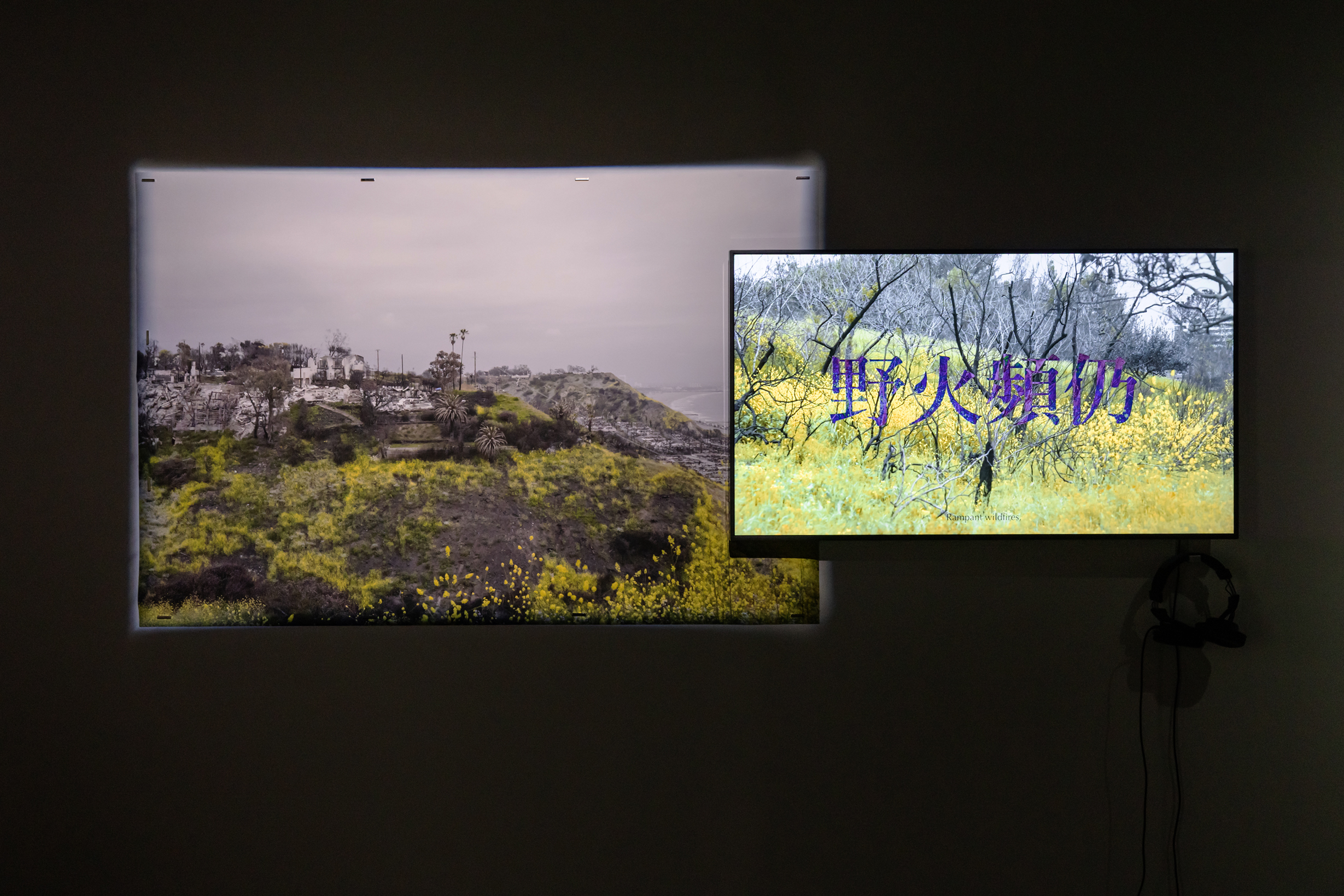
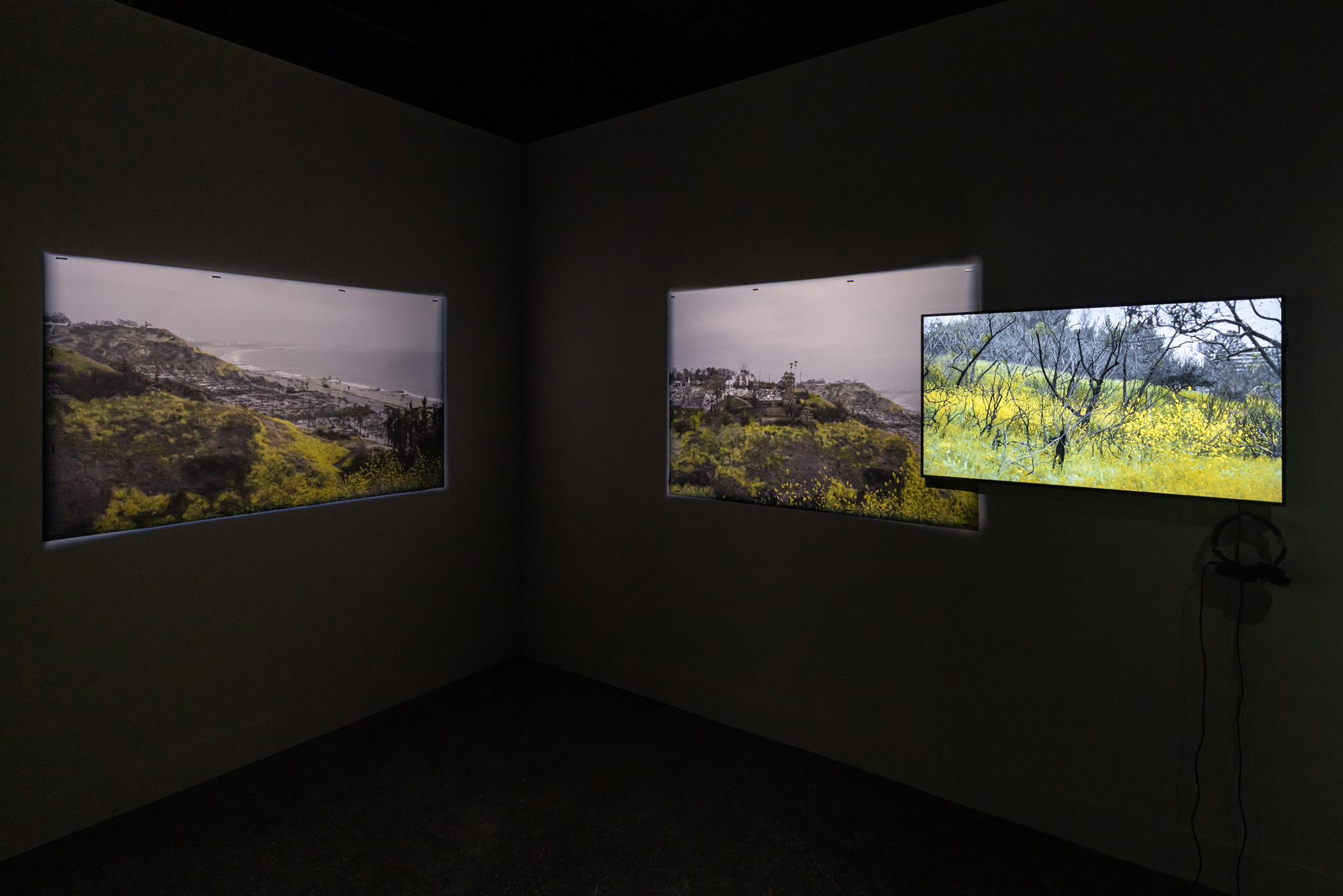
- Work Parable of the Black Mustard
- Personal Website SU, Yu-Hsin's Personal Website
My impression of Southern California: gorgeous sunsets, the blue hour at dusk, the orange and pink hues on the horizon, and the shadows cast by swaying palm trees.
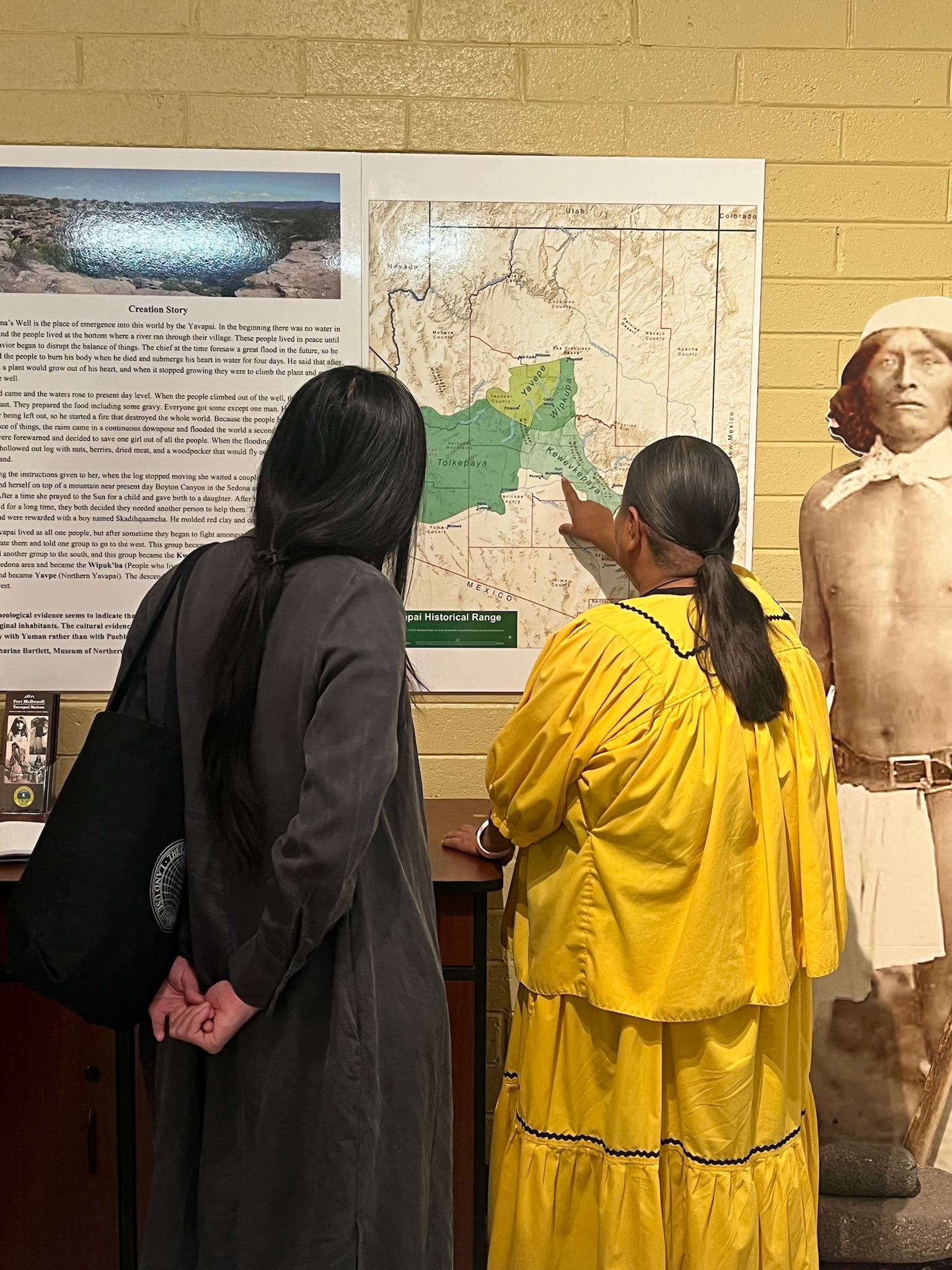
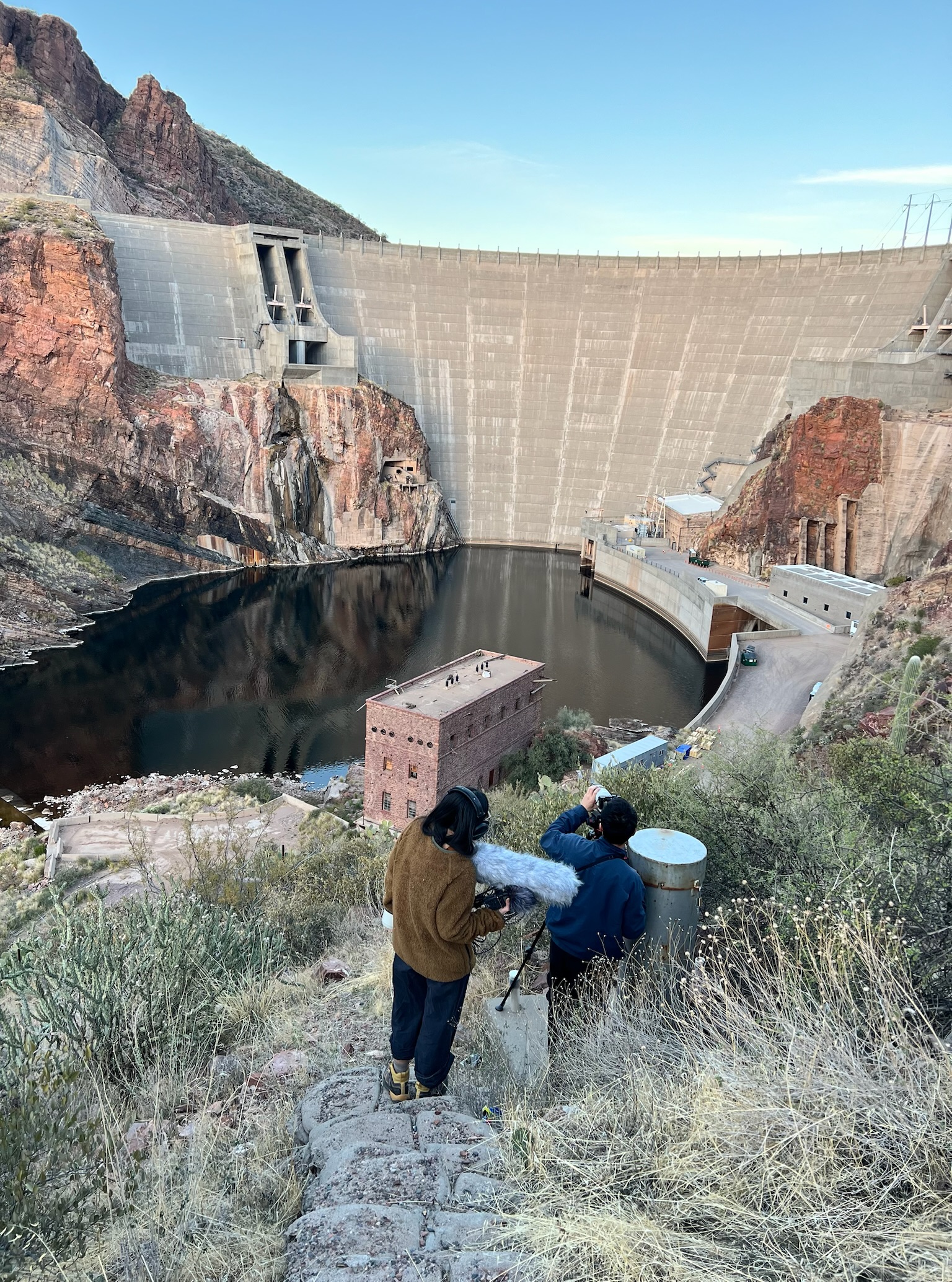
I made my short film "Where Clouds Once Formed" in Arizona and California during my residency at the 18th Street Arts Center. Every day, my film team captured reflections of the sky upon the waterways in the desert between sunset and the blue hour. For me, the development of water infrastructure in Southern California and Arizona was an intriguing topic. I wanted to examine how settlers engineered the flow of rivers and bent the river to irrigate the desert during the westward movement. In this way, the desert land became profitable.
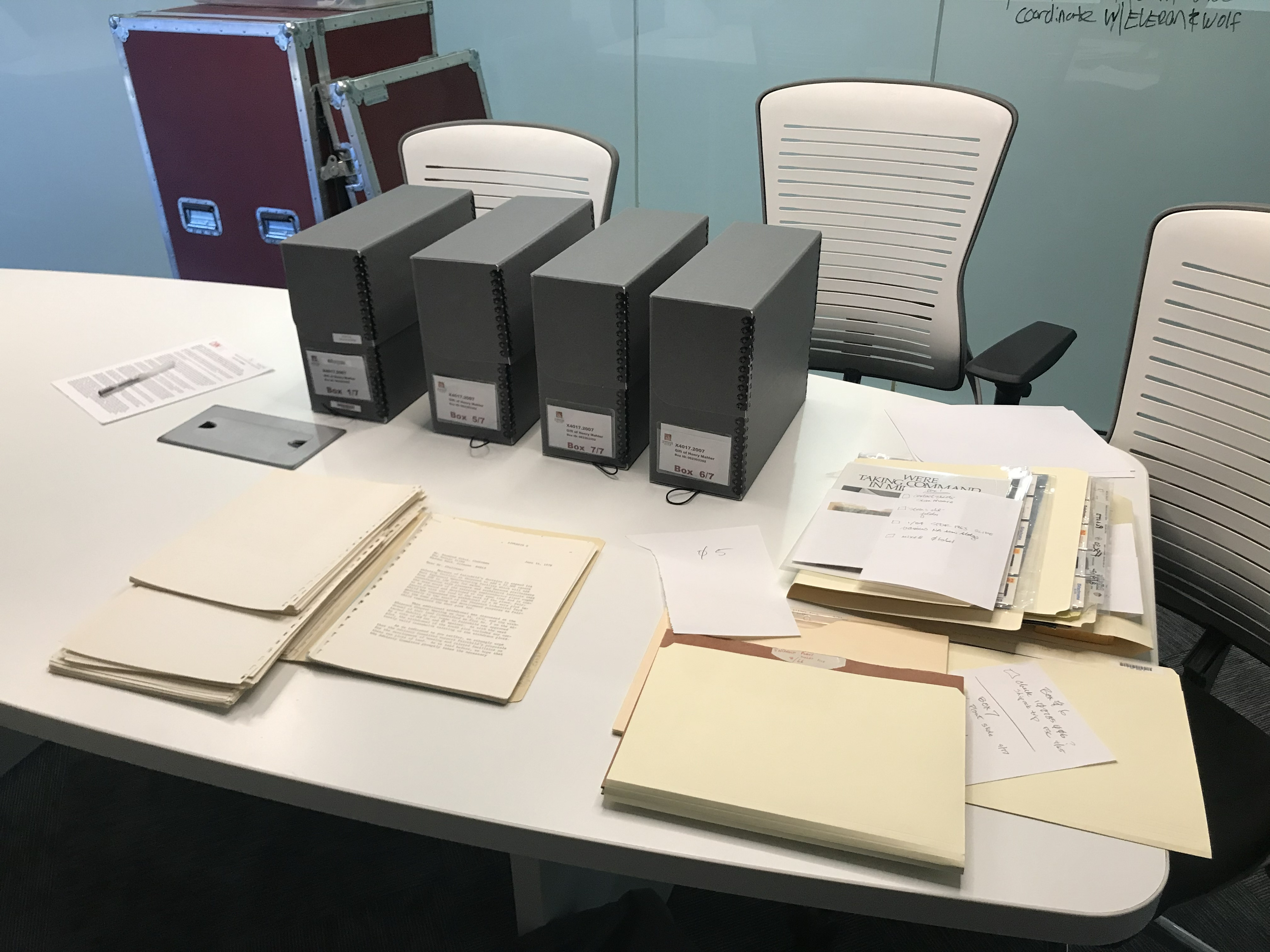
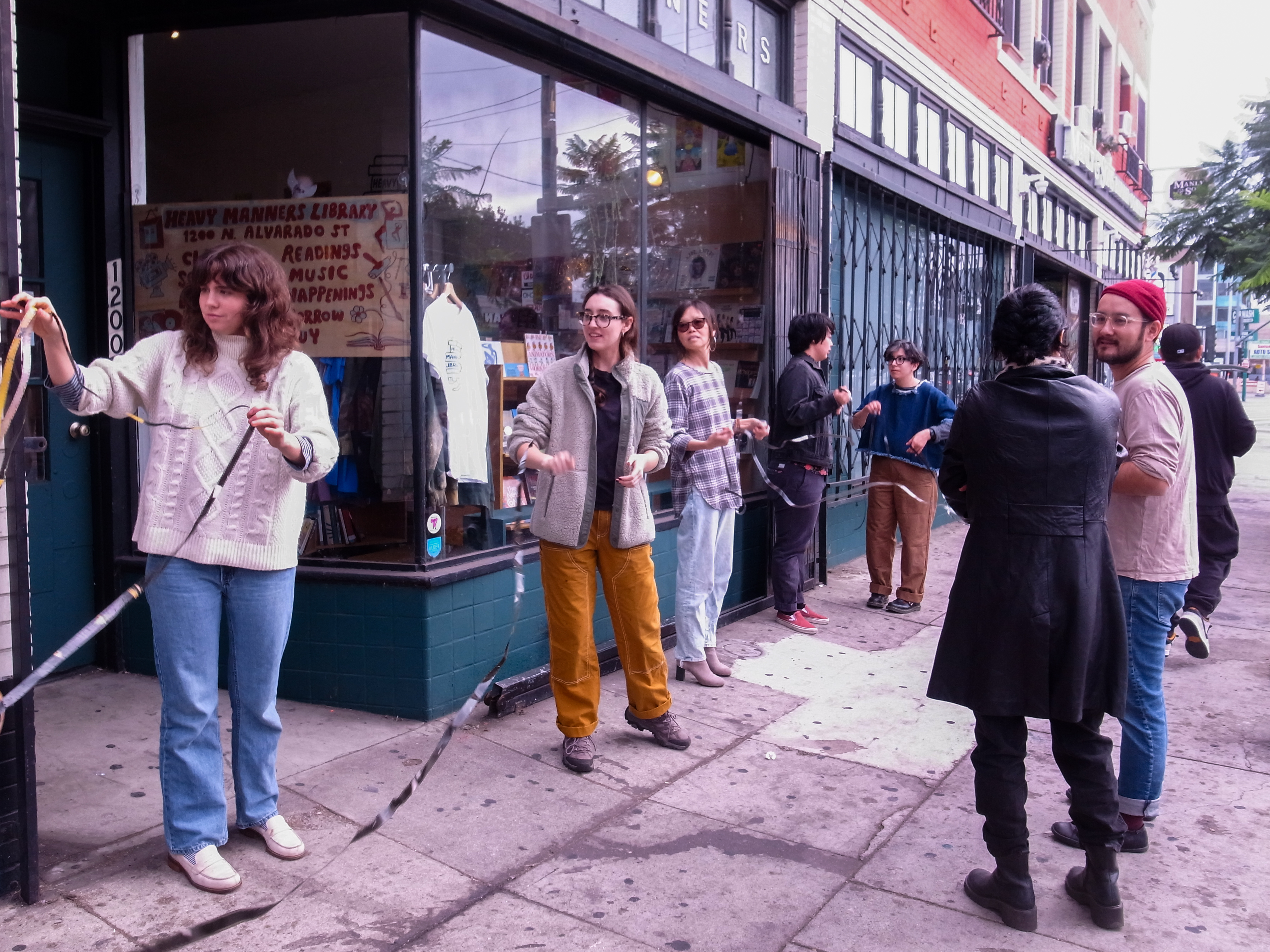
The 18th Street Arts Center is not far from the University of California at Los Angeles (UCLA) and University of Southern California (USC). I was able to attend the Archive Bazaar held at USC every October during my stay. The Bazaar hosted over sixty stalls and exhibitors where attendees could consult and exchange contact details with archivists. Amongst those, the Center for Land Use Interpretation, a non-profit research and education organization, was particularly relevant for my research. The Billy Wilder Theater at UCLA organized free screenings with their valuable film collections. I enjoyed their film program and was grateful for these public endeavors.
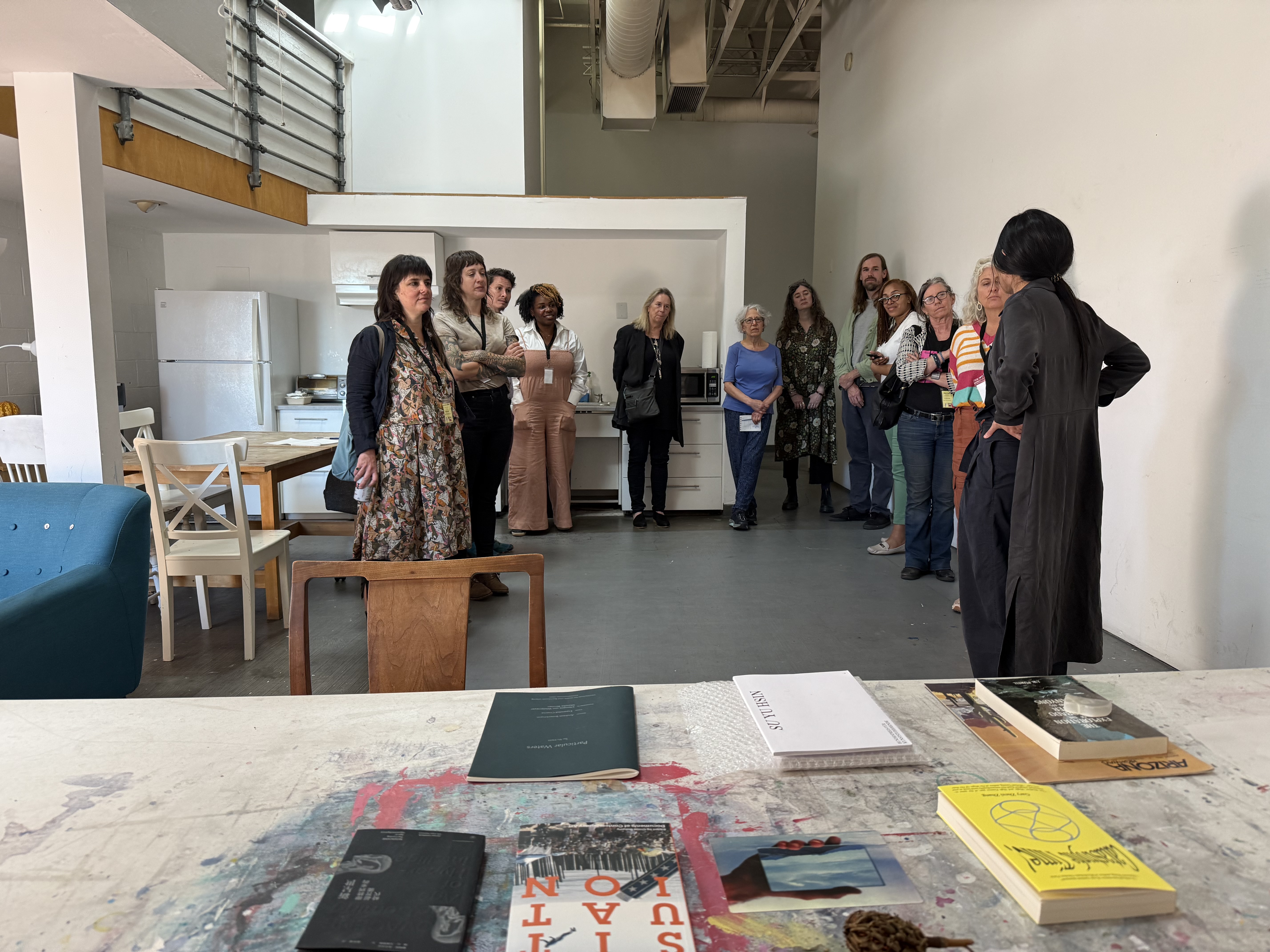
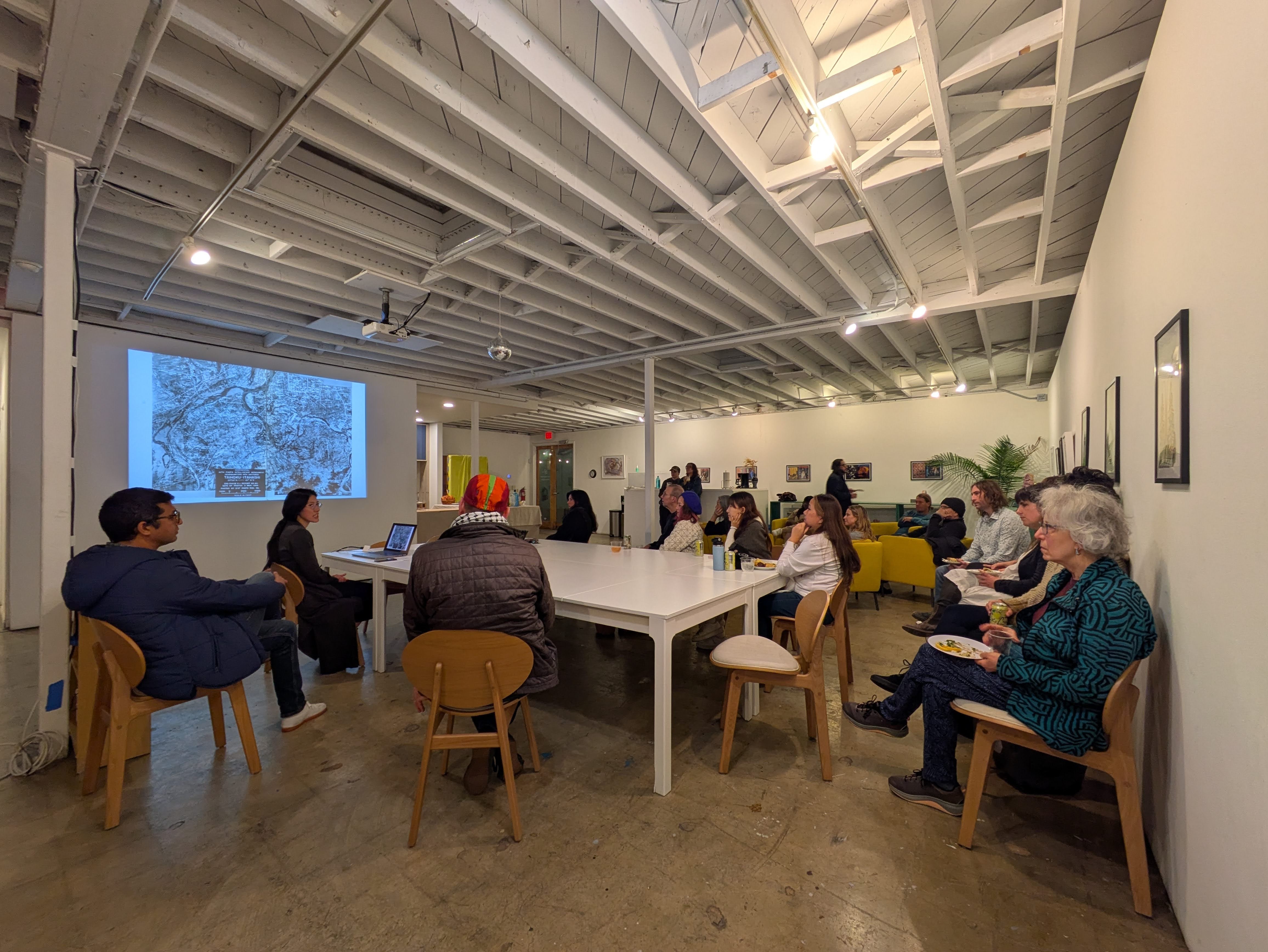
During my time at the Arts Center, I had two open studios and three artist talks, where I exchanged with local artists and curators. One of the artists I met was Anne Krinsky from London, who is also a resident artist at the Arts Center. We shared similar interests in ecofeminism and ways to examine the current climate crisis from the perspective of water and rivers. We visited LA-based artist Lauren Bon's studio together and were impressed by how she supported and engaged with local communities through her environmental art projects. Especially in her project "Bending the River Back to the City", Lauren was able to secure legal water permits from more than twenty federal, state, and city agencies after years of negotiation. She diverted a small amount of water from the Los Angeles River to a well at her art studio. The water is filtered and purified before being redirected to the Los Angeles State Historic Park. This project not only offsets the carbon emissions generated by transporting water to irrigate the park, but also treats and recycles wastewater that would otherwise be discharged into the ocean.
Lauren's "Bending the River Back to the City" project may seem like a "small" intervention for the fifty-one-mile-long Los Angeles River. Yet through an environmental engineering project that reintroduces meanders into the river, she invites the public to imagine the possibility of liberating the Los Angeles River from its concrete channel. During her open studio, Lauren also spoke of her artistic practice as an act of repair rather than one of erecting monuments in nature. In contrast to the Land Art movement of the 1960s and 1970s, her combination of environmental engineering and social engagement is particularly remarkable in today's United States, where institutional dysfunction and a lack of social capital often impede collective action. Her work also powerfully reflects contemporary critical perspectives on historical patterns of land use and the exploitation of natural resources.
Although my residency coincided with the deeply divisive U.S. presidential election, I was grateful for the opportunity to meet artists, environmental activists, and researchers across Southern California. Encountering these grassroots networks of mutual aid and local organizing profoundly shaped my understanding of socially engaged artistic practice and provided me with invaluable inspiration for my own work.
Author: SU, Yu-Hsin
Edited: Brix