LI, Yi-Hsuan
LI, Yi-Hsuan is a screenwriter, writer, and journalist. She holds a BA in Foreign Languages and Literatures from National Taiwan University and an MA in Screenwriting from London Film School. With experience in interviewing, investigation, reporting, and translation, she is skilled at finding compelling angles on social and psychological issues, opening up spaces for discussion through her creative work. Her novel Meiling's Memory Café was selected for the Taiwan Pavilion at the Frankfurt Book Fair; her screenplay My Hoarding Home won an award at the Wild Grass Project, while The Ghosts Wear Decathlon was nominated for the Excellent Screenplay Award. Her other screenwriting works include the series Super Cat, selected for the 2024 Taipei Golden Horse Film Project Promotion; the animated series Boom Boom Beans, winner of Best Animated Program at the 2025 Golden Bell Awards; and the stage play Do You Want to Eat Meat, or Me?
- Location USA / Santa Fe
- Year of the Grant 2024
- Residency Santa Fe Art Institute (SFAI)
- Work The Perfect Victim
-
Personal Website
LI, Yi-Hsuan's Personal Website (1)
LI, Yi-Hsuan's Personal Website (2)
[Creative Fields and Creative Process]
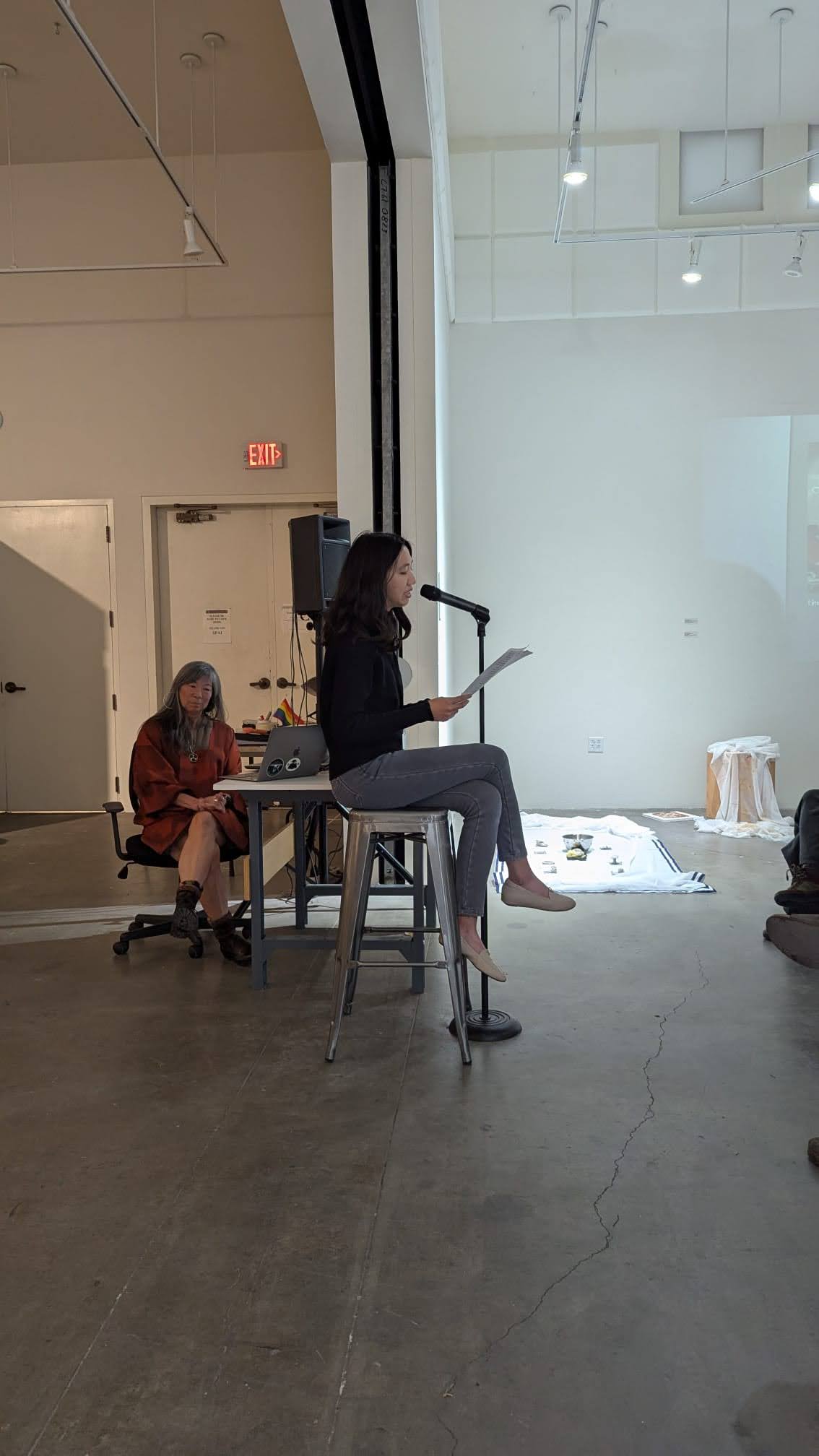
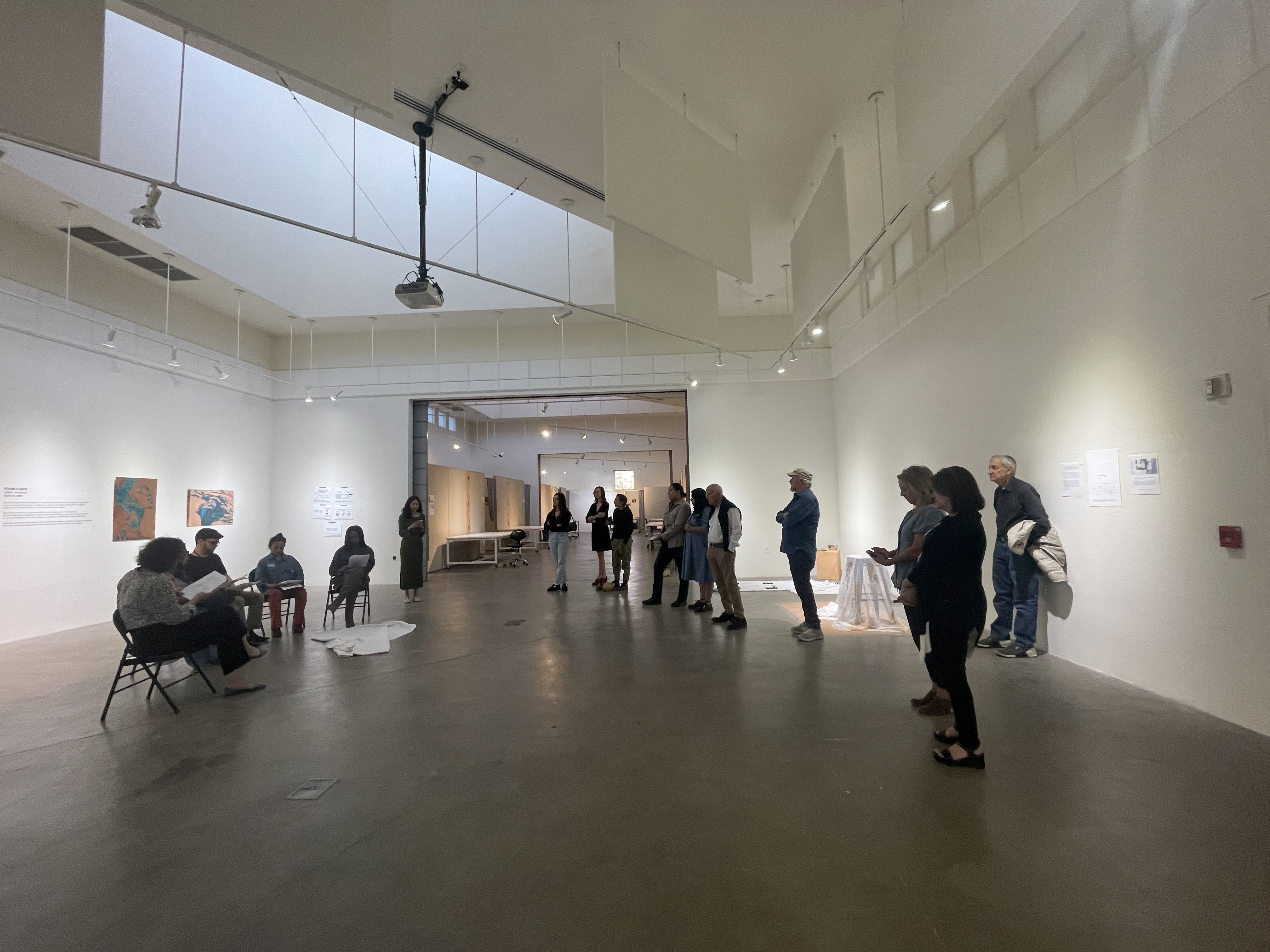
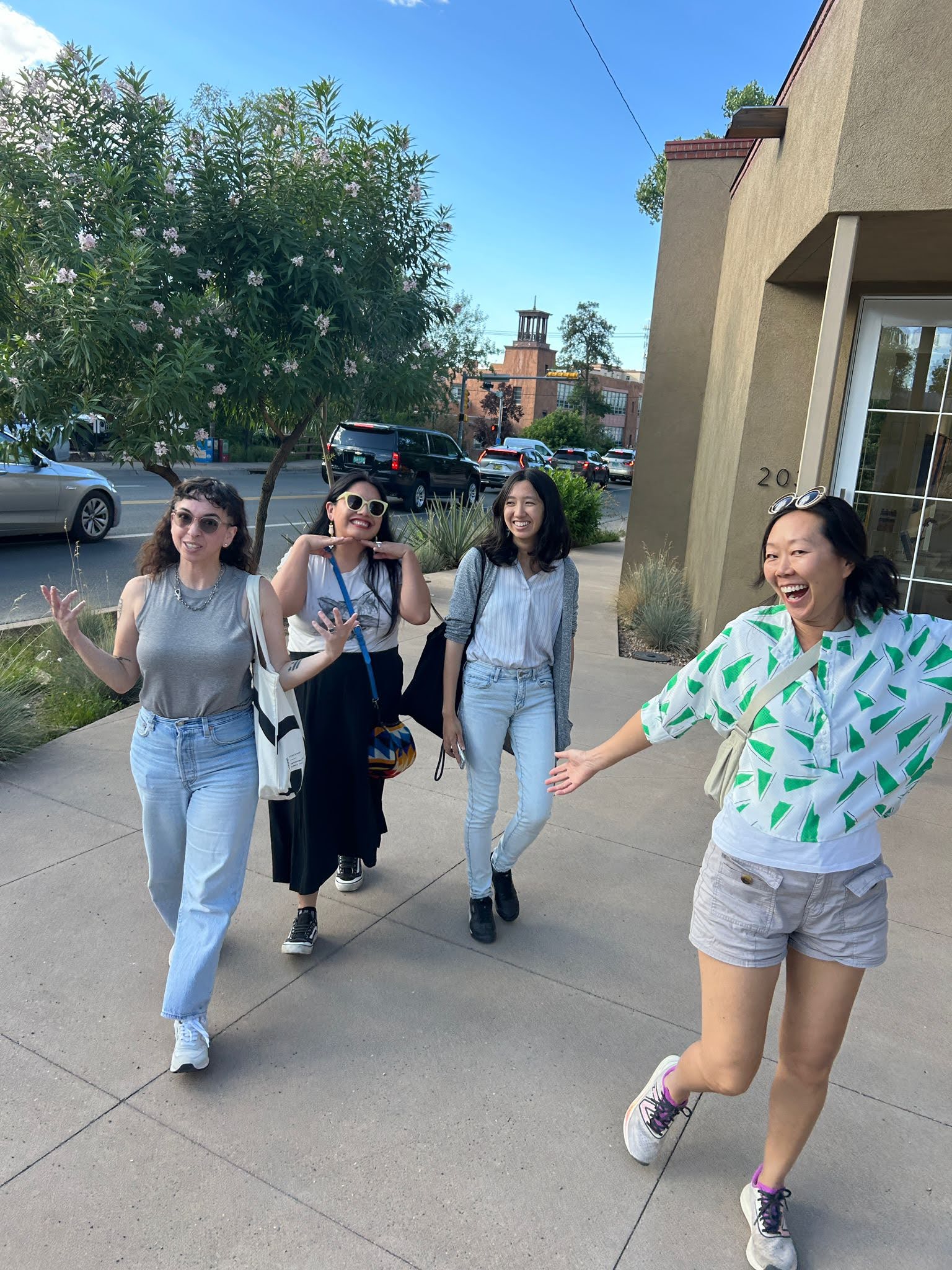
In response to the 2024 Santa Fe Art Institute (SFAI) residency theme, "Sovereignty," I developed an experimental theater project exploring global instability and social media polarization. During the residency, I interviewed fellow resident artists and completed a short play centered on history, trauma, and war. A staged reading of the work was later presented, creating space for dialogue on geopolitics, collective memory, and Taiwan's current situation.
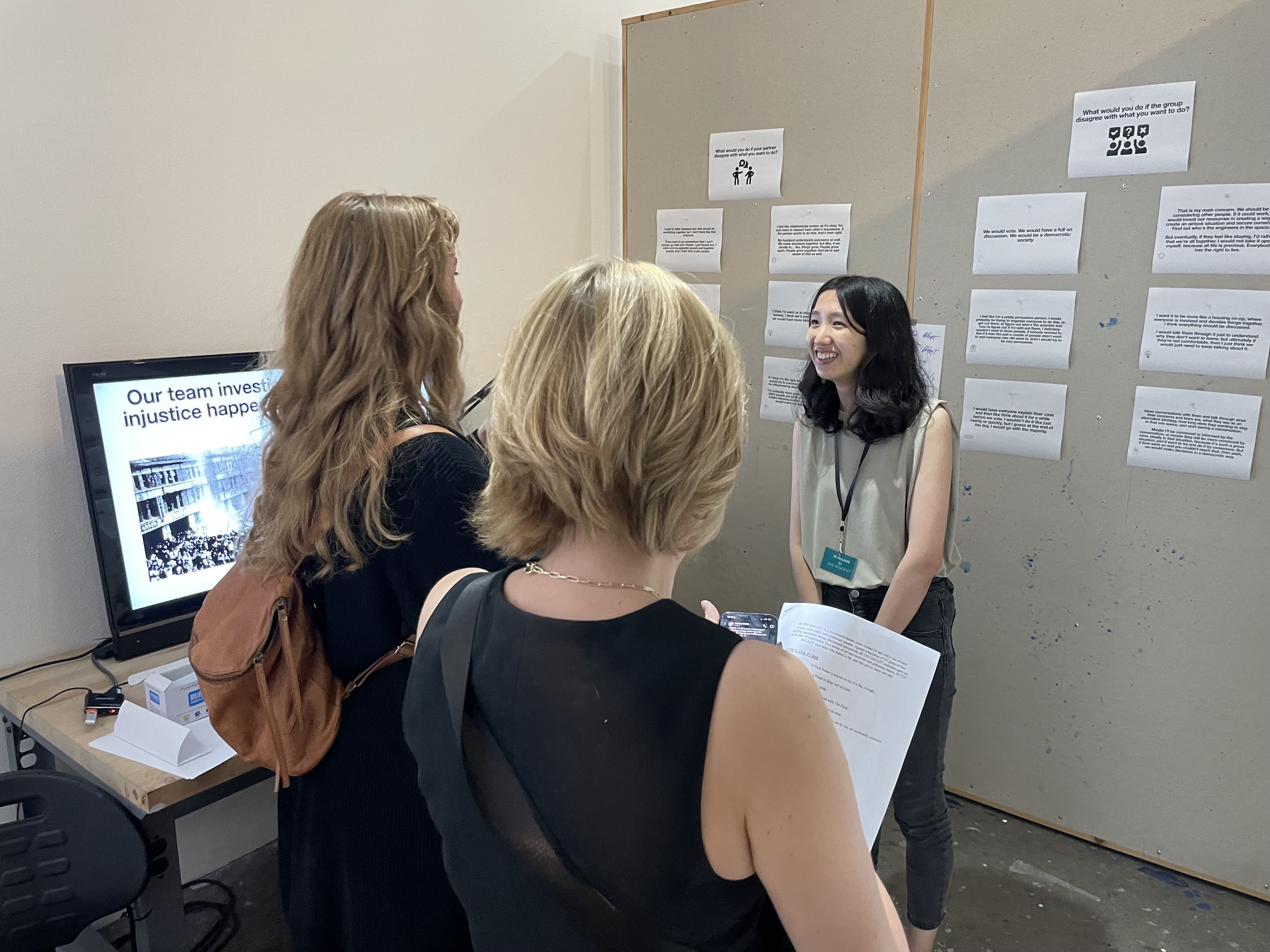
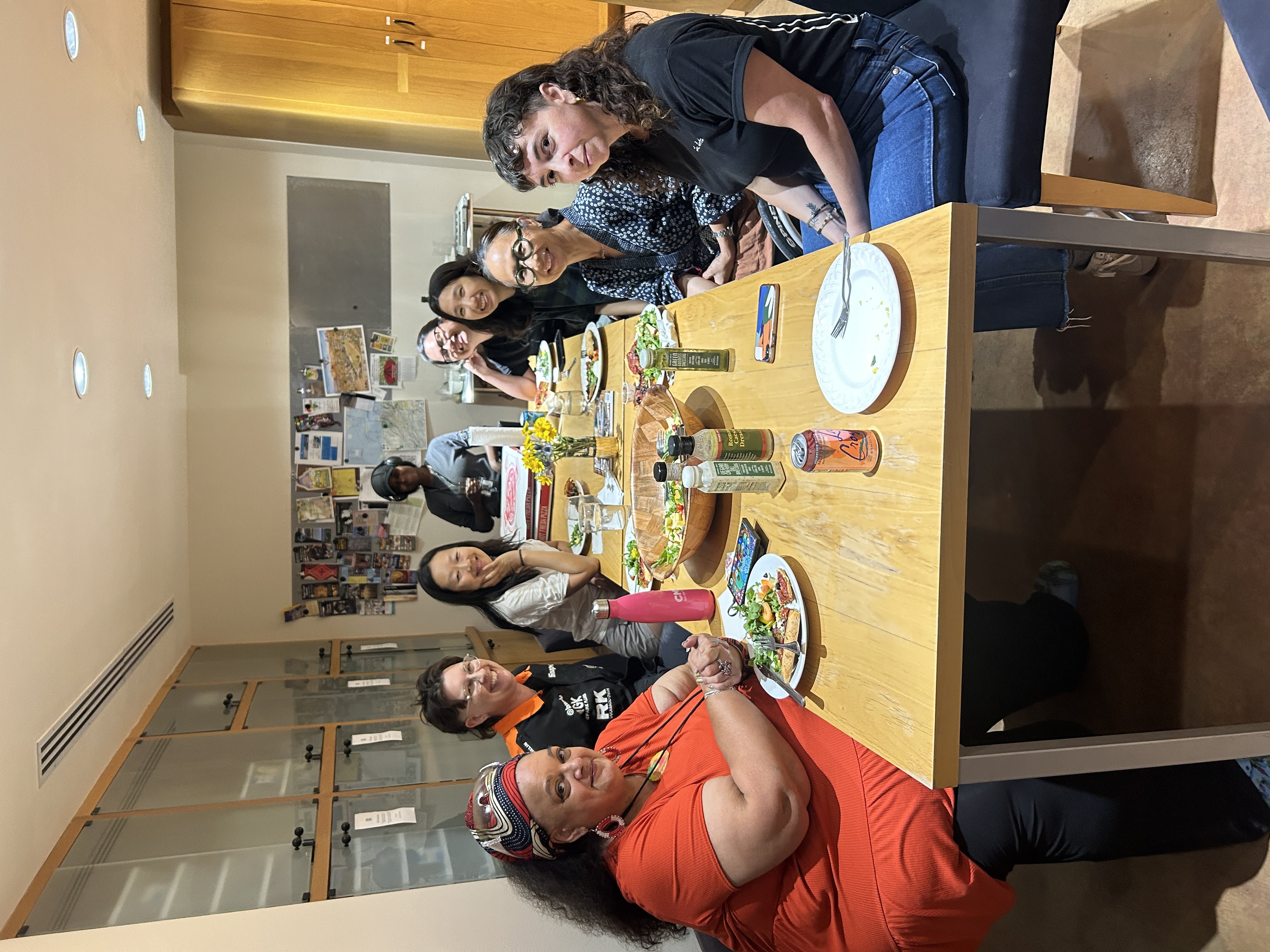
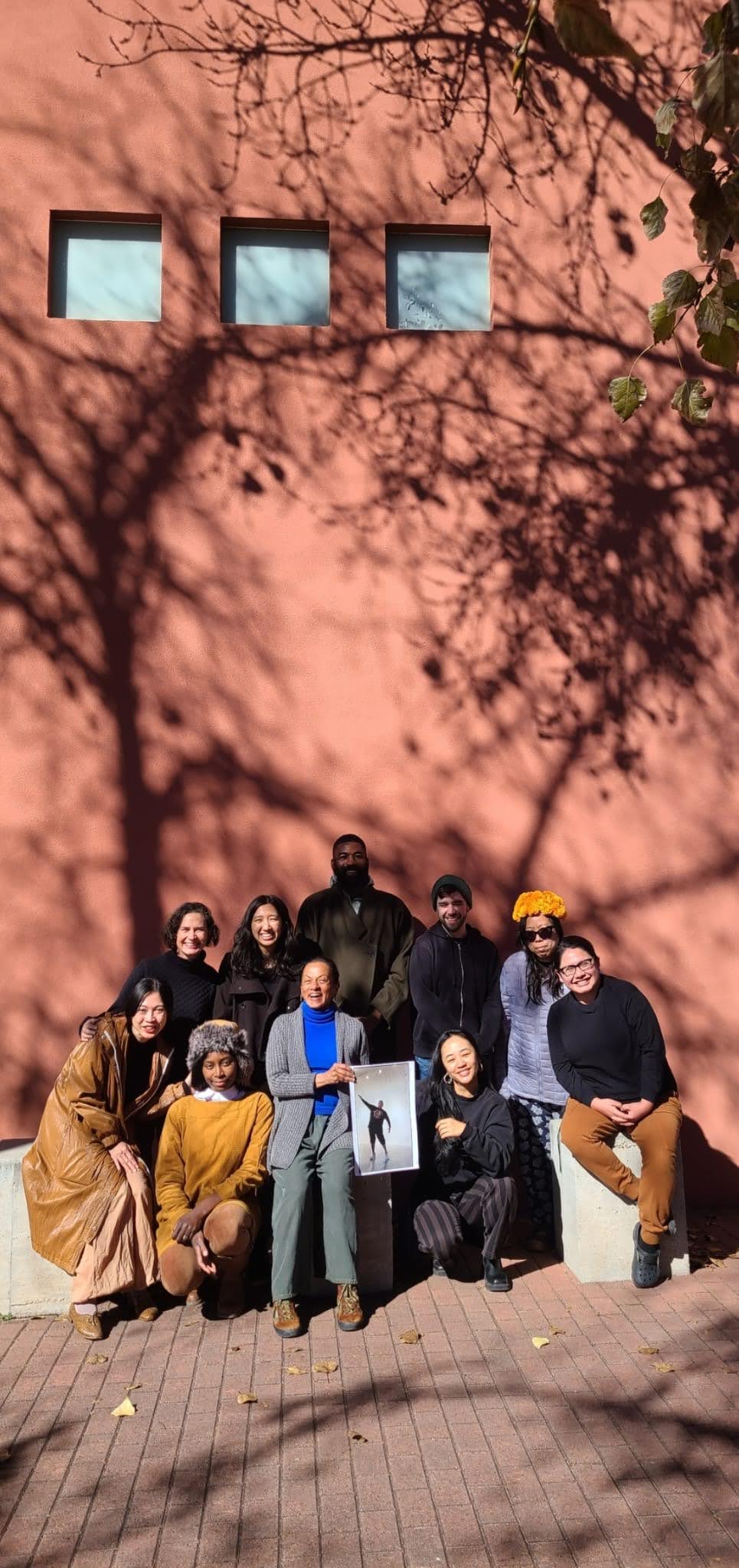
The residency brought together artists from a wide range of cultural and artistic backgrounds. Our conversations covered topics such as nuclear and biological weapons, political conflict, and the social impact of natural disasters. As part of the open studio presentation, I invited resident artists and staff to participate in the staged reading. A Q&A wall was also installed in the studio to encourage feedback and discussion among visitors.
During my stay, I was particularly inspired by a talk on sovereignty and land acknowledgement given by Native American scholar Gregorio Gonzales. The talk inspired a new novel exploring the relationship between trauma and writing, as well as a series of essays later published in the supplementary section of the United Daily News in Taiwan.
The residency program also provided valuable opportunities to engage with local artists. I visited the theater company Exodus Ensemble, attended the Santa Fe International Film Festival, and met with Hsu-Ling Chiu (Sophia Chiu), Director of Taiwan Academy in Houston. Through these experiences, I gained deeper insight into the arts, publishing, theater, and film industries in the United States.
[Overall Evaluation of the Program]
1. General surroundings: The residency facilities were well-equipped. The studios and exhibition spaces were flexible and supported different forms of creative work. During the three-month residency, I was also able to experience the seasonal changes of New Mexico and observe local wildlife, including prairie dogs.
2. Cultural exploration: There are many museums and galleries in and around Santa Fe. Particularly noteworthy are the Museum of Indian Arts & Culture and the Canyon Road arts district, which is known for its concentration of galleries and exhibition spaces. I would recommend purchasing a New Mexico Culture Pass for convenient access to major museums throughout the state.
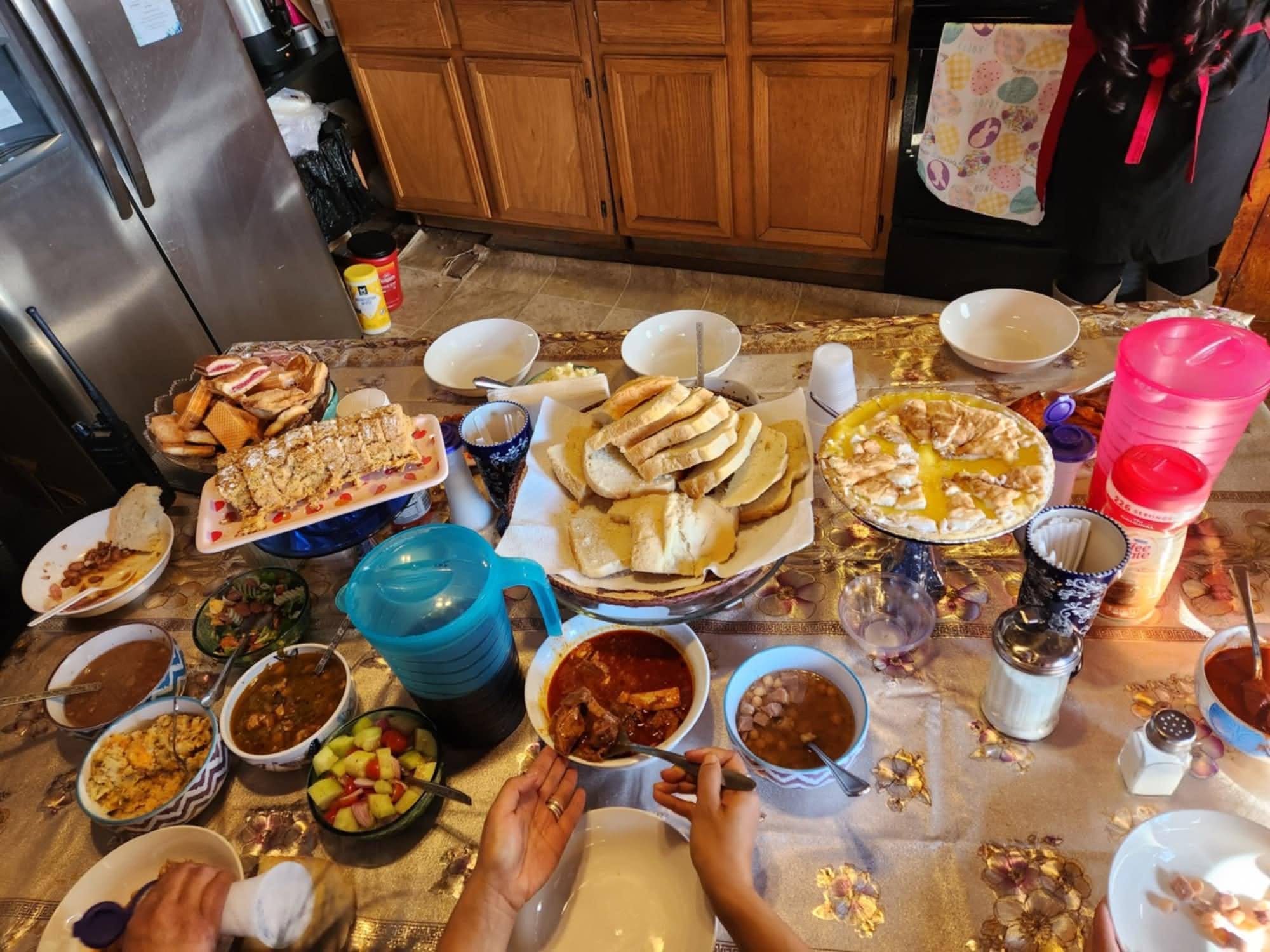
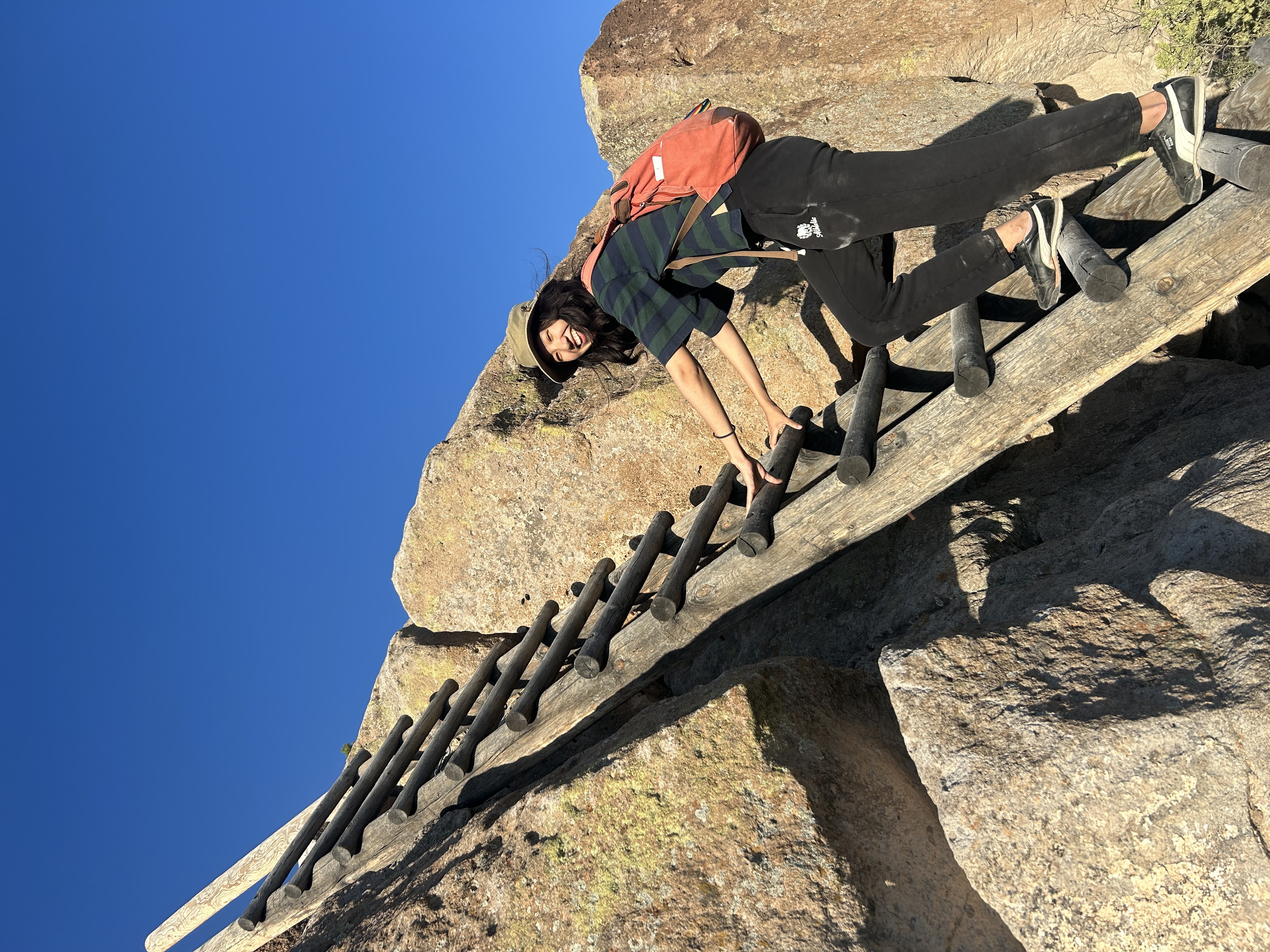
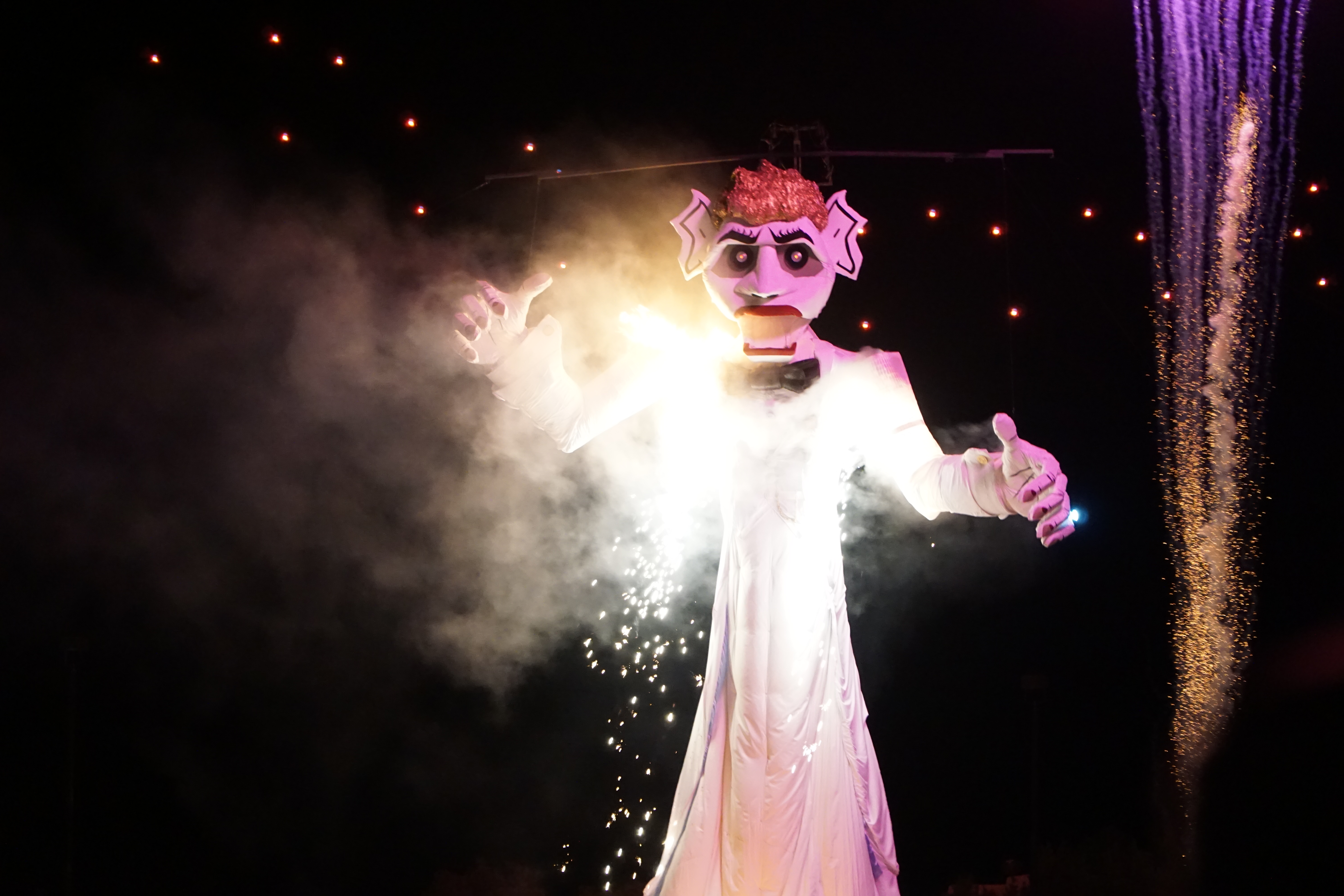
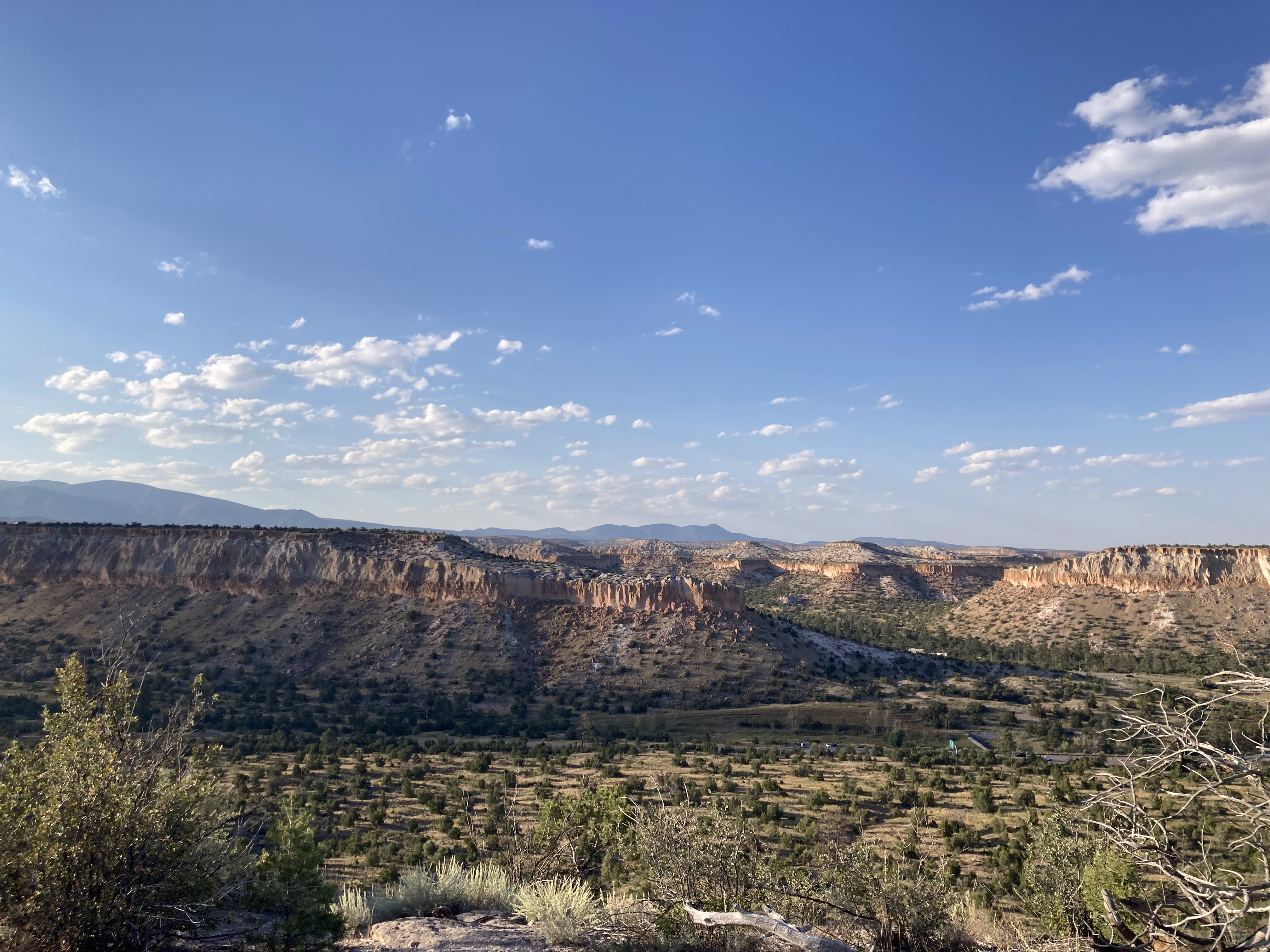
3. Historic sites and festivals: New Mexico's colonial history and landscape provide a compelling setting for artistic research. Notable sites include the cave dwellings at Bandelier National Monument, Taos Pueblo, one of the oldest continuously inhabited Indigenous communities, Los Alamos, historically associated with the development of the atomic bomb, and Earthship, a self-sufficient community. Cultural events such as Zozobra, in which a giant symbolic effigy is burned, as well as Native American Pow Wows and traditional feast days, also offer important insights into the region.
4. Natural scenery: New Mexico is home to a remarkable range of natural environments and wildlife. Bosque del Apache National Wildlife Refuge is well known for its migratory birds, while Galisteo Basin Preserve is an excellent location for stargazing. White Sands National Park presents a striking contrast between fragile desert landscapes and the surrounding military testing grounds, reflecting the region's unique historical and geopolitical context.
[Tips and Suggestions]
1. Safety: For those unfamiliar with the area, carrying pepper spray when walking alone at night may provide an additional sense of security. Pepper spray is generally available at major supermarkets. When traveling to remote areas, downloading maps in advance is advisable, as mobile reception can be limited. Keeping emergency contact information easily accessible is also recommended.
2. Transportation: The Institute provides a wheelchair-accessible van for residents at a monthly rental fee of US$30. As the vehicles are relatively large, some time may be needed to become comfortable driving them. Public buses operate between the Institute and downtown Santa Fe, with a one-way fare of approximately US$1. Updated schedules can be checked online. Residents also frequently share Uber or Lyft rides. Bicycles are available at the residence, although cyclists should remain cautious of fast-moving traffic on nearby roads. In addition, the New Mexico Rail Runner Express offers convenient transportation to Albuquerque and neighboring communities.
3. Health: As Santa Fe is a high-altitude city, obtaining medication such as Diamox may be helpful for managing altitude-related discomfort. Due to the region's dry climate, using the humidifiers provided at the residence is recommended to prevent nosebleeds, dry skin, and eye irritation.
4. Clothing: For residencies taking place between late August and November, it is advisable to prepare both summer and winter clothing, as temperatures can vary significantly and snowfall is possible. Hikers should consider bringing sturdy waterproof trekking shoes. A swimsuit may also be useful for visiting nearby natural hot springs and spa resorts.
5. Creative exchange and interaction: The Institute does not require residents to participate in open studios. However, preparing English translations of selected works is strongly recommended. Doing so makes it much easier to introduce and discuss your work with other artists and local audiences.
Author: LI, Yi-Hsuan
Edited: Brix