Chihhung Liu
Chihhung Liu is a visual and multimedia artist born in Hsinchu, Taiwan. He graduated from the M.F.A. Program, Department of Fine Arts, at Taipei National University of the Arts, and currently lives and works in Taipei and Japan. His recent works explore contemporary life experiences through narratives constructed from everyday perspectives. His approach to narration and interpretation from a mundane perspective allows him to tightly interlock emotions and images. Incorporating multimedia, ceramic, painting, installation, land art and publishing projects, his multimedia work attempts to address issues related to the use of ordinary materials, the notion of formal language, and the creation of local connections.
- Location Japan / Koka
- Year of the Grant 2024
- Residency The Shigaraki Ceramic Cultural Park
-
Work
The Carpet
Song of the Earth - Personal Website Chihhung Liu's Personal Website
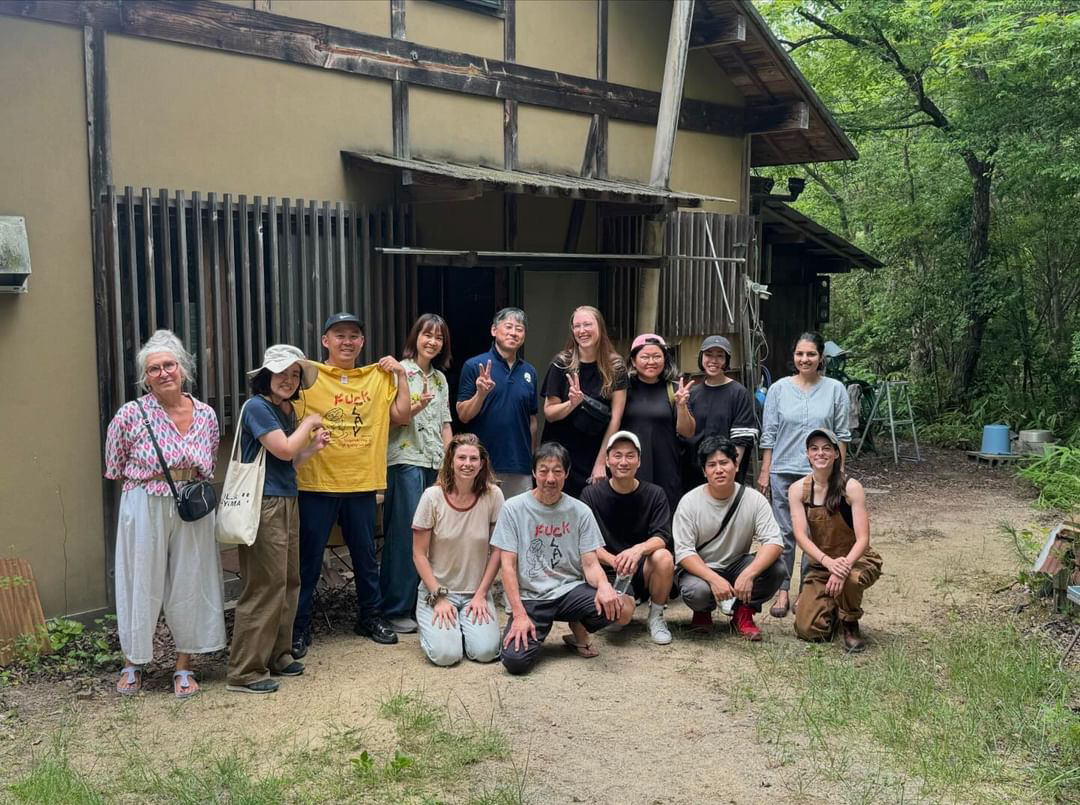
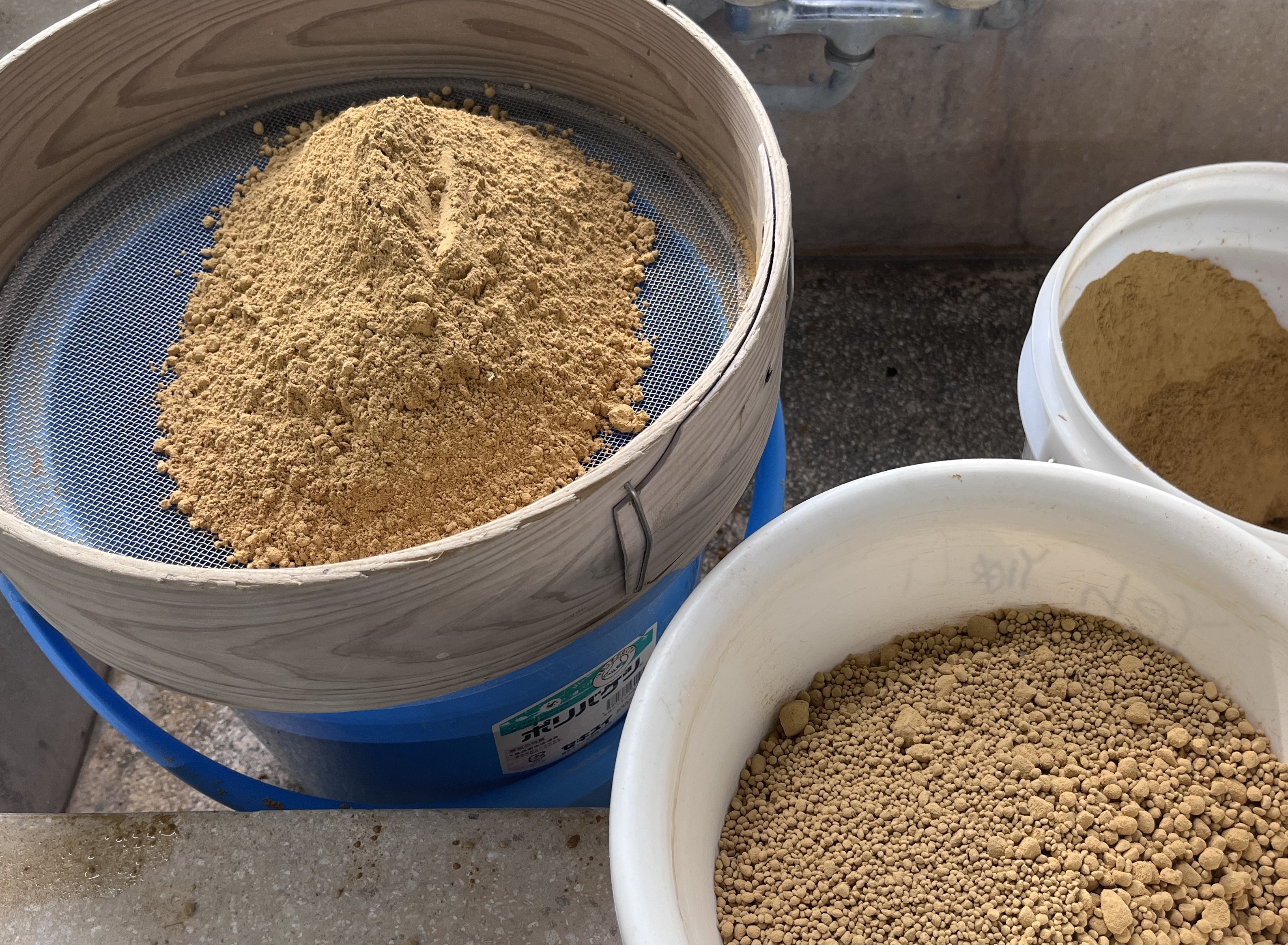
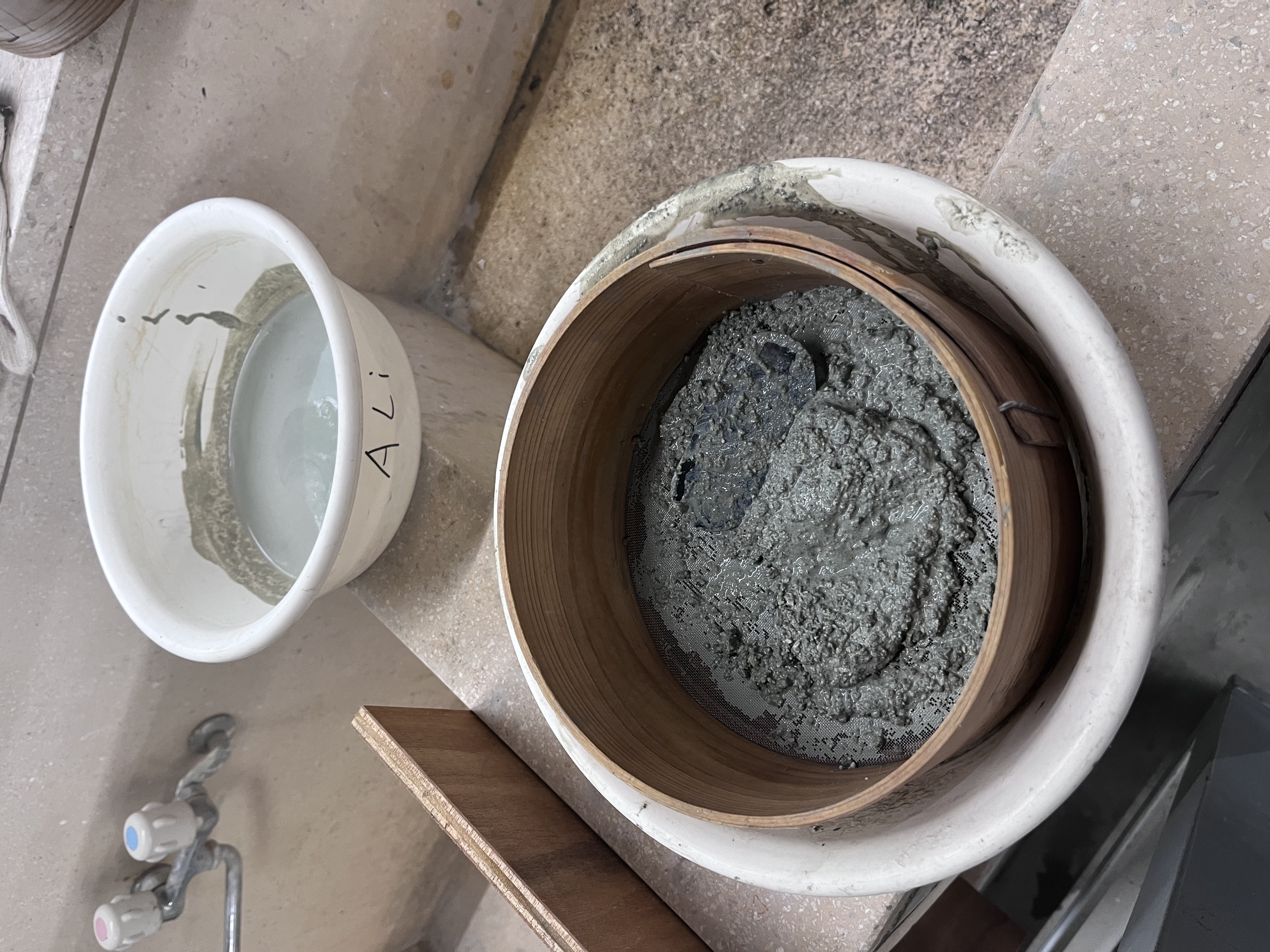
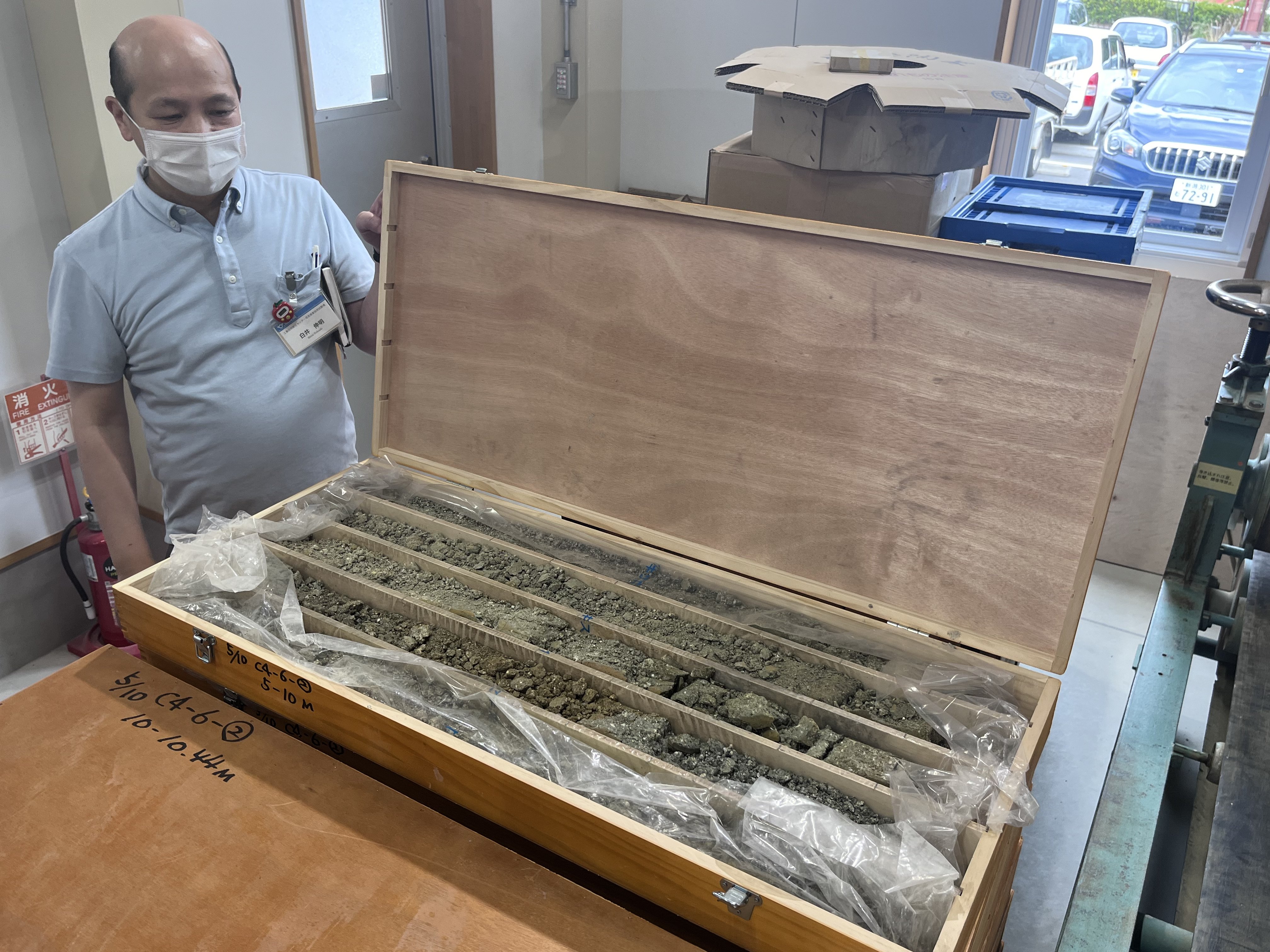
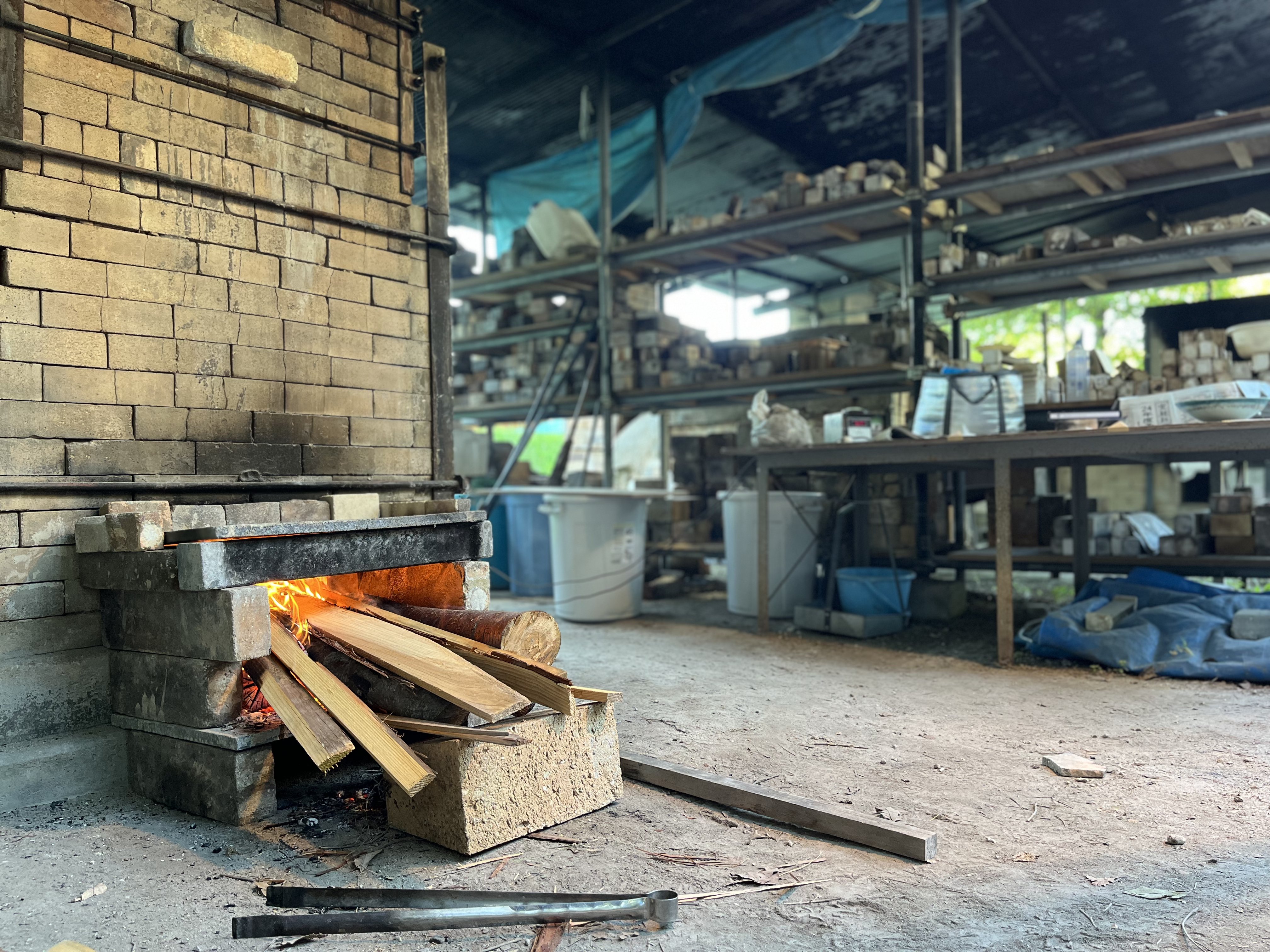
During my residency at the Shigaraki Ceramic Cultural Park (SCCP) in Japan, I participated in two collaborative kiln firings with American artists and local Shigaraki-based ceramic artists. The SCCP also periodically schedules firing projects in its traditionally constructed Anagama (cave kiln) and Noborigama (climbing kiln) kilns in collaboration with various partner institutions. A month and a half after completing my residency, I returned to the SCCP to participate in a large-scale Anagama firing that lasted about a week. I worked with local artists and took shifts to manage the firing temperature. I also worked alongside apprentices from the ceramics research laboratory to record the process. It was a valuable opportunity to work together, document the process, and share our creative experiences and firing techniques.
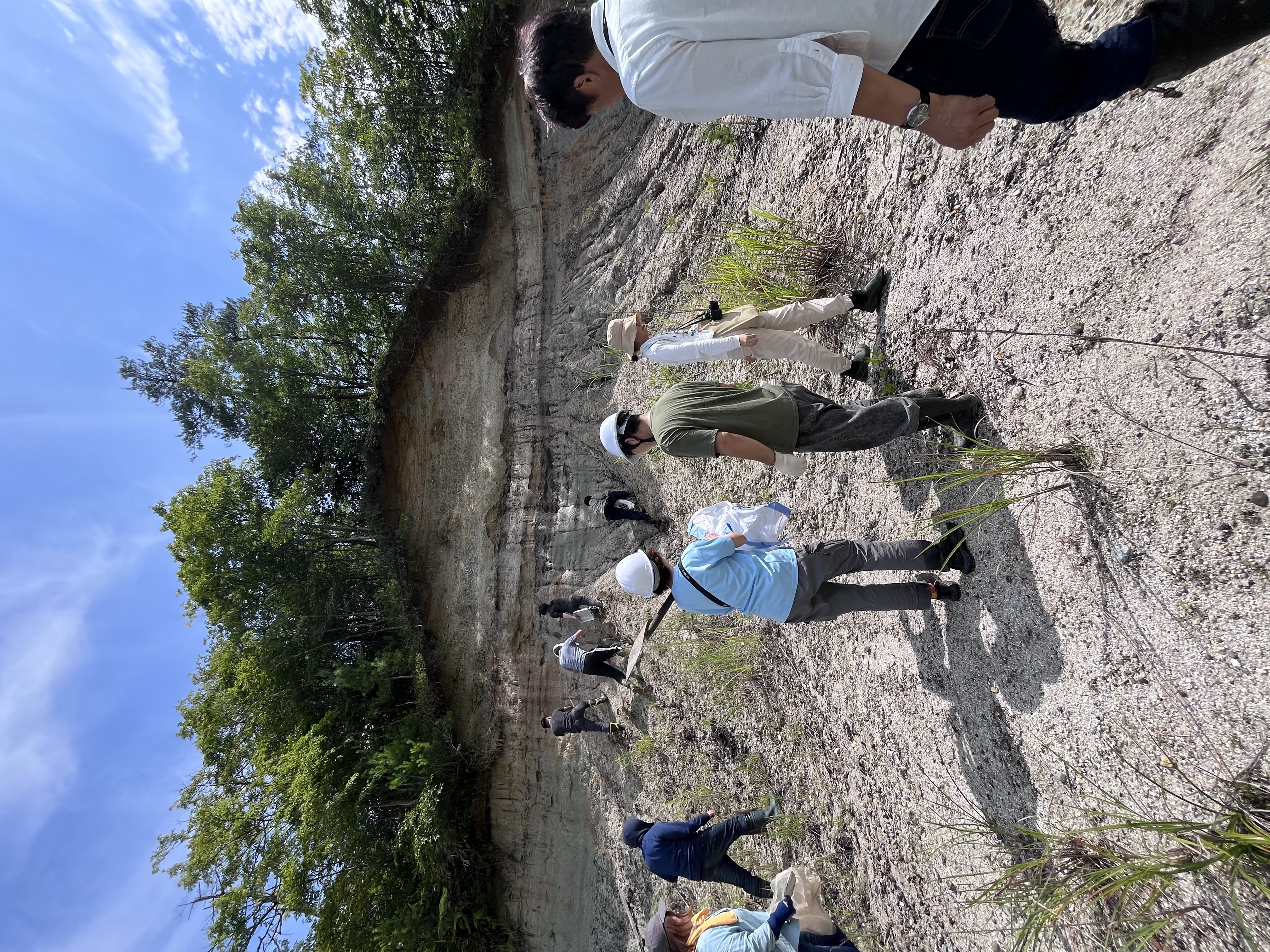
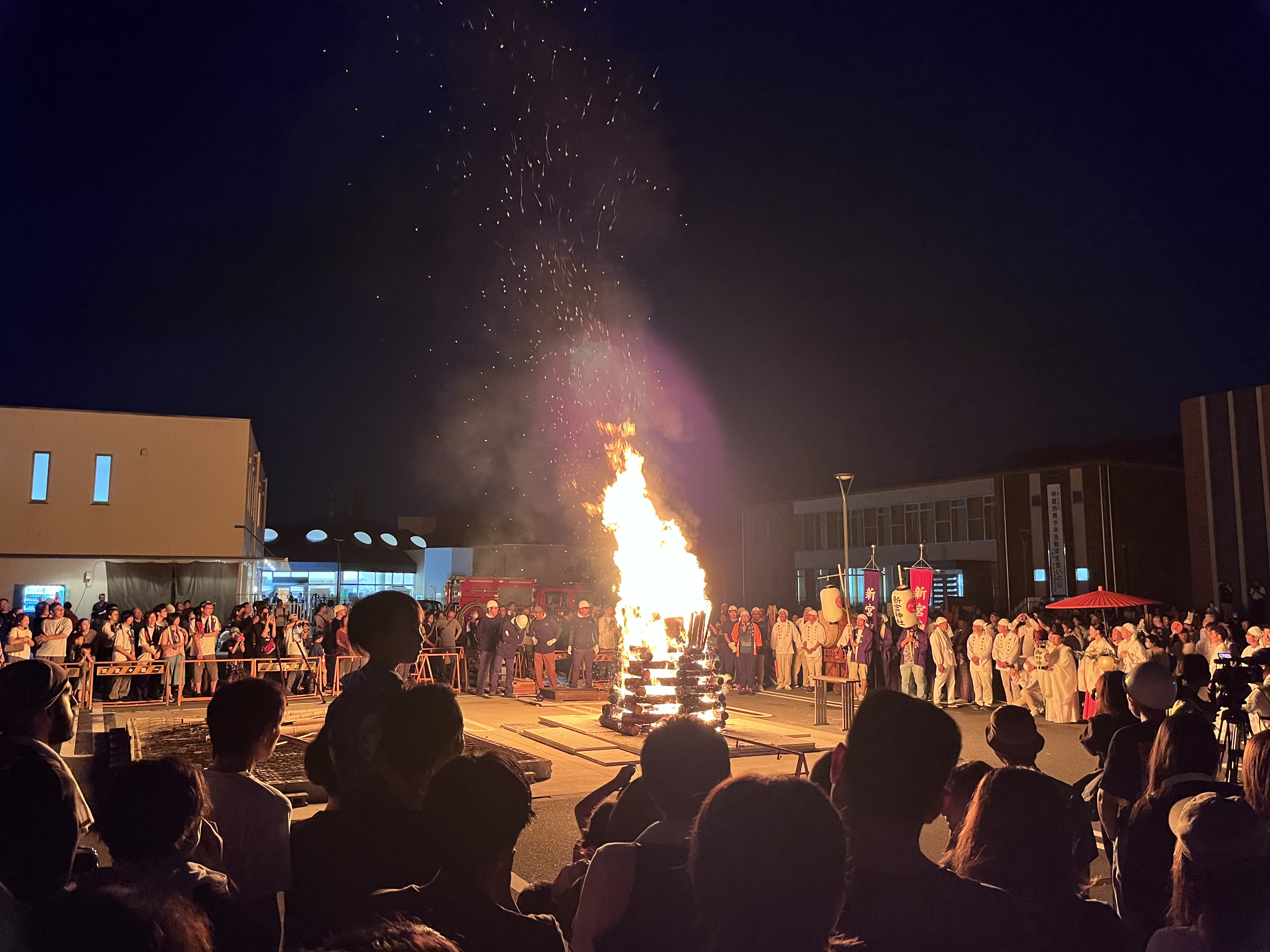
It was also a fascinating experience to visit the Shigaraki Fire Festival during my residency, where I gained a firsthand glimpse of the local community's reverence for fire and their cautious approach to its use. Although Shigaraki is one of Japan's Six Ancient Kilns, it is relatively young compared with the others and carries a rich heritage. I feel fortunate to have visited the natural environment where people in the past gathered clay. I also felt incredibly blessed to be able to integrate modern industrial technology and scientific research methods into my art.
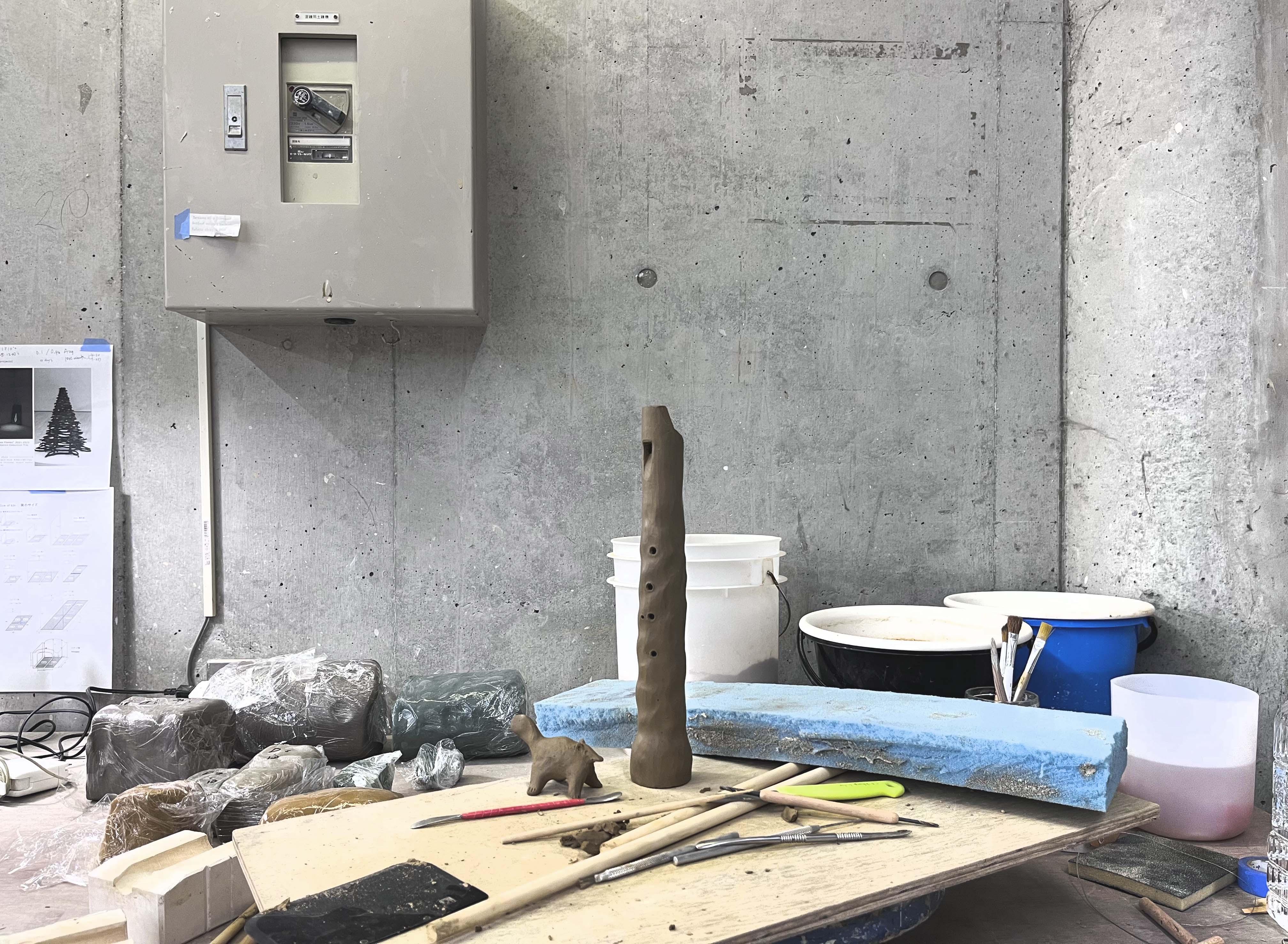
Besides these ongoing collaborative projects, I also explored other creative ideas during my stay at SCCP. After my return, I often find myself thinking about those months of complete immersion in clay, glaze, and pottery. I plan to read and study more, and hope to return to Shigaraki in the near future for further research and exchange. It would also be great to visit other ancient kilns such as Tokoname and Tanba and explore how art, scientific research, and industrial technology can merge to unlock new possibilities in ceramic art.
Author: Chihhung Liu
Edited: Brix