Hsi-Lun Chen
Hsi-Lun Chen is a Taiwanese artist and filmmaker based between London and Taipei, working across photography and moving image. Her practice explores migration, memory, and the connections that emerge between people and places.
She holds master's degrees from Goldsmiths, University of London, and National Chengchi University. Her work has been presented in Taiwan, the United Kingdom, France, and Portugal, and was shortlisted for the Royal Photographic Society's International Photography Exhibition 166.
- Location France / Paris
- Year of the Grant 2024
- Residency Cité Internationale des Arts
- Work Sea of Light (working title)
- Personal Website Hsi-Lun Chen's Personal Website
During my residency in Paris, I expanded on I Came from the Sea, a photography project I developed while pursuing my master's degree in photography and urban culture in the UK. Over the past two years, I have photographed Vietnamese refugee communities in London, exploring the histories of those who fled Vietnam by sea after the Vietnam War, as well as themes of migration, displacement, and memory.
Paris offered a chance to explore these stories in a different context. France is home to one of Europe's largest Vietnamese communities. Its colonial history and cultural and linguistic ties with Vietnam have shaped experiences of migration and displacement that differ from those I encountered in London.
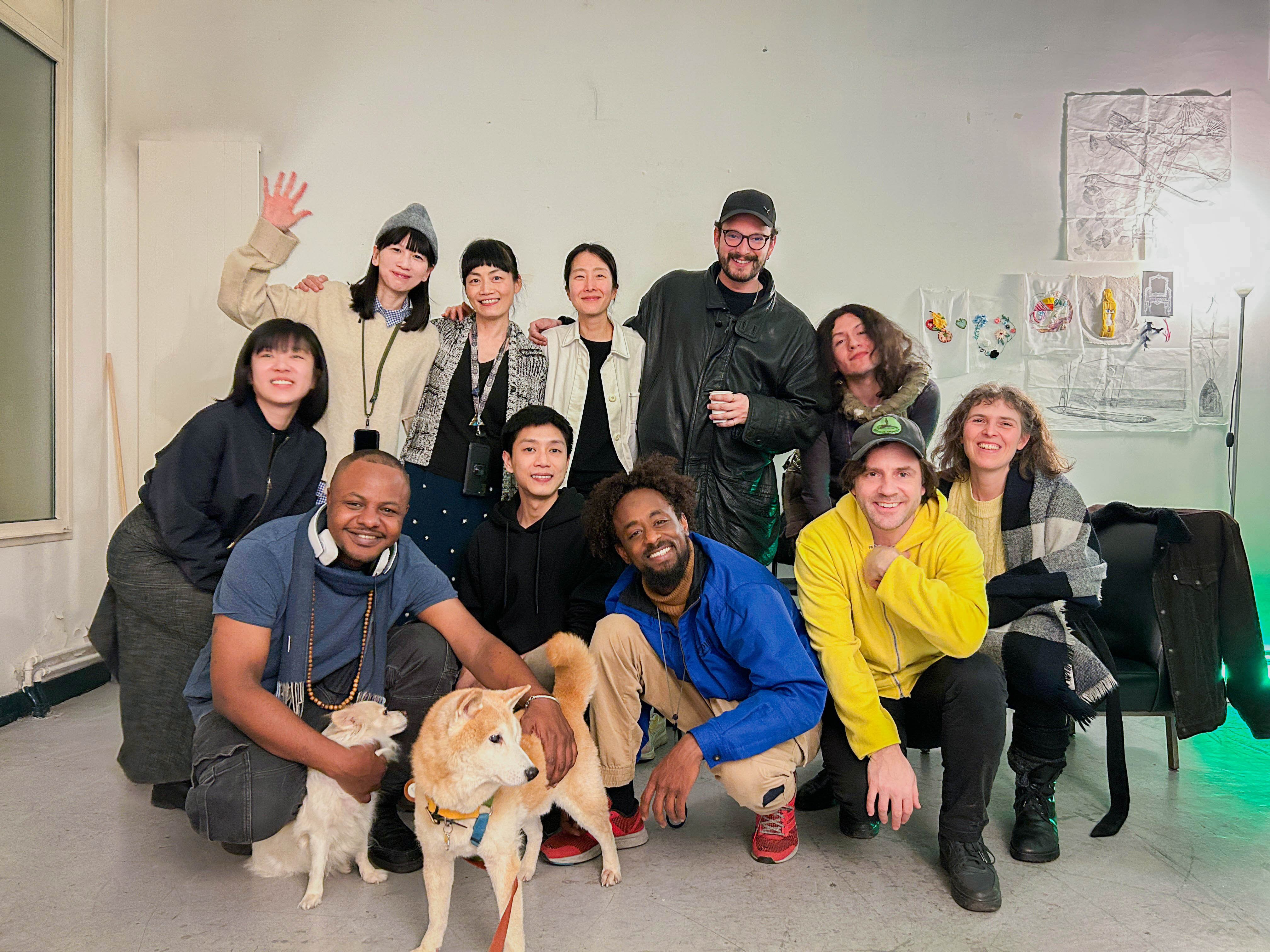
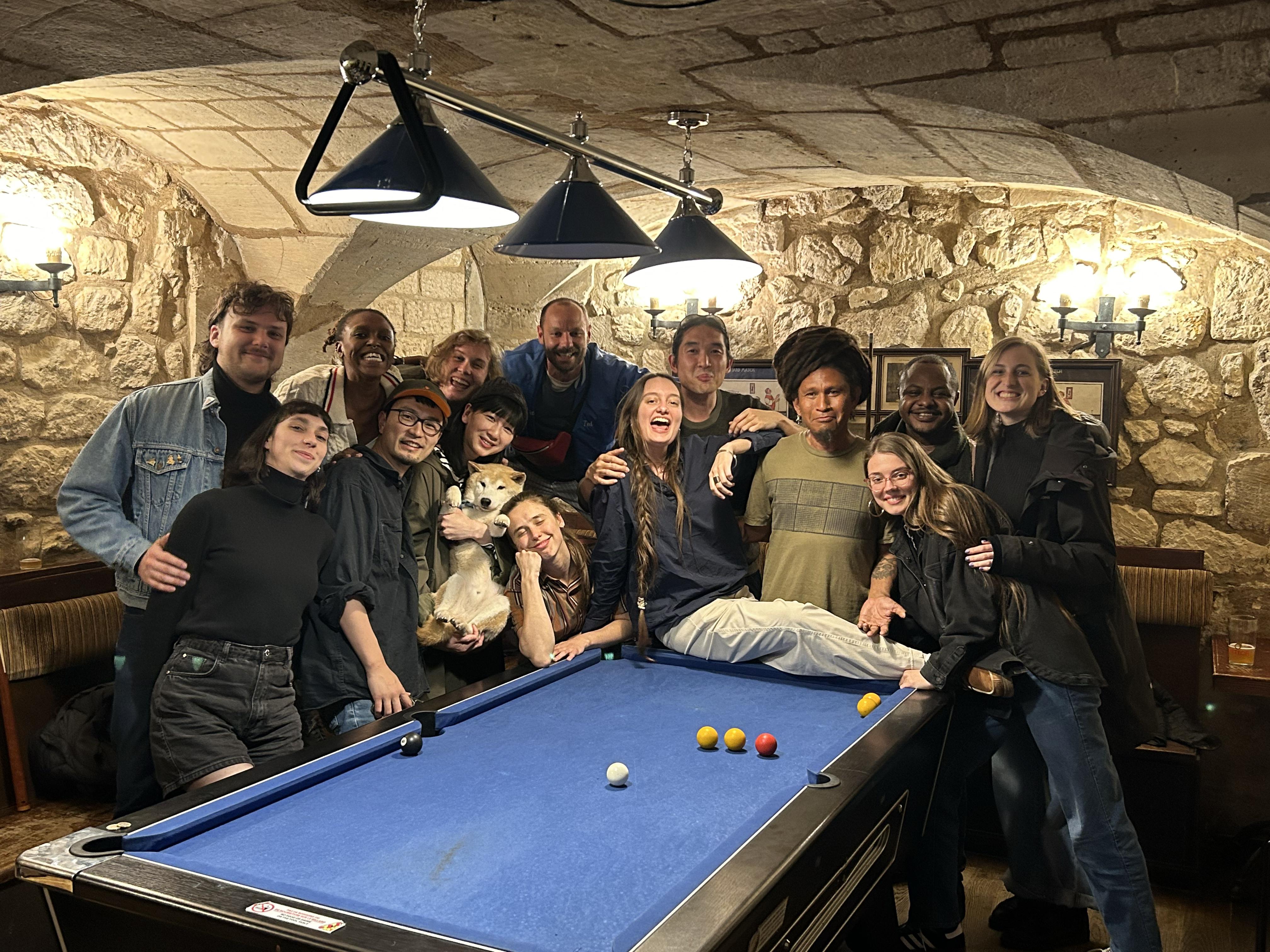
The weekly Open Studios at Cité internationale des arts were a highlight of my time in Paris. Artists welcomed each other into their studios and living spaces, sharing ideas, sketches, and unfinished work. These gatherings offered a sense of connection and mutual support in what can often be a solitary practice.
Meeting artists from different cultures and disciplines offered new perspectives. Their explorations of colonialism, exile, identity, and memory encouraged me to rethink how visual practice could move beyond documentation and storytelling towards something more poetic and personal.
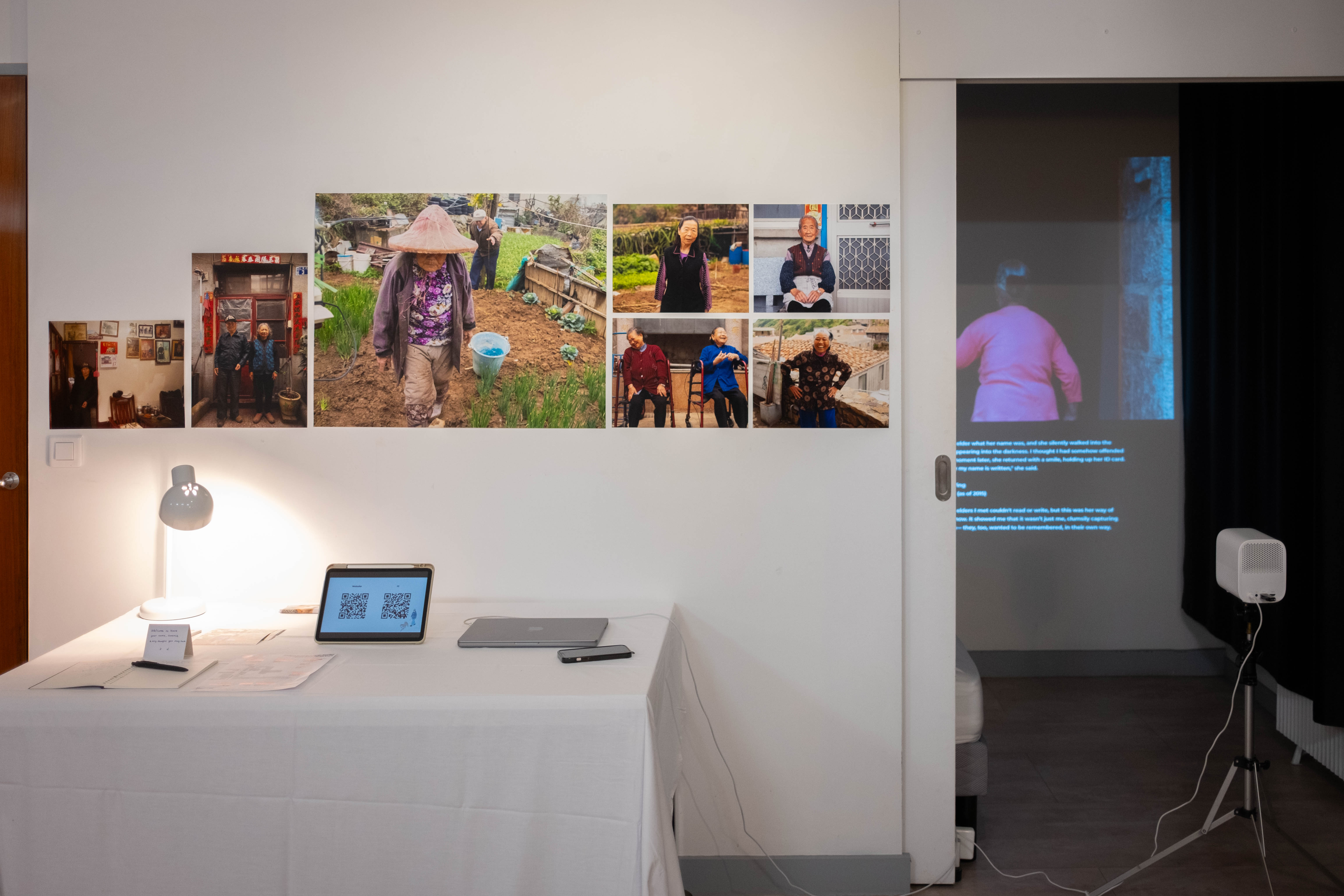
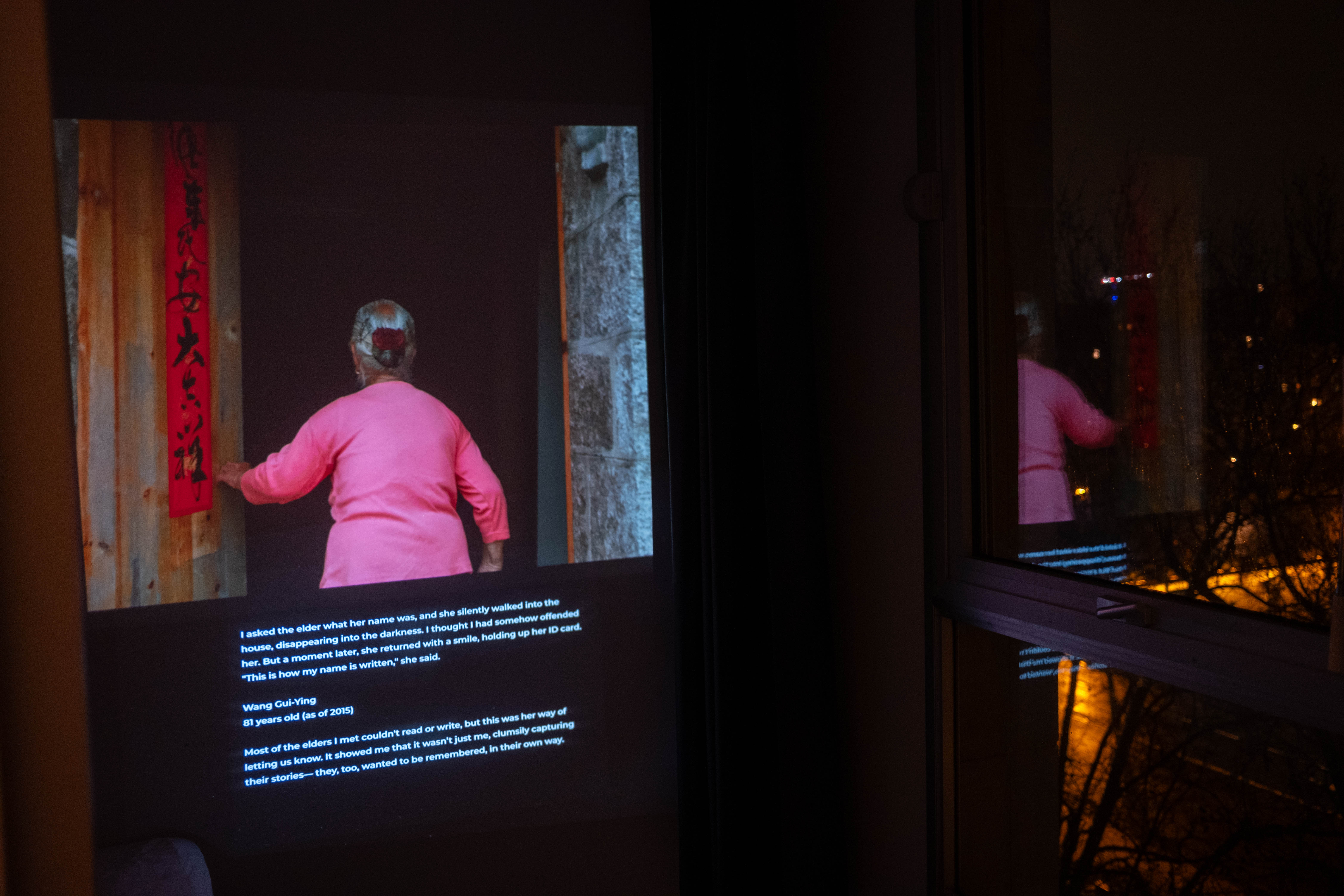
I was also invited to present Yigong, Yima as part of Frontière(s) (Borders), an Open Studio exhibition curated by Sciences Po Saint-Germain-en-Laye. Created a decade ago, the series documents the experiences of elders in Matsu during the period of military administration and control.
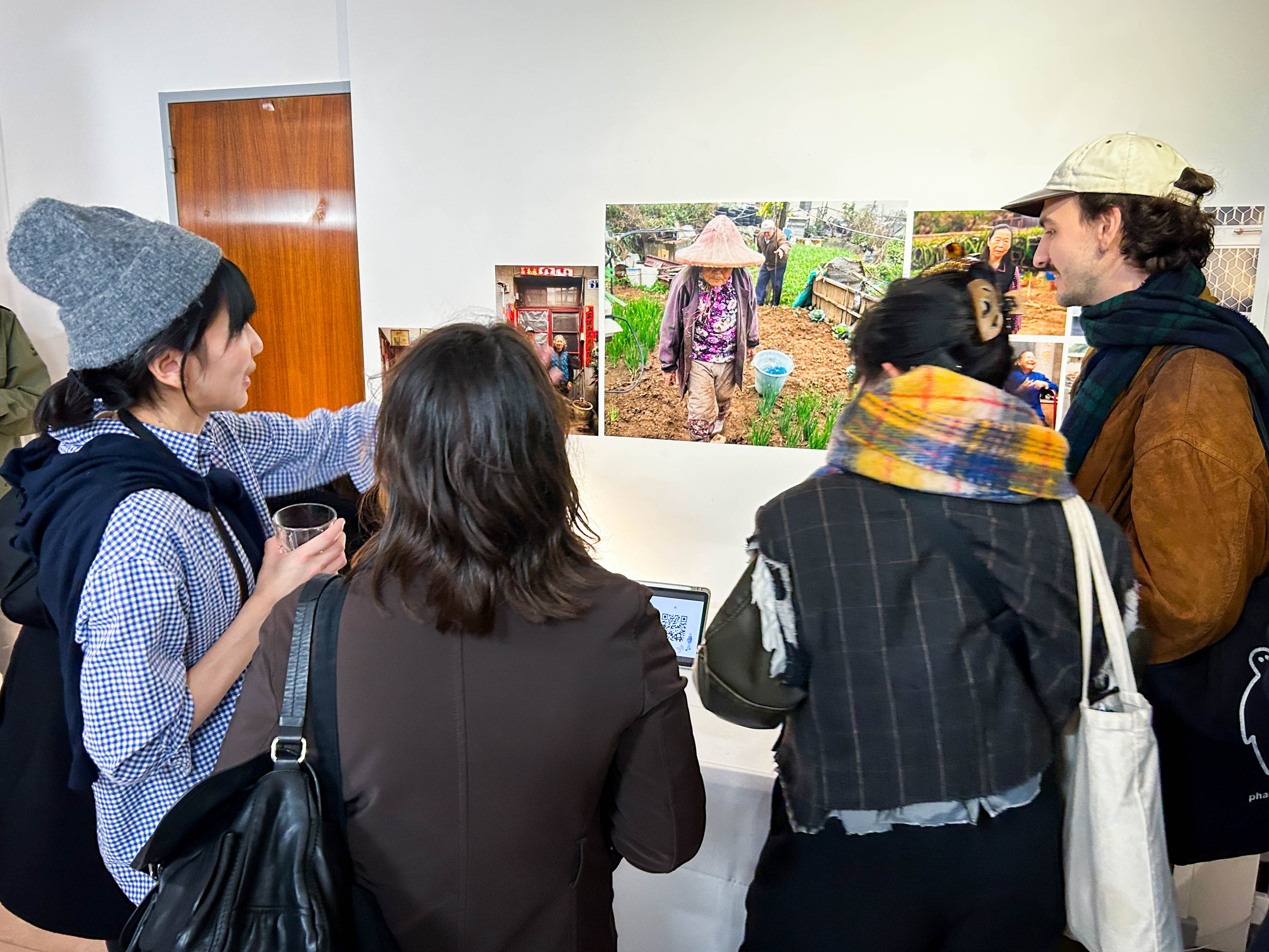
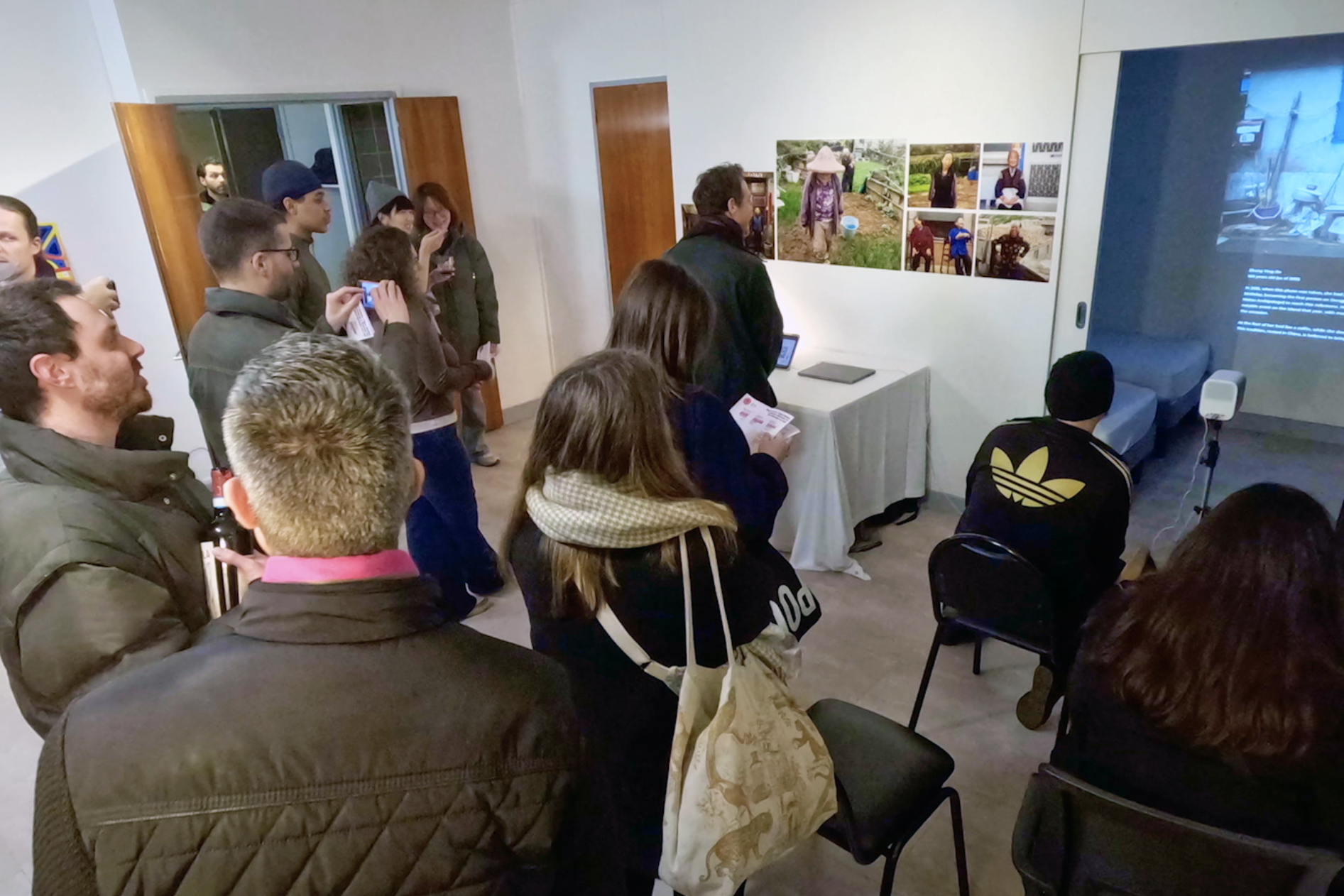
The exhibition offered a new context for the work, connecting it to broader questions of migration, memory, identity, and geopolitics. Visitors were curious about Matsu's history and Taiwan, and some shared stories of historical trauma from their own families and countries. These conversations made me reflect on how personal memories can resonate across different cultures and histories.
My own work also took a new direction in Paris, where I began developing Sea of Light (working title), a visual project that grew out of my photography series I Came from the Sea, exploring new possibilities in visual storytelling.
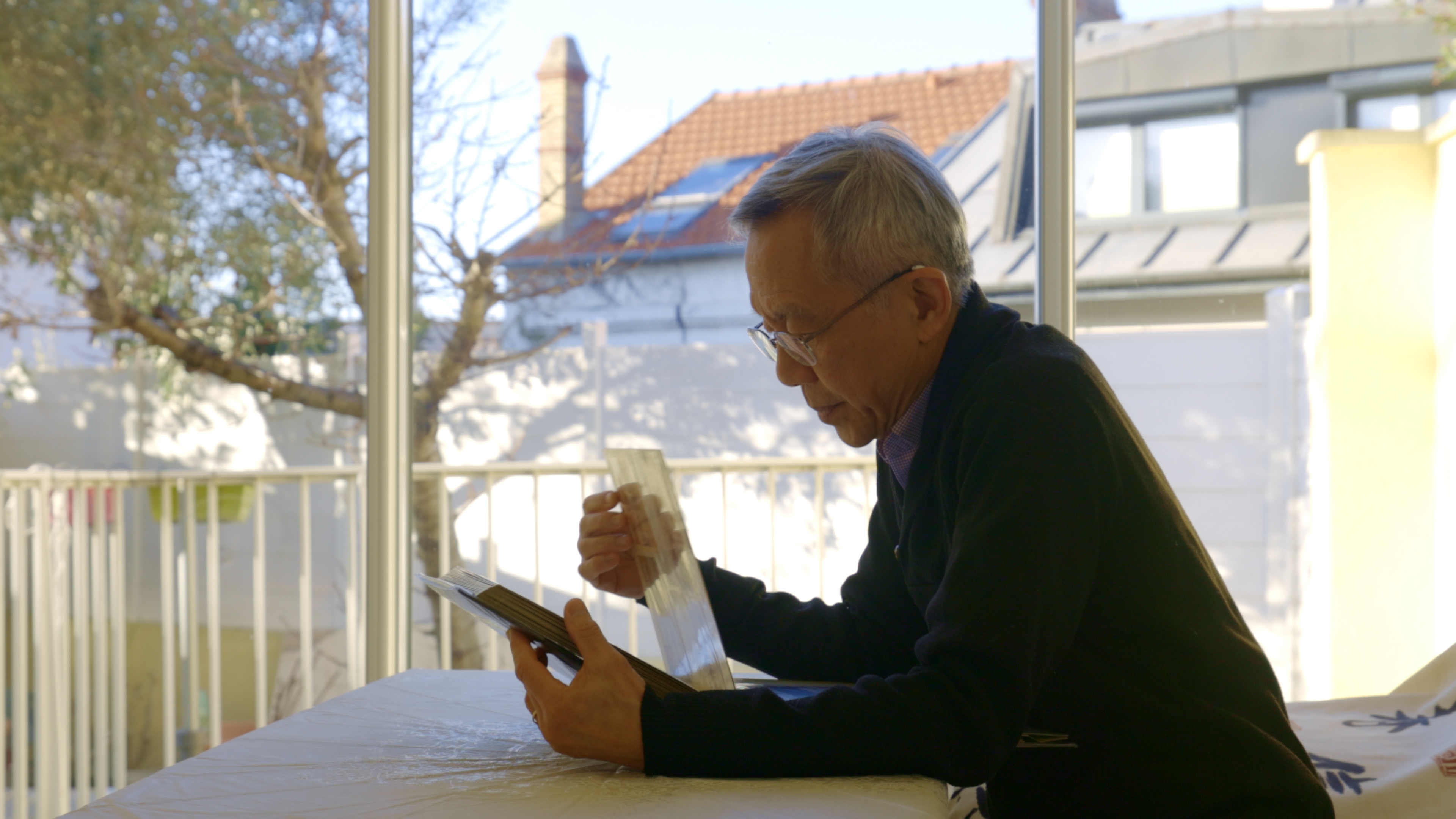
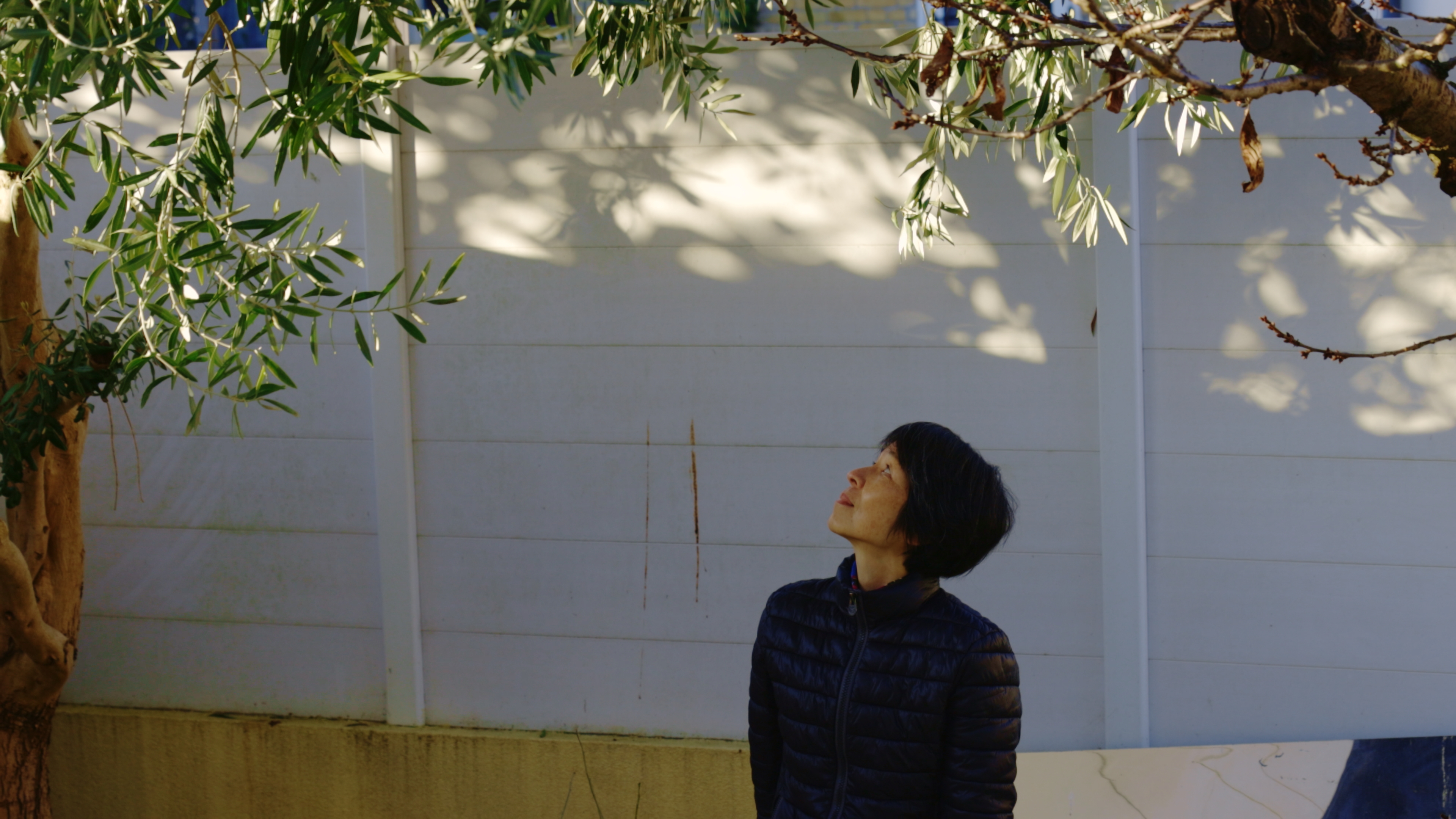
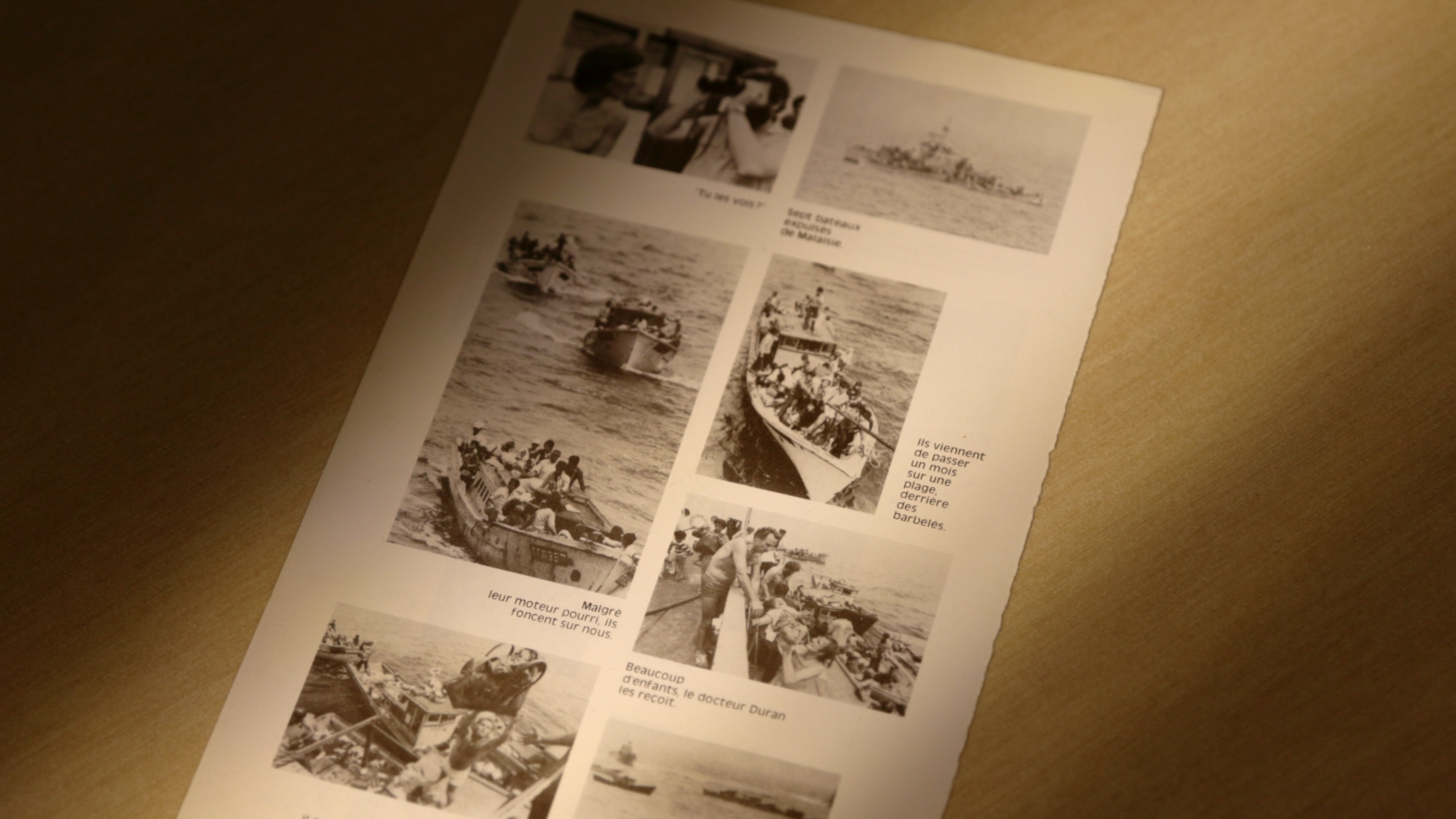
Through a friend, I met Quan and Kim-Oanh, a Vietnamese couple who have made their home in France. At fifteen, Quan fled Vietnam alone on a fishing boat after his family faced political persecution. His journey involved encounters with pirates, a shipwreck, and time spent adrift at sea before he was rescued by the French humanitarian medical ship L'Île de Lumière (Island of Light). Kim-Oanh arrived in France years later through a family reunification programme. They eventually met, married, and built a life together in France.
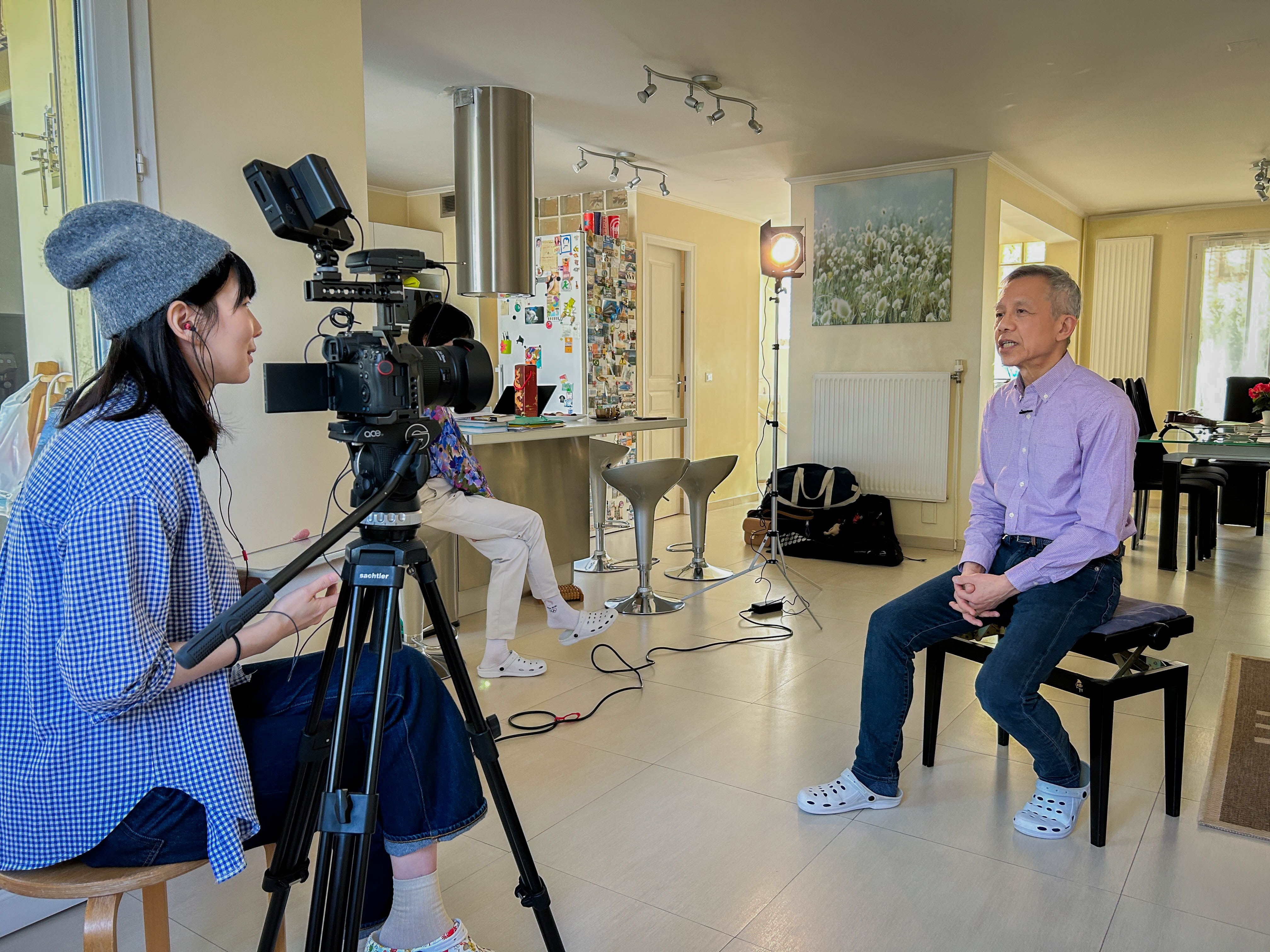
Through interviews and filming, I explored how their experiences of exile continue to shape their sense of home, family, and identity. The greatest challenge was telling stories whose defining moments could no longer be filmed, from Quan's escape at sea to Kim-Oanh's early days in France.
This led me to question how documentary can evoke an unseen past through personal memories, oral histories, family photographs, present-day landscapes, and sound, rather than relying solely on what can be captured on camera.
Although I completed a rough cut of "Sea of Light" during the residency, I still see it as a work in progress. I hope to bring together moving images, sound, and archival materials to explore different ways of telling stories about memory and displacement.
For me, the most valuable part of the residency was not simply starting a new project, but exchanging ideas with artists from around the world and discovering new possibilities for my own practice.
Author: Hsi-Lun Chen
Edited: Brix