Wang, Yan-Ran
Wang, Yan-Ran graduated with an MFA in Fine Arts from Taipei National University of the Arts. His practice primarily centers on ceramics, extending into sculpture and spatial installation. He has long focused on the blurred boundaries between industrial mass production and handmade creation, attempting to develop a dialectic between repetition and uniqueness. Through the reassembly and reproduction of readymade imagery, he plays with cultural symbols and the language of everyday objects, reflecting on personal experience and cultural phenomena.
His works have received multiple recognitions, including selection for the Ministry of Culture's 2025 Made in Taiwan – Young Artist Discovery section, the "Sojourn Award" at the 2023 Taoyuan International Art Award, the 2022 New Taipei Gallery Emerging Artists Exhibition Program, and an invitation to participate in the 2022 Taiwan Ceramics Biennale.
- Location Netherlands / Oisterwijk
- Year of the Grant 2024
- Residency Sunday Morning, European Ceramic Work Centre (EKWC)
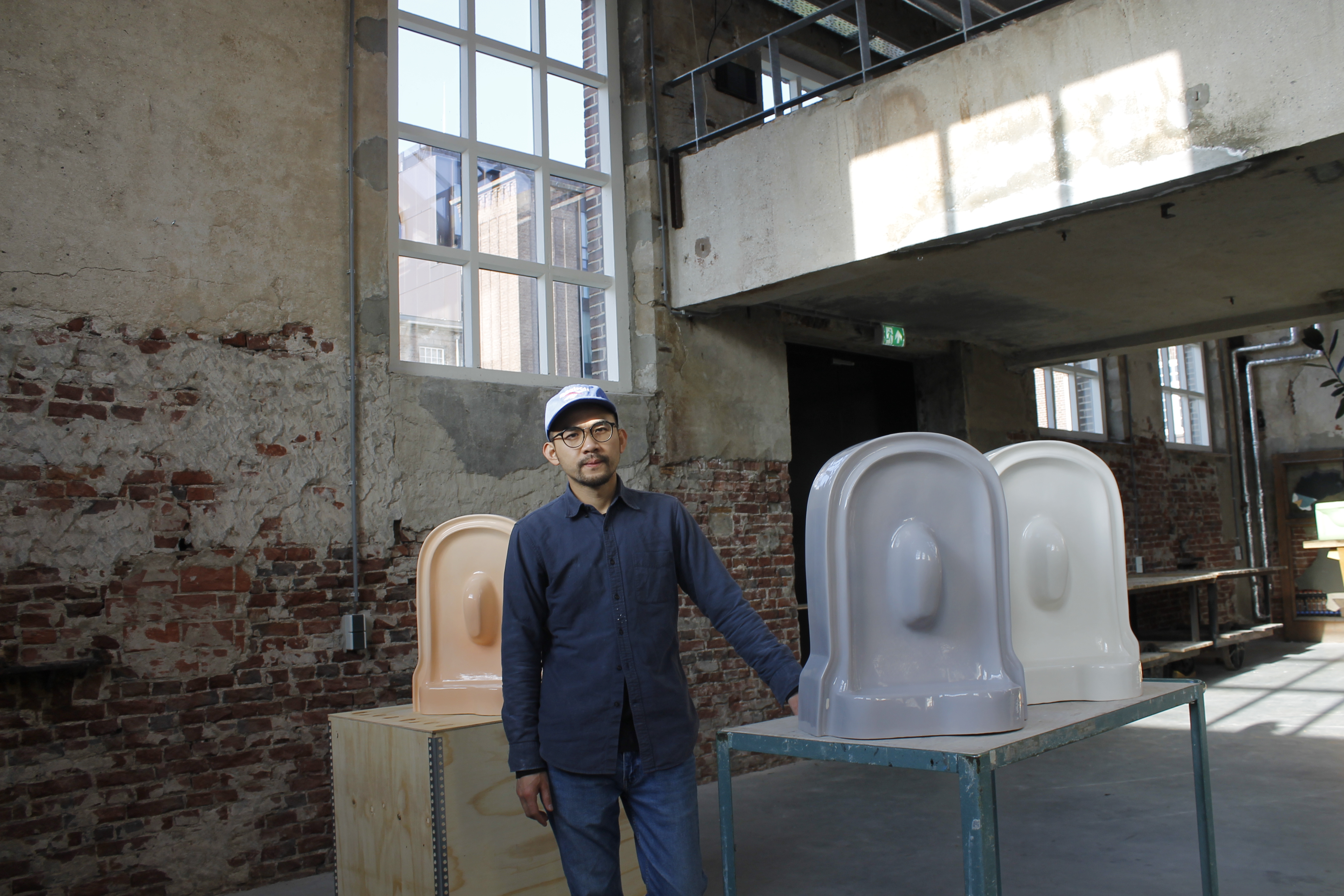
- Work Universal Form - S2411NL
- Personal Website Wang, Yan-Ran's Personal Website
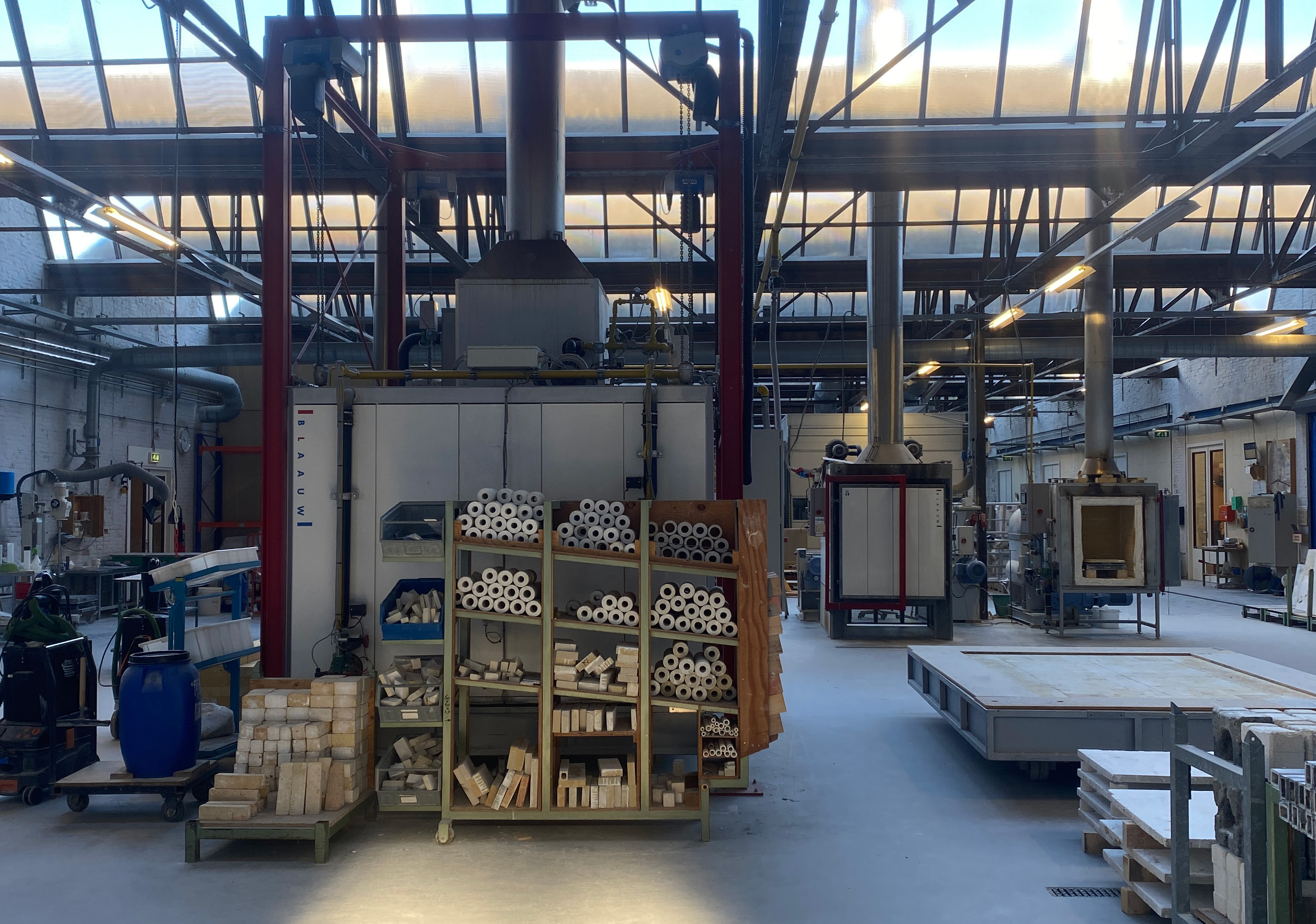
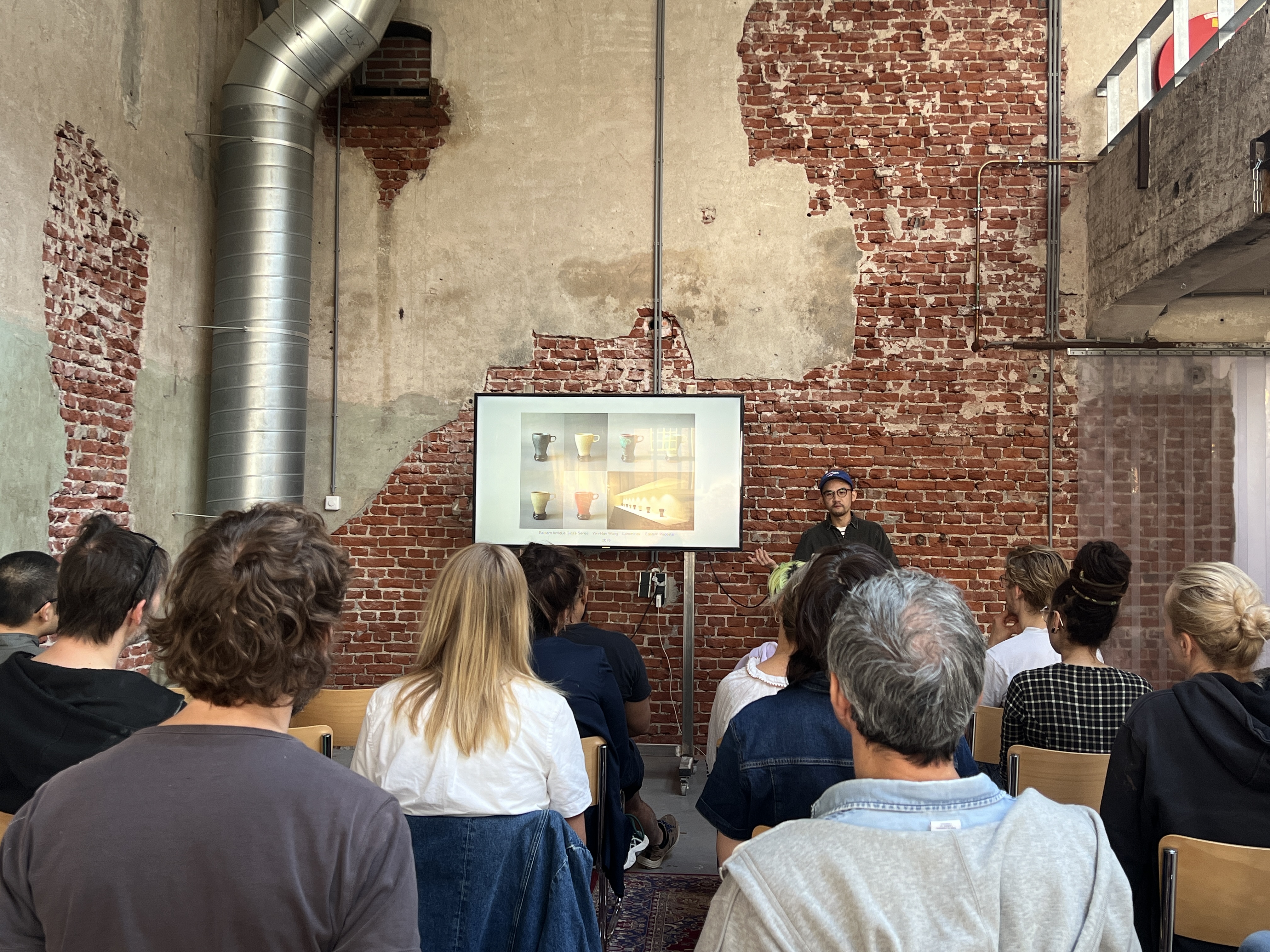
I applied for the residency program at EKWC (European Ceramic Work Centre, Sundaymorning@EKWC) in the Netherlands because I wanted to see how they use data analysis and extensive scientific experimentation to develop and share knowledge of ceramic materials. This approach is different from the common learning methods among ceramic artists in Taiwan, where ceramists mostly rely on personal experience or learning through apprenticeships. At EKWC, every resident artist works from an individual studio with access to well-equipped workshops for wood, metal, plaster, and mold-making, a digital lab, a glaze room, and a spray booth.
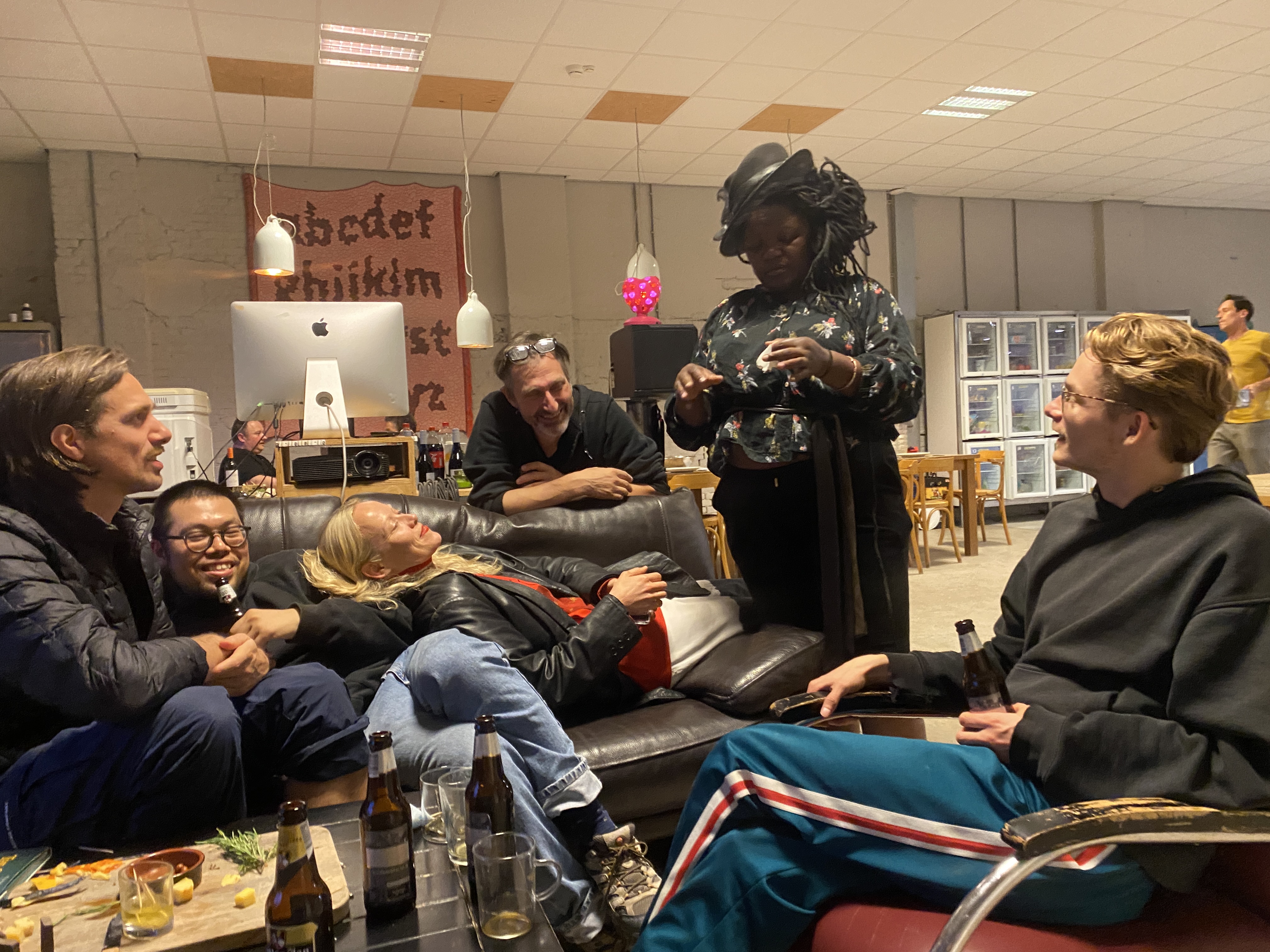
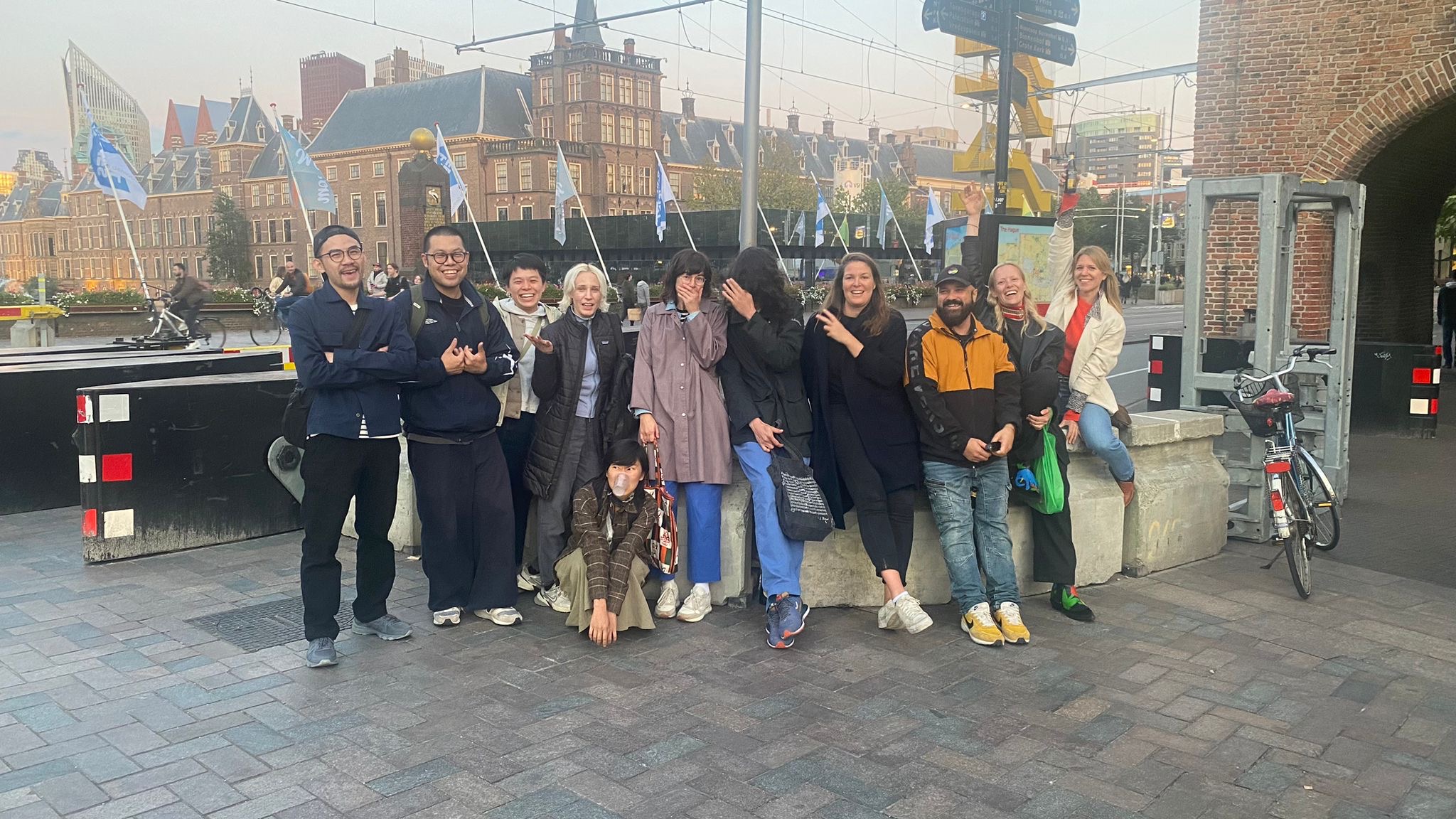
EKWC keeps stock of most of the ceramic materials we need. The people I met during my stay here were very friendly. The atmosphere was great. There were local Dutch artists who had participated in the residency program several times. The information they shared helped me to get up to speed with my work here. The EKWC program hosts 16 residents at the same time. This means that every two weeks someone new arrives and someone leaves. It took me a while to get used to saying goodbyes. After a while, I realized that I need to focus on my own work more. Getting to know other people is good for my stay, but maintaining a sense of balance is also important.
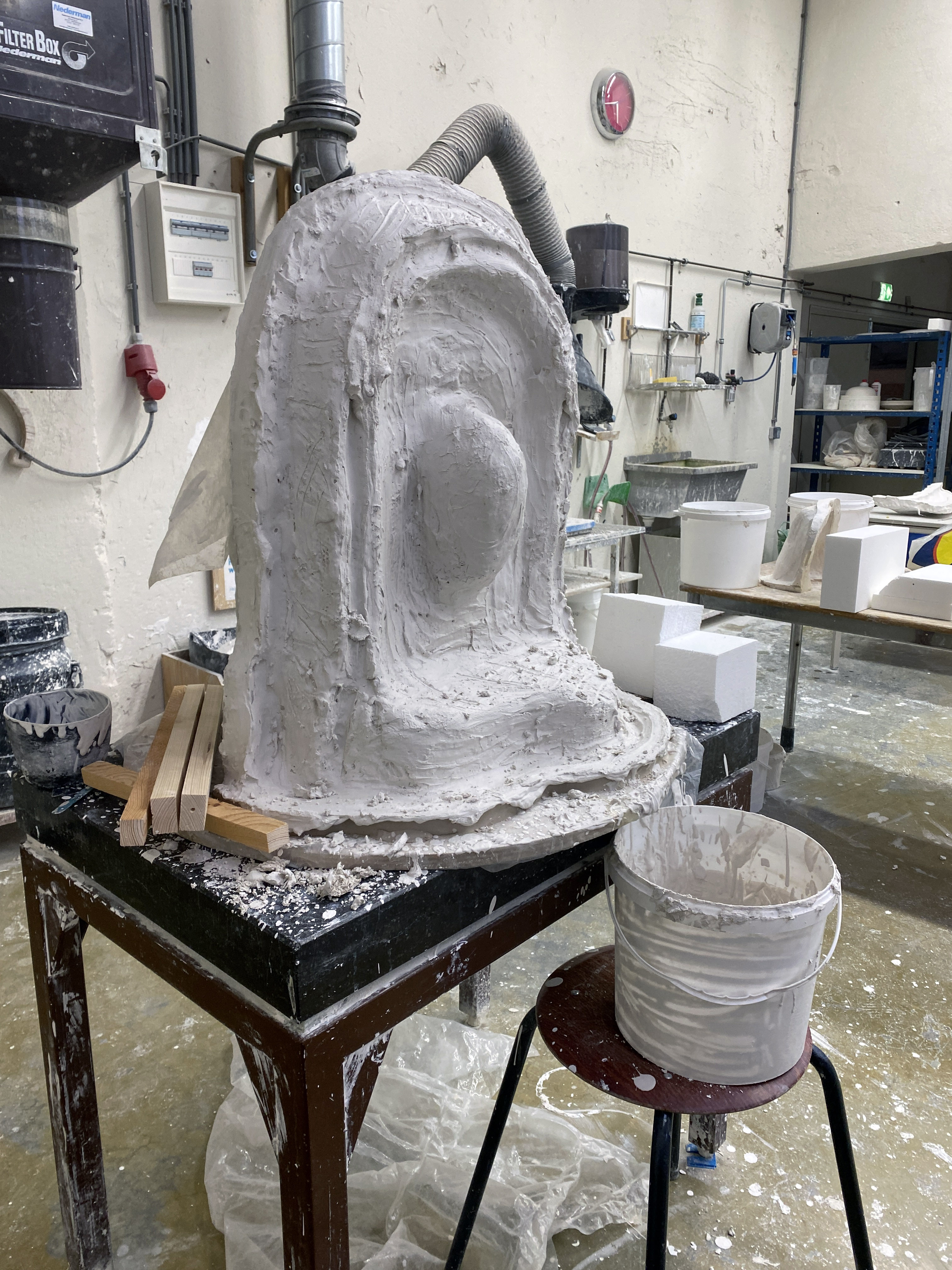
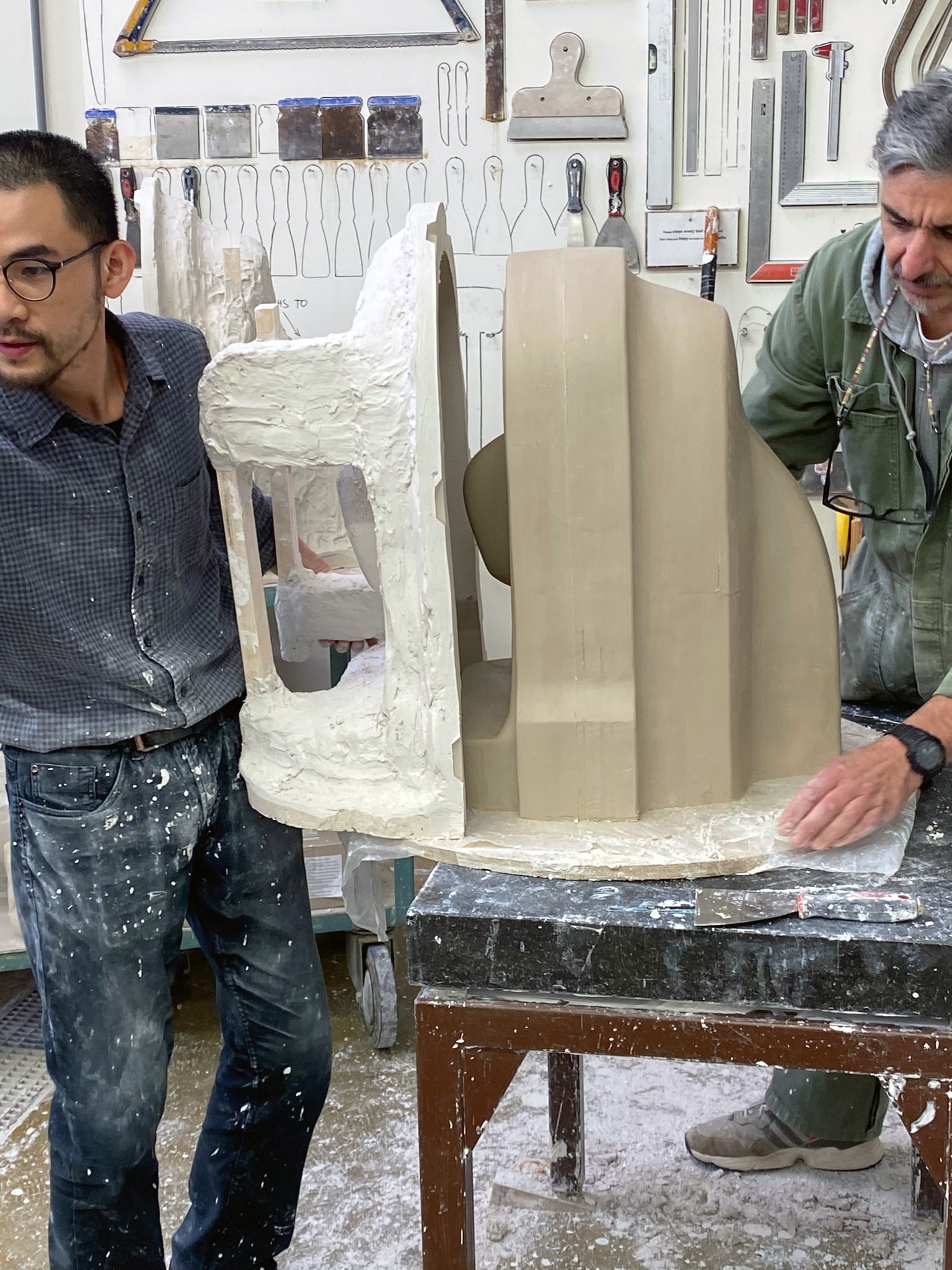
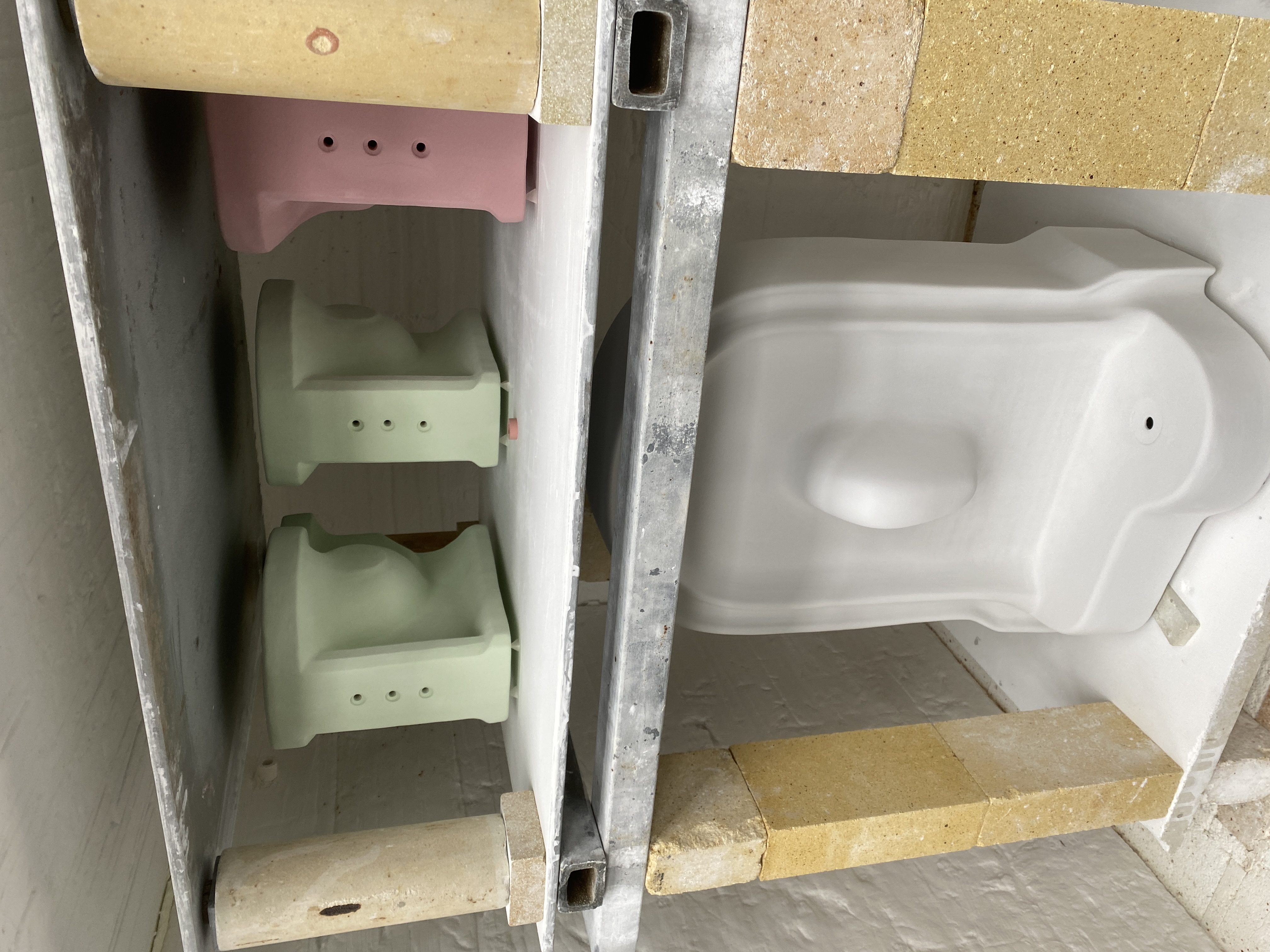
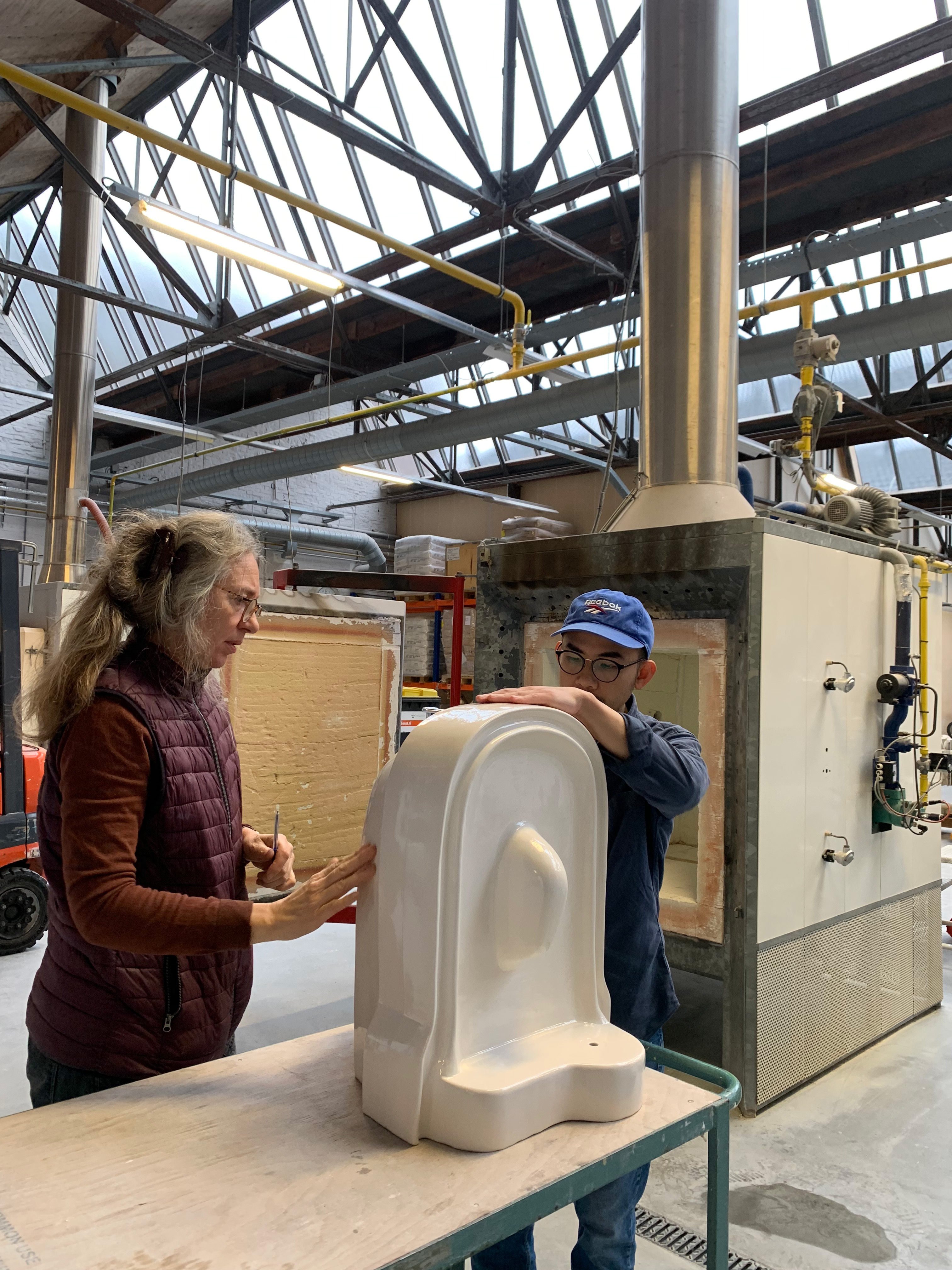
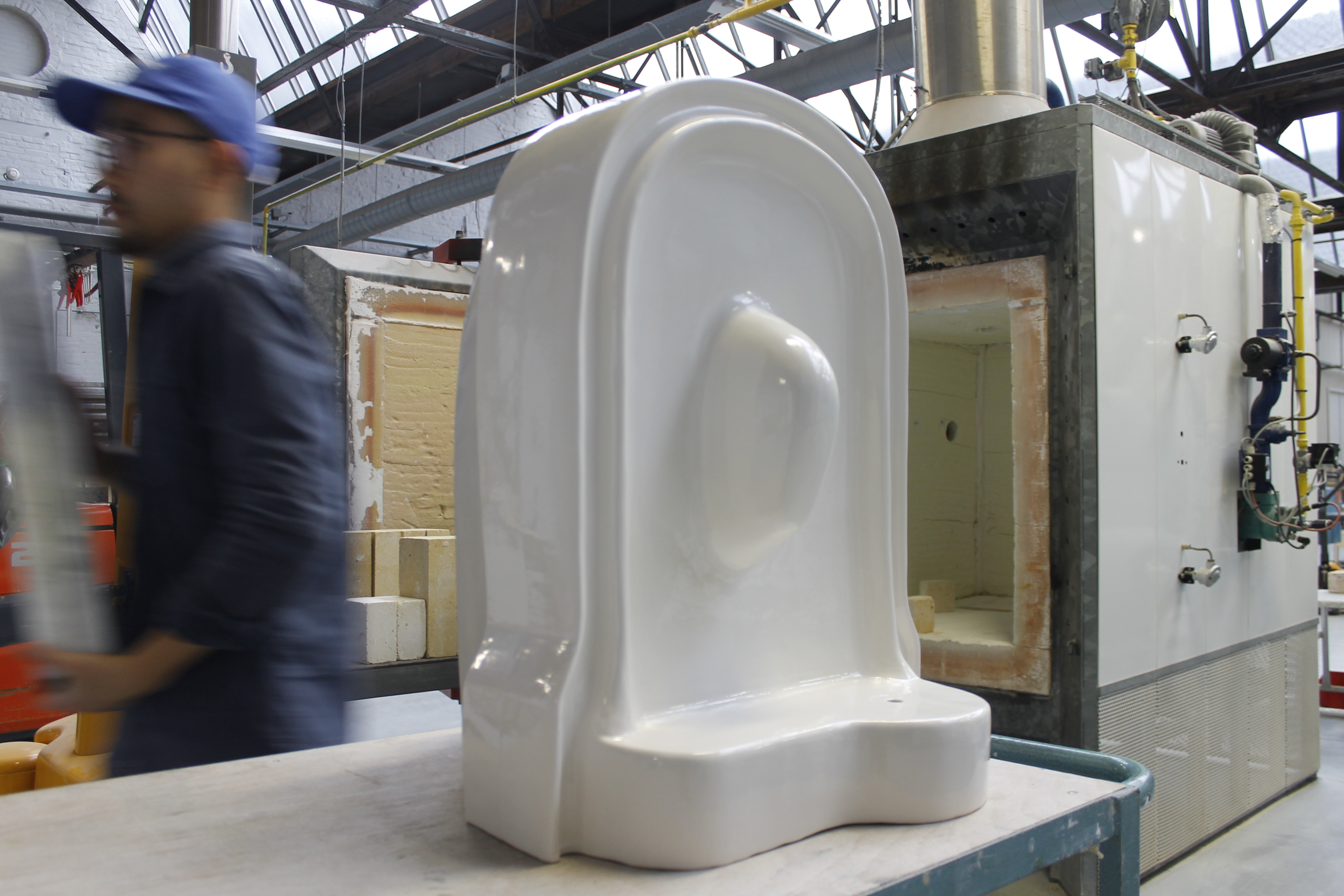
My creative process went through a series of ups and downs during my residency. When I first arrived and found myself in an empty studio, I felt the pressure of time and the challenges of working in a foreign country. But I was also thrilled and excited when I began to picture myself gradually filling up the studio with my work. I experimented with several clay recipes and tackled many problems during the firing process. The glaze was also a challenge. Thankfully, after two weeks of round-the-clock adjustments to the recipe and non-stop work in the final phase, I still managed to get the results I wanted. It was not perfect, but it at least documented my residency and opened up a new direction for my future practice.
Author: Wang, Yan-Ran
Edited: Brix