Hung Tzu-ni
Hung Tzu-ni’s work uses spatial installation as a medium to explore the interplay between listening, gender, and materiality, focusing on the boundaries between sound and matter in site-specific practice. She believes in the flexibility of the human senses and sees the intersection of technology and humanity as a generative sweet spot, seeking balance between institutional and non-institutional environments. Her practice investigates the complex relationships between sound, gender, and space, often realized through spatial sound installations, field recordings, and written narratives drawn from subconscious memory. Operating at the intersection of embodied listening and spatial poetics, Hung constructs sound as a medium for intimacy, resistance, and relational knowledge, creating environments that are both affective and specific.
- Location Netherlands / Oisterwijk
- Year of the Grant 2023
- Residency Sunday Morning, European Ceramic Work Centre (EKWC)
- Personal Website Hung Tzu-ni's Personal Website
Learning that the European Ceramic Work centre (EKWC) in the Netherlands had established its own dedicated sound lab in 2021 sparked my curiosity. I was eager to explore the aesthetic potential of error in the ceramic firing process, as well as the sonic possibilities it might reveal.
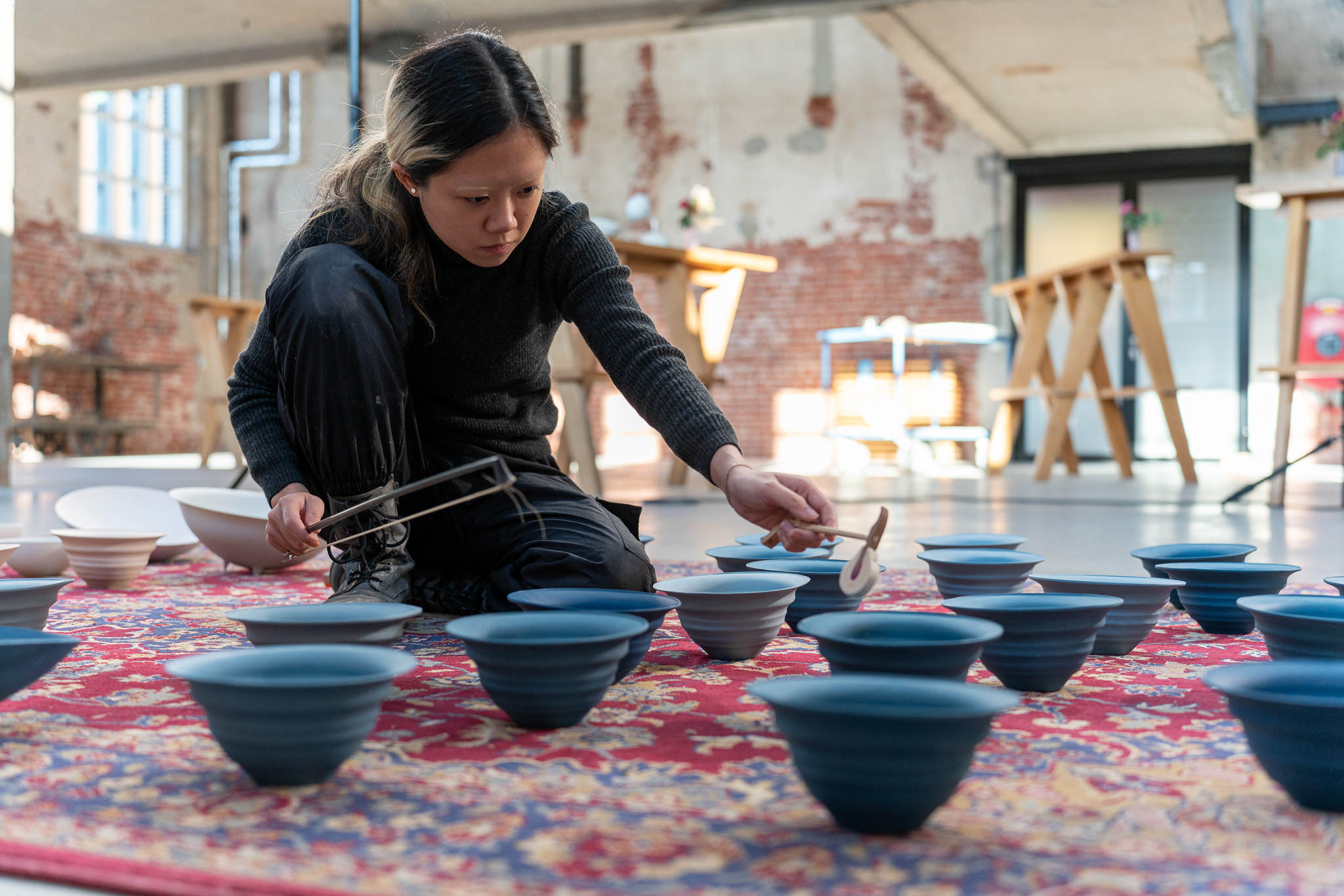
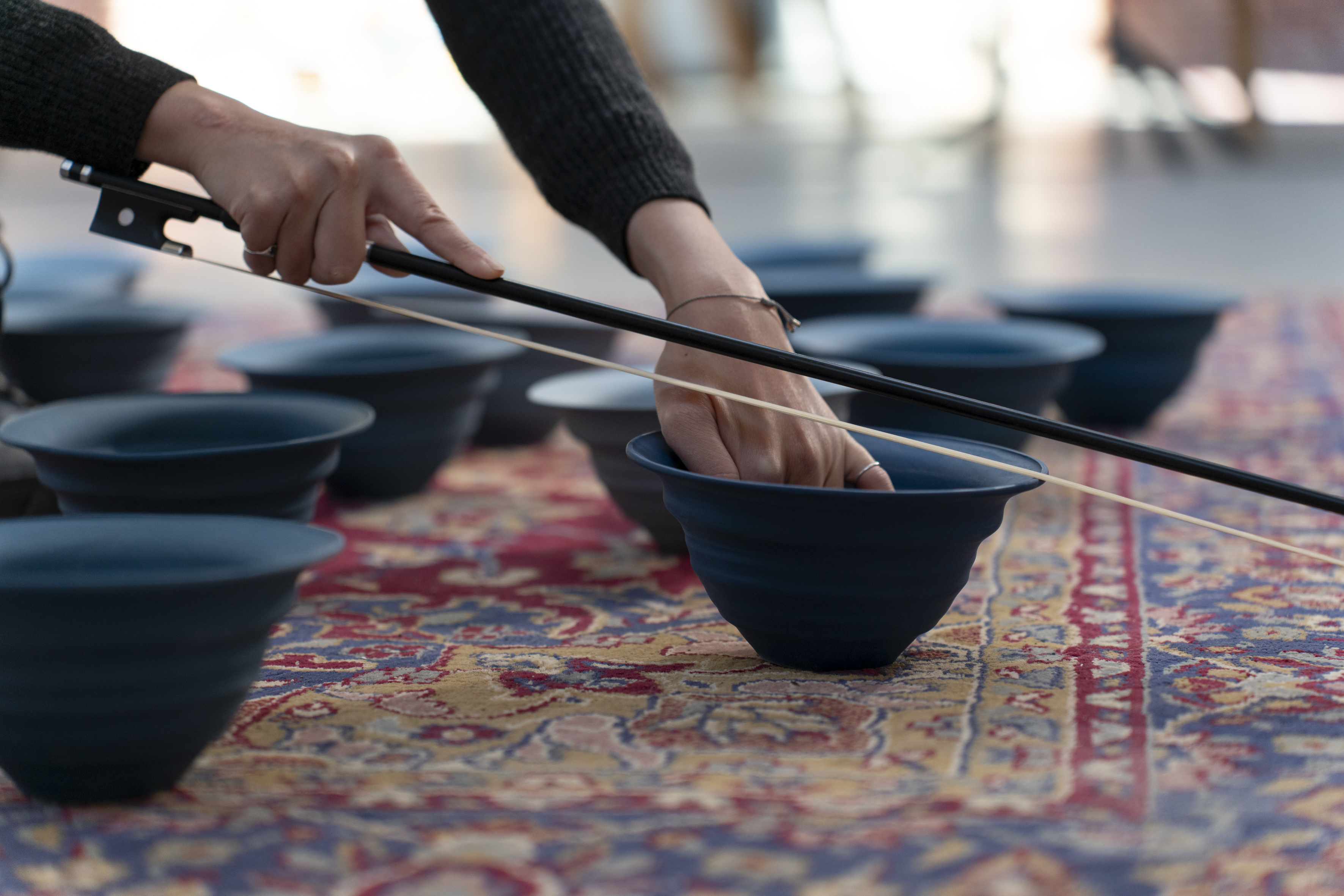
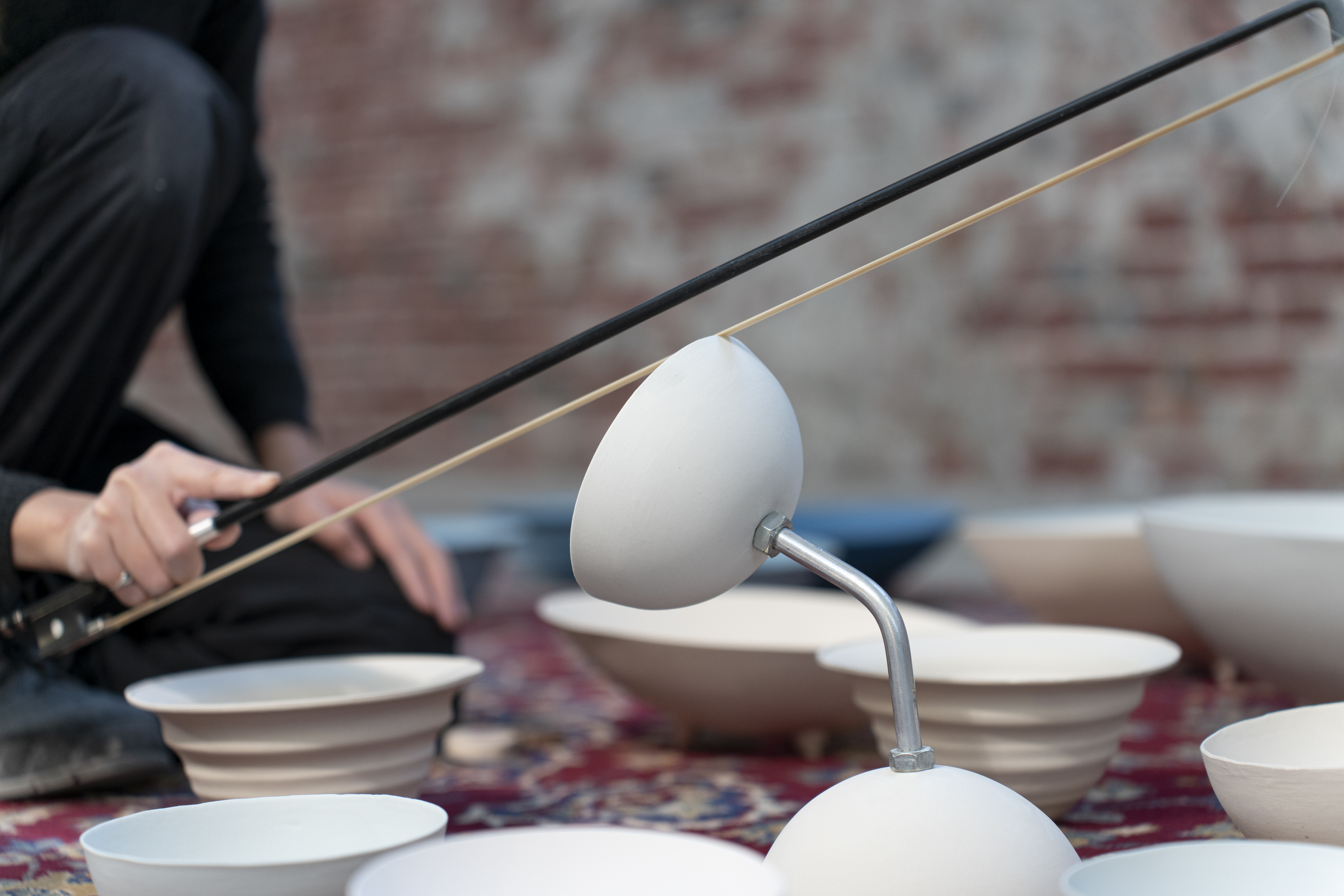
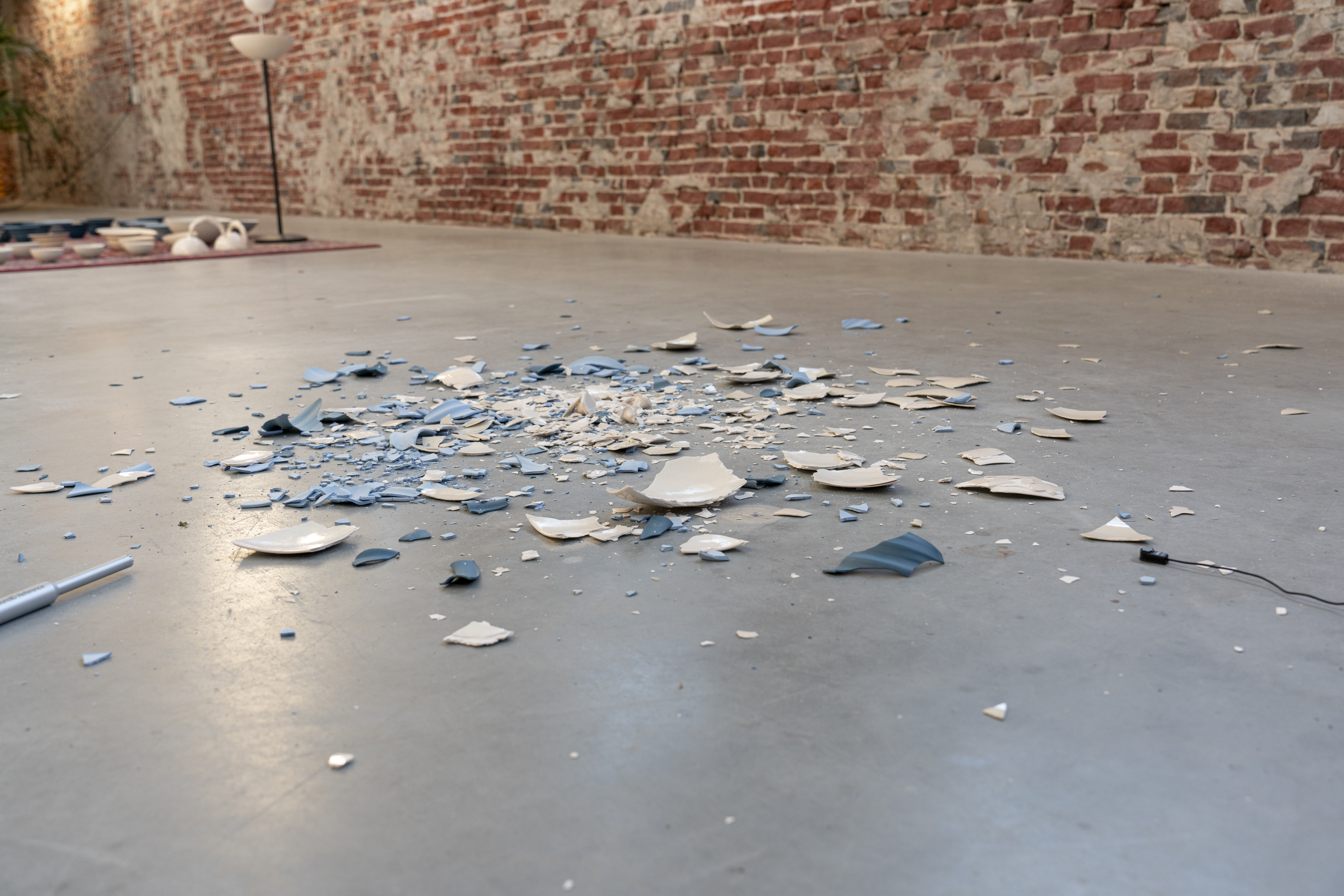
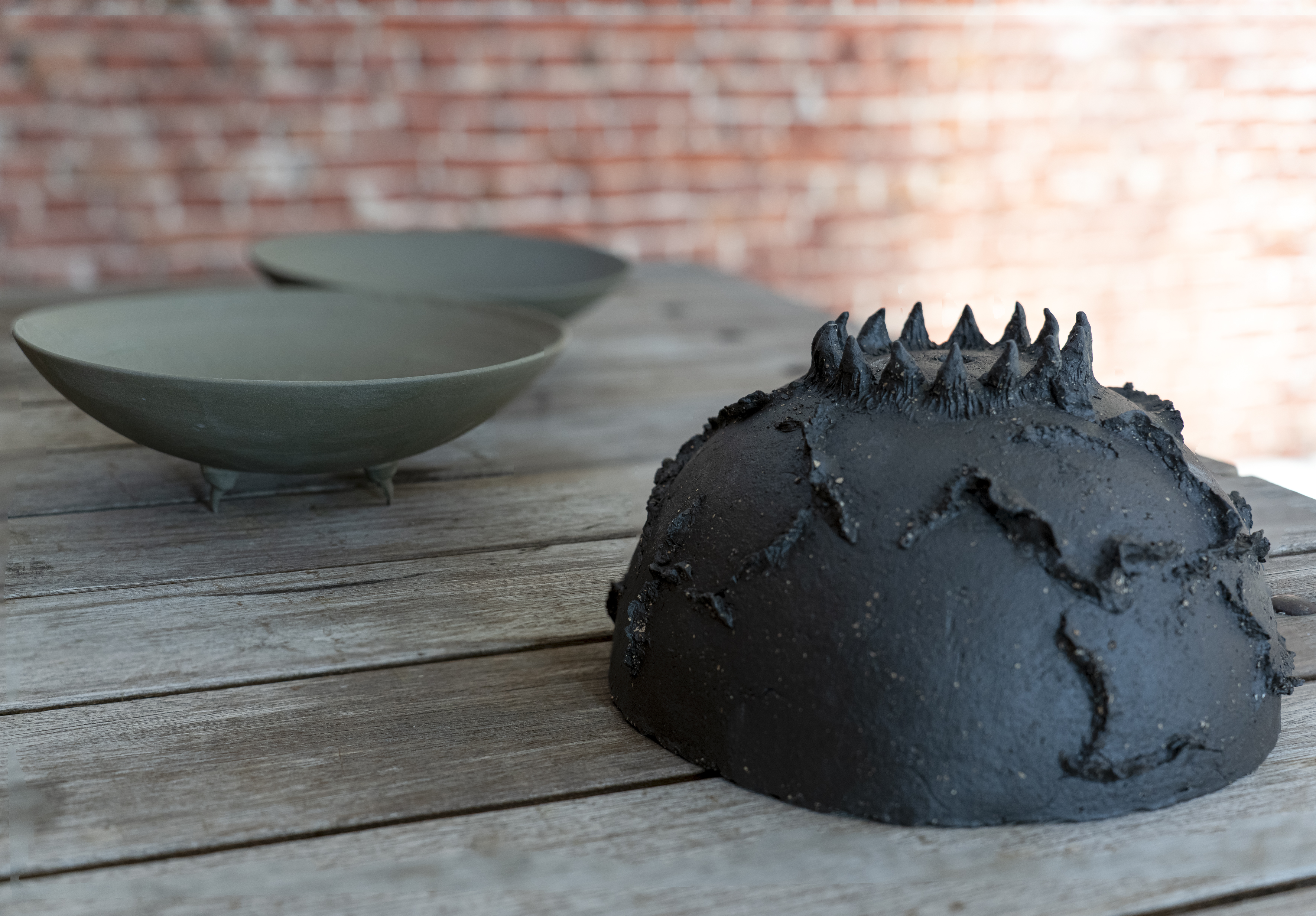
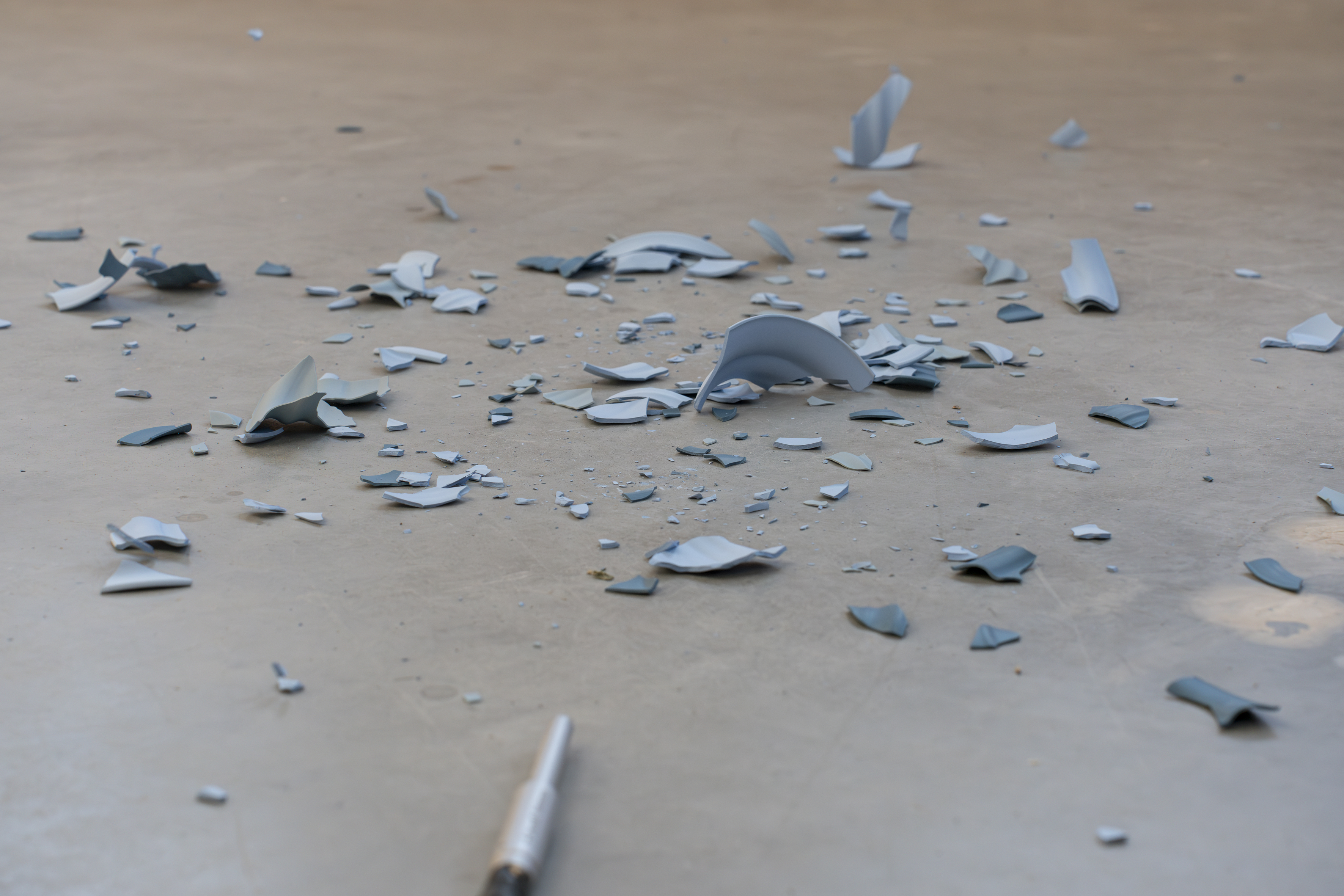
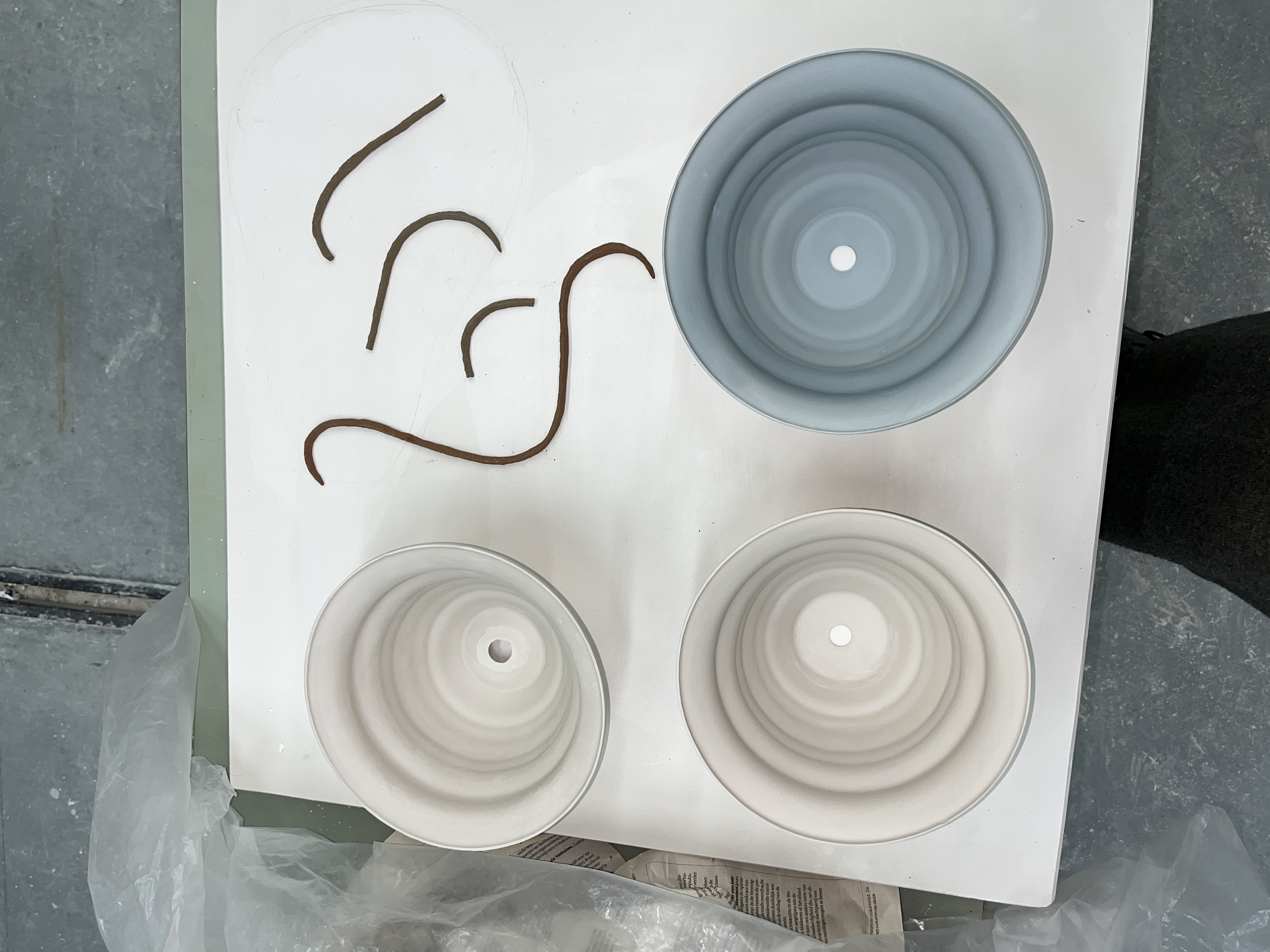
During the residency, I created chambers that resonated with the installation, shaped according to different temperature conditions. I recorded the cooling sounds of ceramics, as well as the breaking sounds that occurred when ceramic pieces fell during firing of different temperatures. These formed the basis for a dialectical investigation into sound, ceramics, and architectural space. My research examined the nature of noise as a methodology and how it defines experimental music genres and modes of sound production. I collaborated with artists from different countries to document sound in various forms. I found that speaker cones must be fired in extremely thin forms, with careful attention to drying and mold-release timing to prevent cracking. Otherwise, deformation or demolding failure could occur. I also discovered that high-fired porcelain produced a brighter, more sustained resonance. Based on these acoustic properties, I ultimately chose to fire the ceramics at 1260°C.
I am grateful to the Ministry of Culture for supporting my participation in this program. After 3 months of residency, I found the Netherlands to be a place that values practical efficiency and methodical approaches, and the working atmosphere was positive. The EKWC’s guidance is oriented toward technical problem-solving. When it comes to artistic aesthetics, the institution takes a hands-off approach, and technicians don’t comment on what artists choose to do. Everything is up to you, and the team will help you realize your goals. English communication is essential, not in terms of advanced vocabulary, but in being able to clearly articulate the issues you need to resolve.
Author: Hung Tzu-ni
Edited: Brix