Yen Tzu Chang
Yen Tzu Chang is a Taiwanese new media artist, director, and sound artist. Her work blends artistic creation with philosophical and scientific thinking to explore the essence of life. She often incorporates the concept of “play” into her practice, using it as a framework to highlight participant interaction and an artist’s role and state in their work. Chang’s artworks integrate art, programming, and diverse media technologies, in the form of sound installations, interdisciplinary materials, DIY ready-mades, and tech-inspired experimental performances. The artist has presented her works at various international conferences and music festivals, and continues to develop new projects and productions.
- Location Spain / Barcelona
- Year of the Grant 2023
- Residency Hangar
- Personal Website Yen Tzu Chang's Personal Website
[Residency Motivation & Connection]
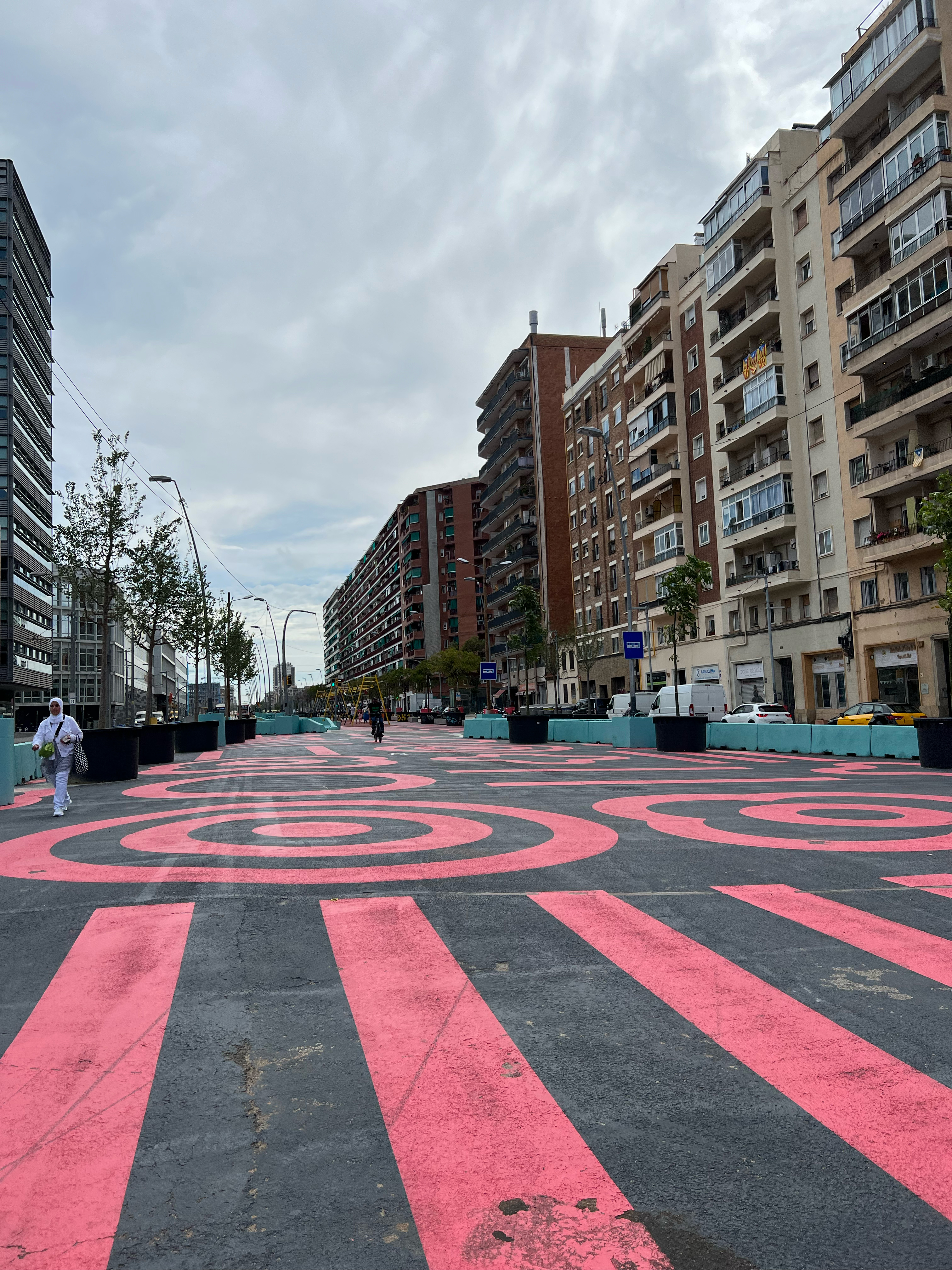
During my previous studies in Austria, I had a brief opportunity to visit Hangar in Barcelona. I was struck by the city’s vibrant, liberal atmosphere and the unique ways art is expressed here. 2 reasons led me to apply for a residency at Hangar: first, to gain a deeper understanding of the local artistic sphere and cultural character; and second, Hangar’s long-standing dedication to sound art resonates deeply with my artistic practice.
[Residency Environment & Institution]
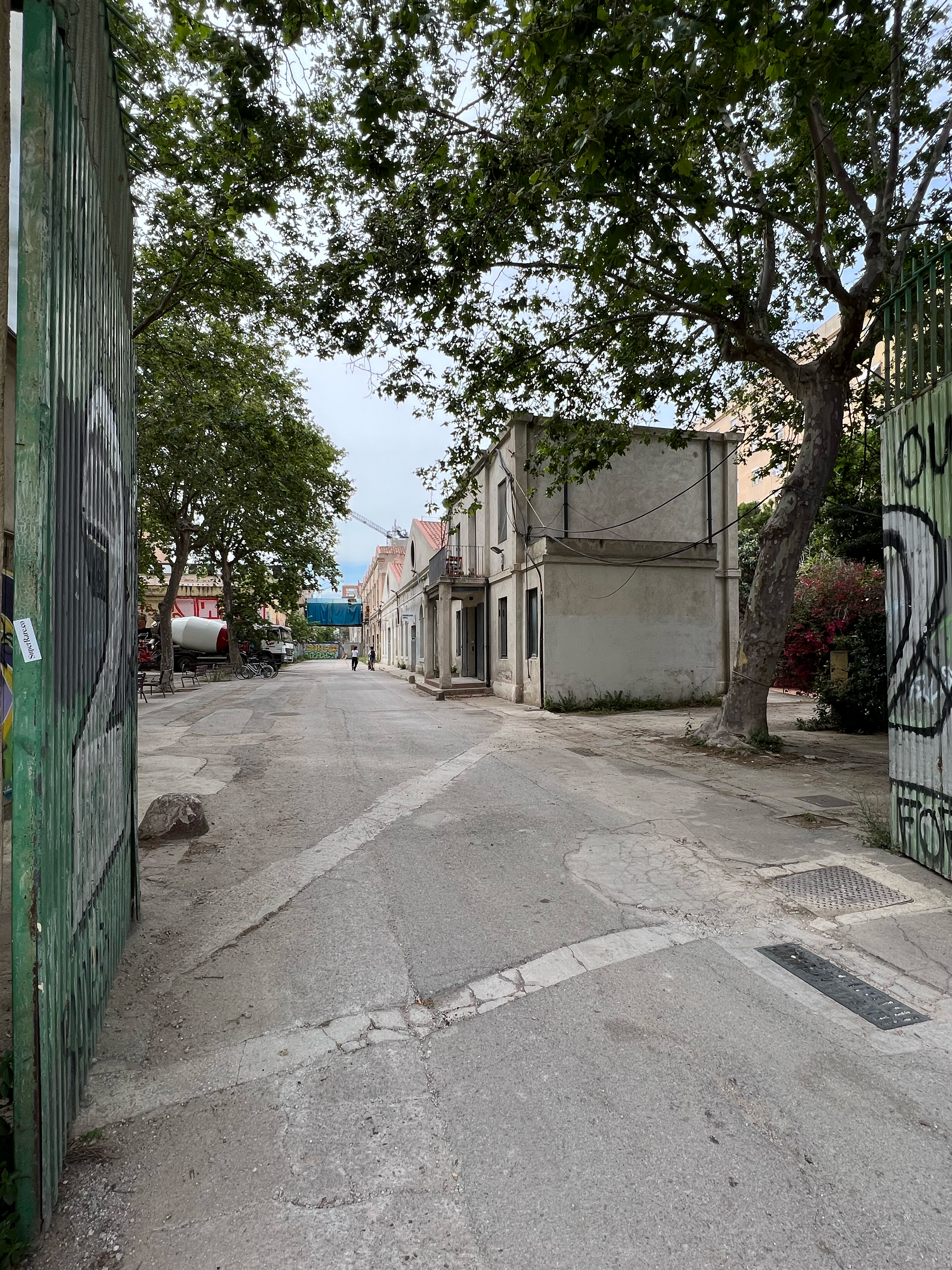
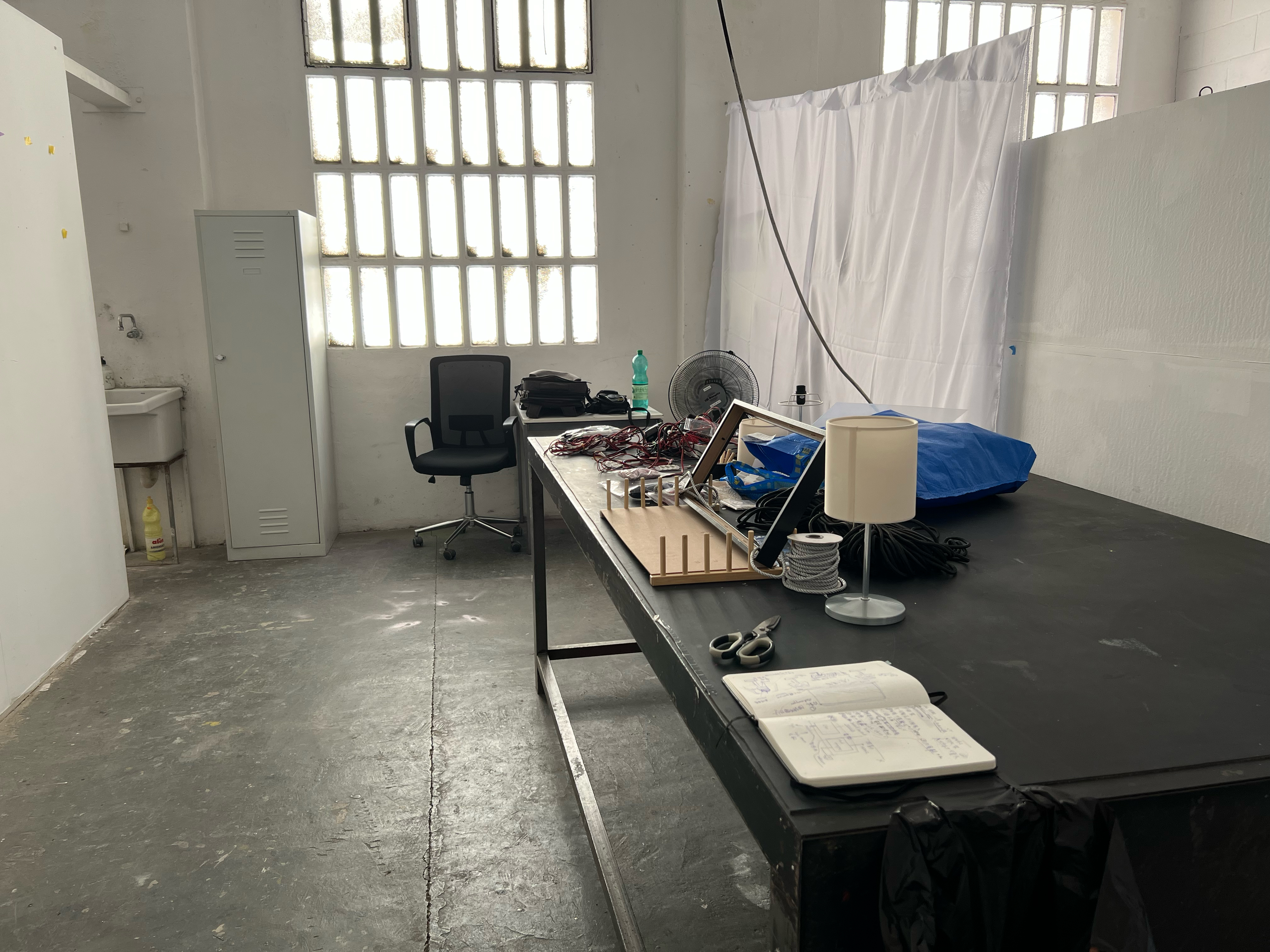
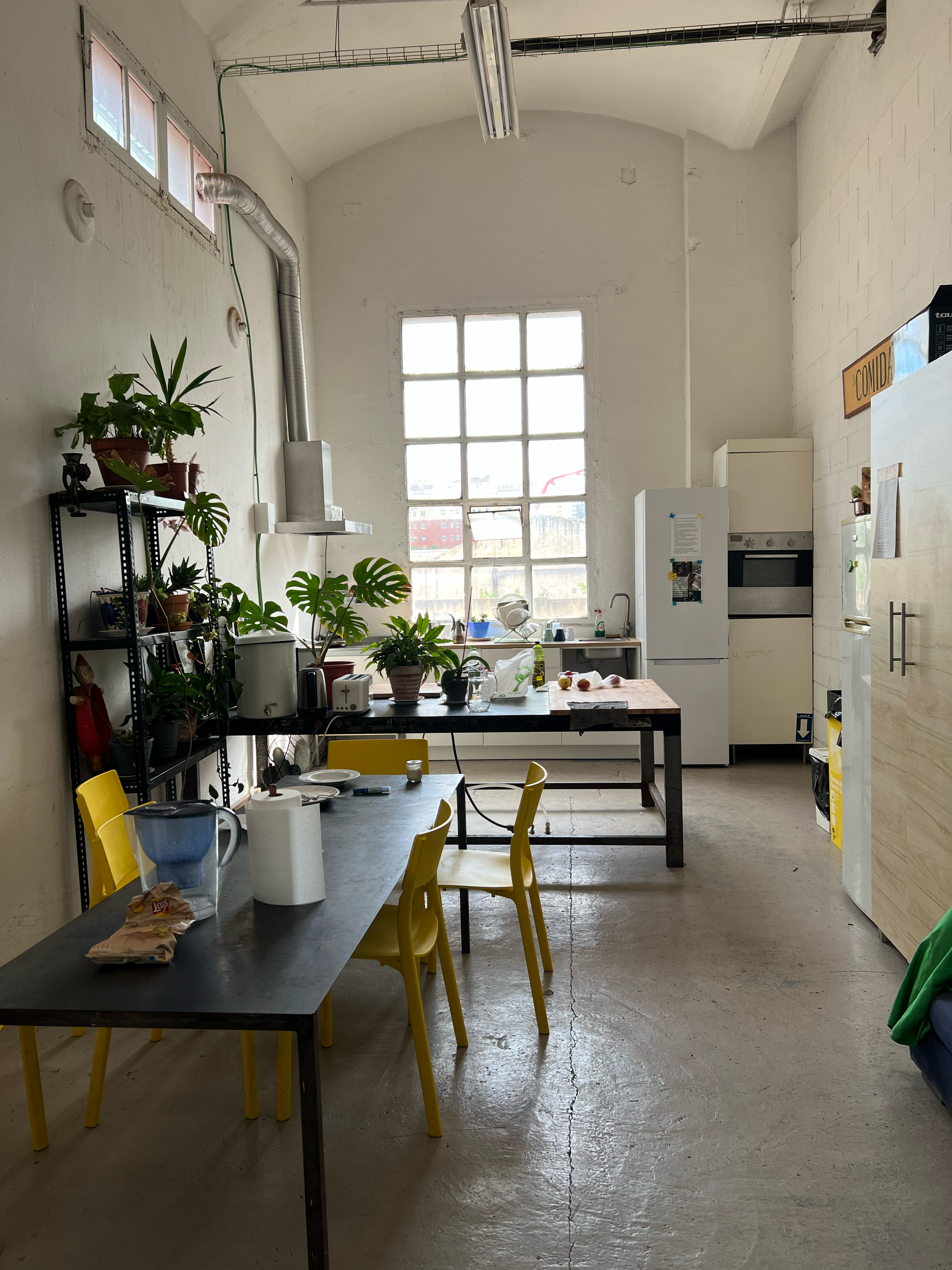
Hangar is located in a quiet residential neighborhood, away from tourist destinations. The institution’s facility includes living quarters for artists, offices, event spaces, workshops, and studios. At the start of the residency, a project manager meets with the artist to provide day-to-day assistance and share information about local art and cultural events. While the schedule is largely self-directed, there are regular meetings and residency presentations that artists are required to attend.
[Artwork Development & Exchange]
During the residency, I developed an experimental sound installation on the theme of knots. Historically, knots have been used as record-keeping tools, such as the quipu system of the ancient Inca Empire, knot-based notation in early Chinese antiquity, and methods used by indigenous communities in Taiwan to document genealogies. My work reimagines this ancient form of recording as a medium for capturing and performing sound.
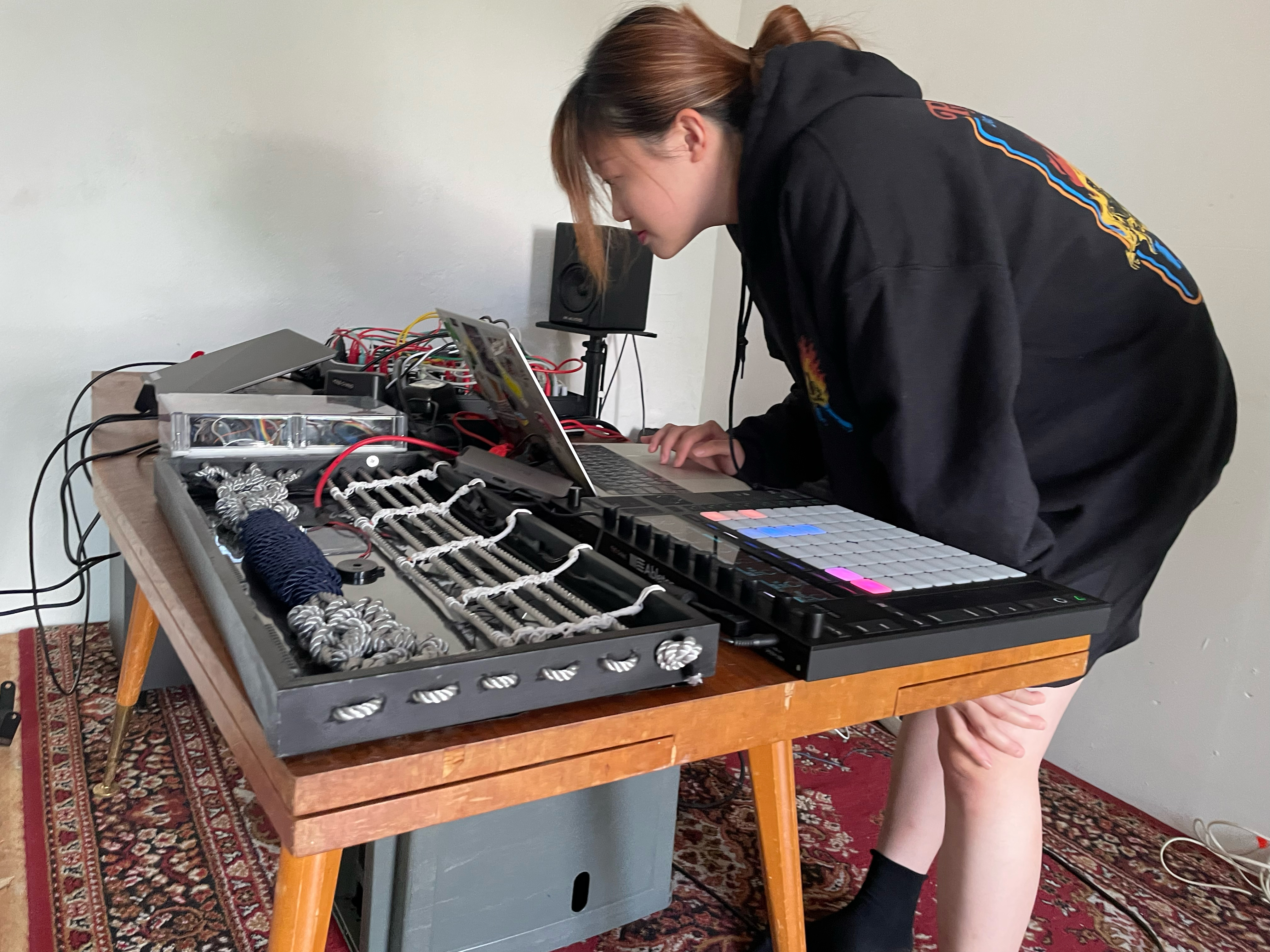
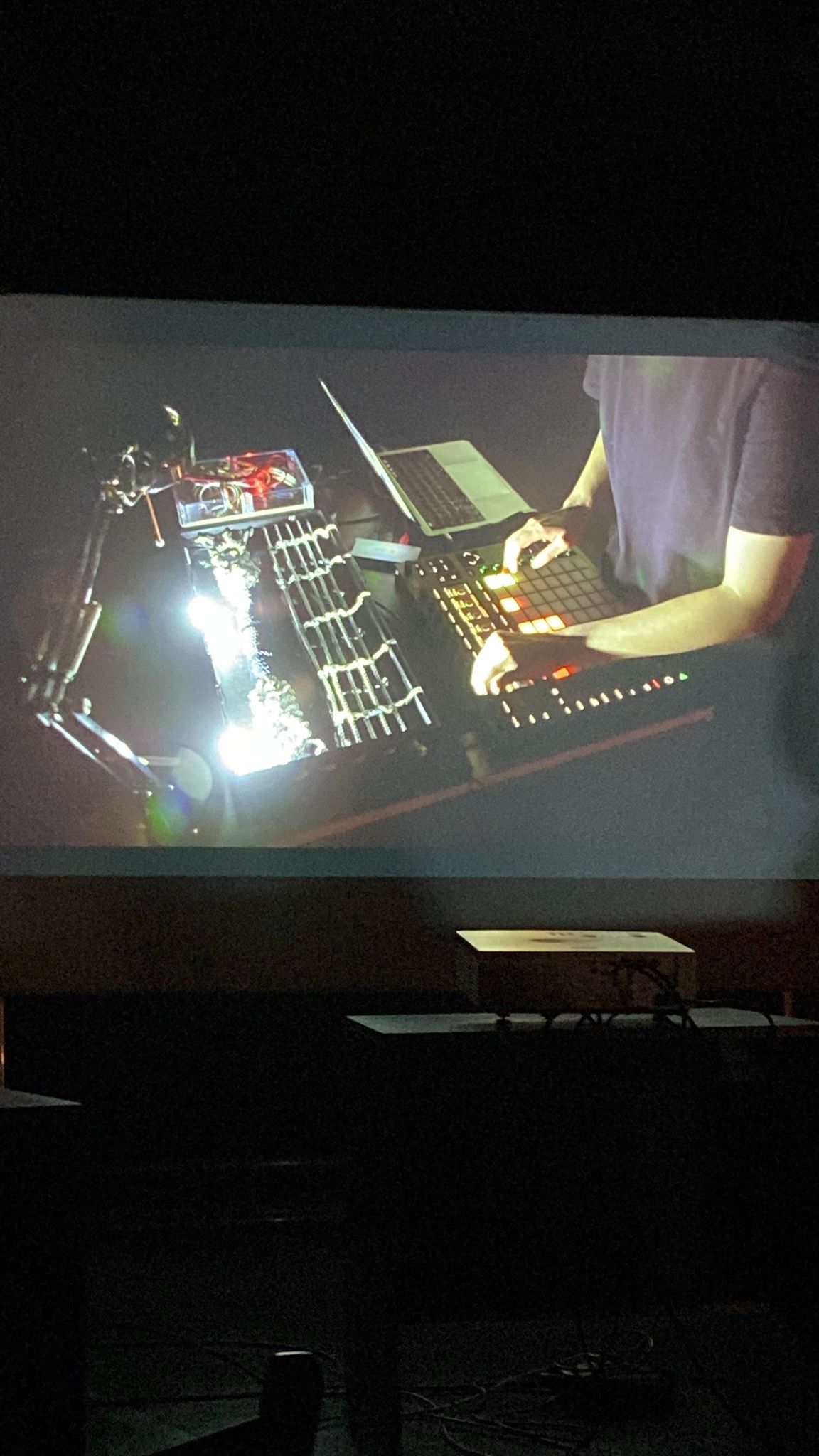
The piece is built in a black wooden frame, where cords are interwoven with embedded pressure sensors and light-dependent resistors. Twisting or pressing the cords alters the sound, while shifts in light and shadow trigger further interactions. The audio material incorporates field recordings from Taiwan and Barcelona, including the ambient sounds of Taiwanese streets and the fireworks from Barcelona’s festivals, allowing audiences to experience Taiwan through sound.
[Final Presentation]
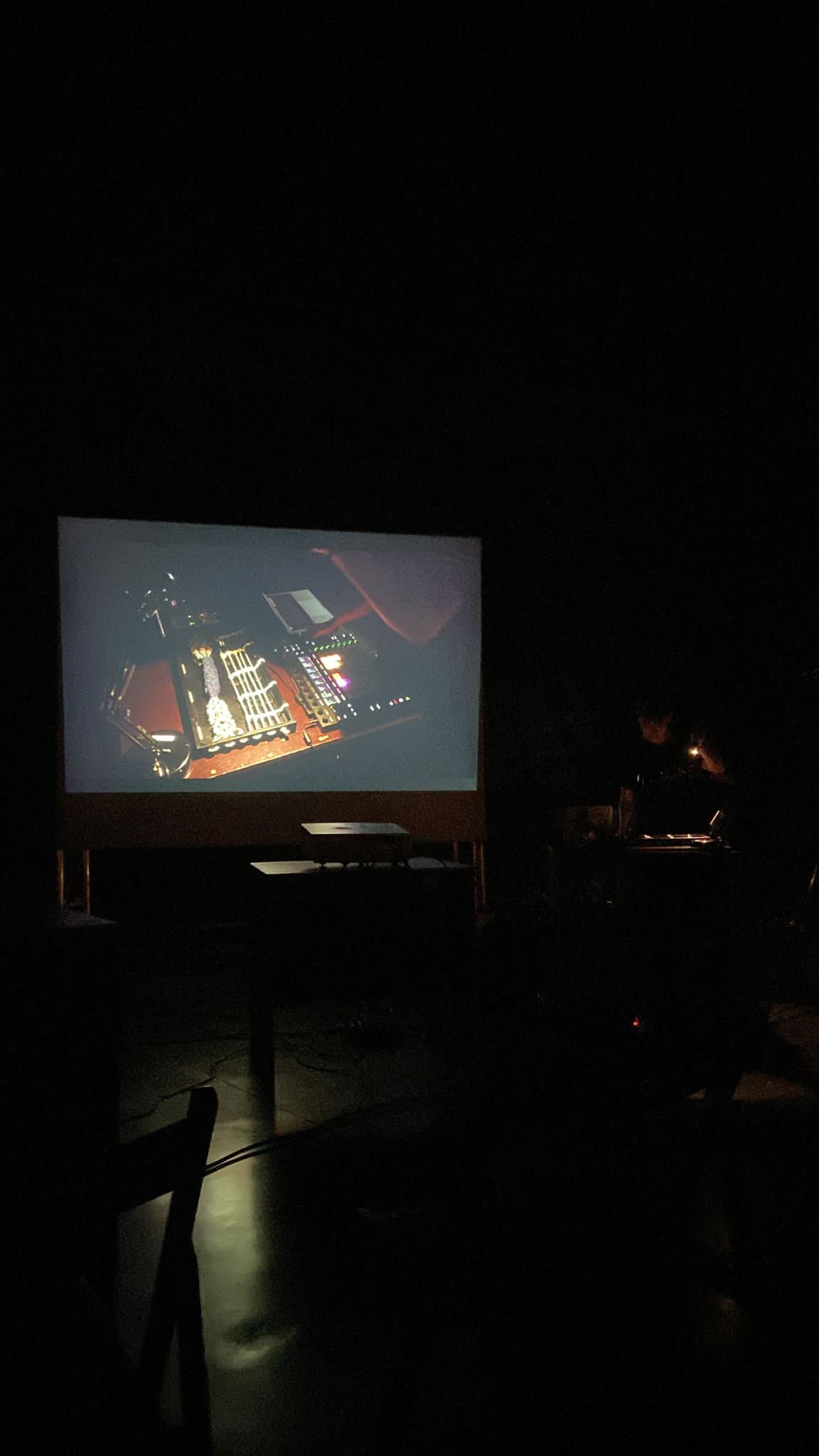
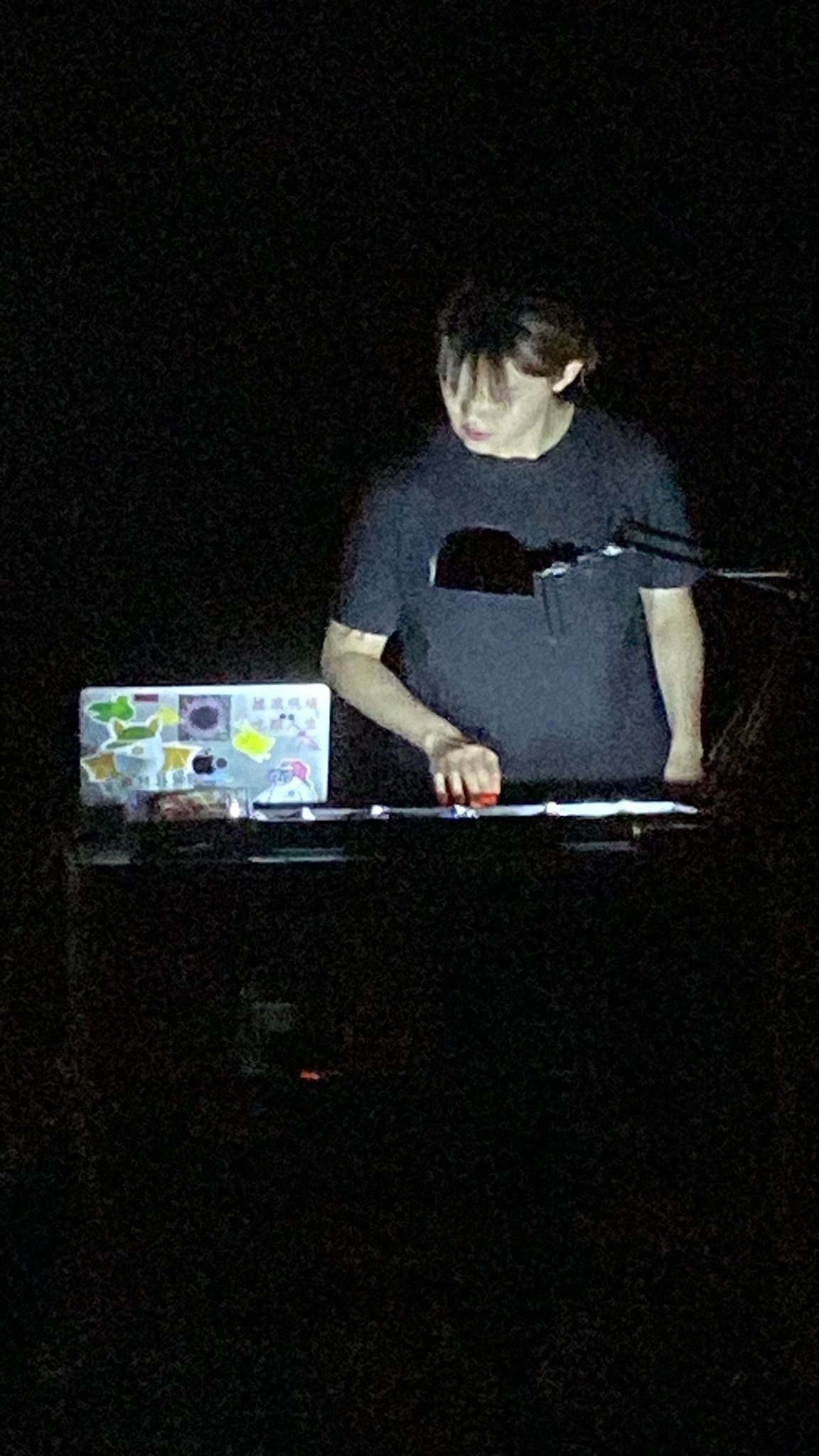
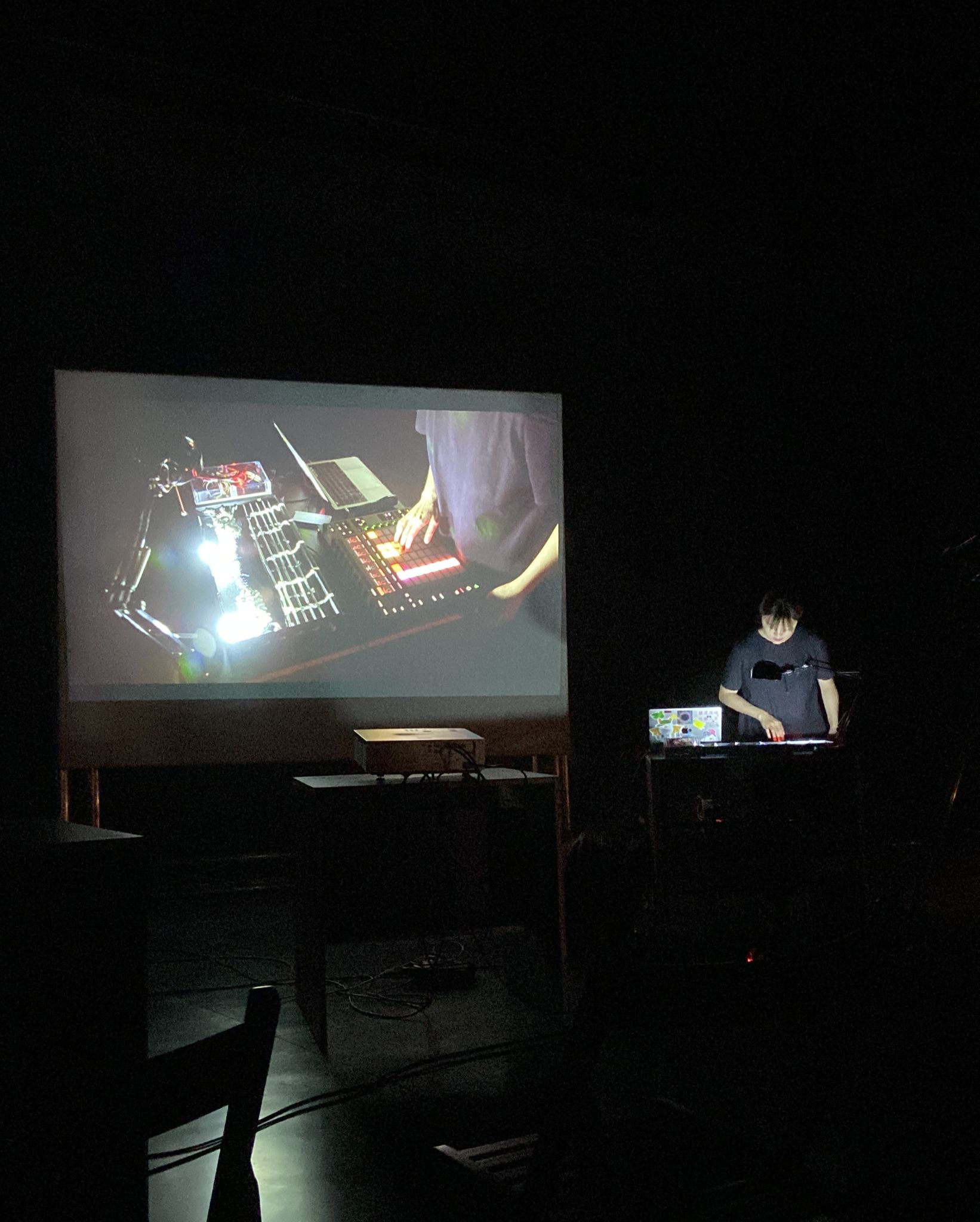
My residency work was presented at Paratext in Hangar through a 5-minute live demonstration and a 10-minute artist talk. Afterwards, I was invited to join the Subtropical Oscillations II European tour organized by the Lacking Sound Festival in Weimar, Berlin, Cologne, and London.
Throughout the tour, I developed a deeper relationship with the work, while delving deeply into each venue’s unique acoustic qualities. For instance, the long reverberation in Cologne’s St. Gertrud Church created a vastly different acoustic environment from the mid- to high-frequency boost at Berlin’s Villa Kuriosum. Thus, I had to adjust the performance content to respond to each space.
[Cultural Exchange]
During the residency, I got to know members of the local artistic community, including lighting artist and sound artist Arnau, as well as artist duo Lolo & Sosaku. Through them, I was introduced to Barcelona’s Japanese creative circle, which helped expand my international network and open up possibilities for future collaboration.
These exchanges not only broadened my connections but also allowed me to better understand the local artistic and cultural atmosphere. They even led to new ideas for collaboration with fellow artists. The residency experience made me realize that sometimes it’s the unexpected and chance encounters that spark the greatest inspiration and growth in creative practice and exchange.
Author: Yen Tzu Chang
Edited: Brix